Among Almond Trees and Platbands (“platibandas”): A Scenic Drive through Tavira’s Hinterland

Just a short drive inland from Tavira lies a patchwork of orchards, whitewashed villages, and winding roads where history and rural life meet. This gentle journey takes you through Santo Estêvão and Santa Catarina da Fonte do Bispo , showcasing the Algarve’s timeless charm — from decorated façades to old wells and olive oil traditions.

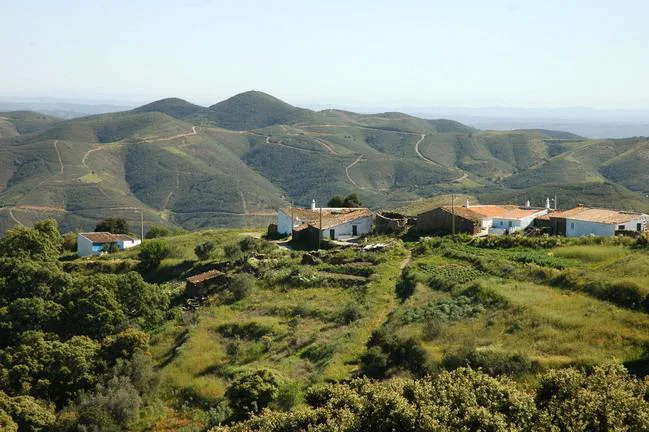
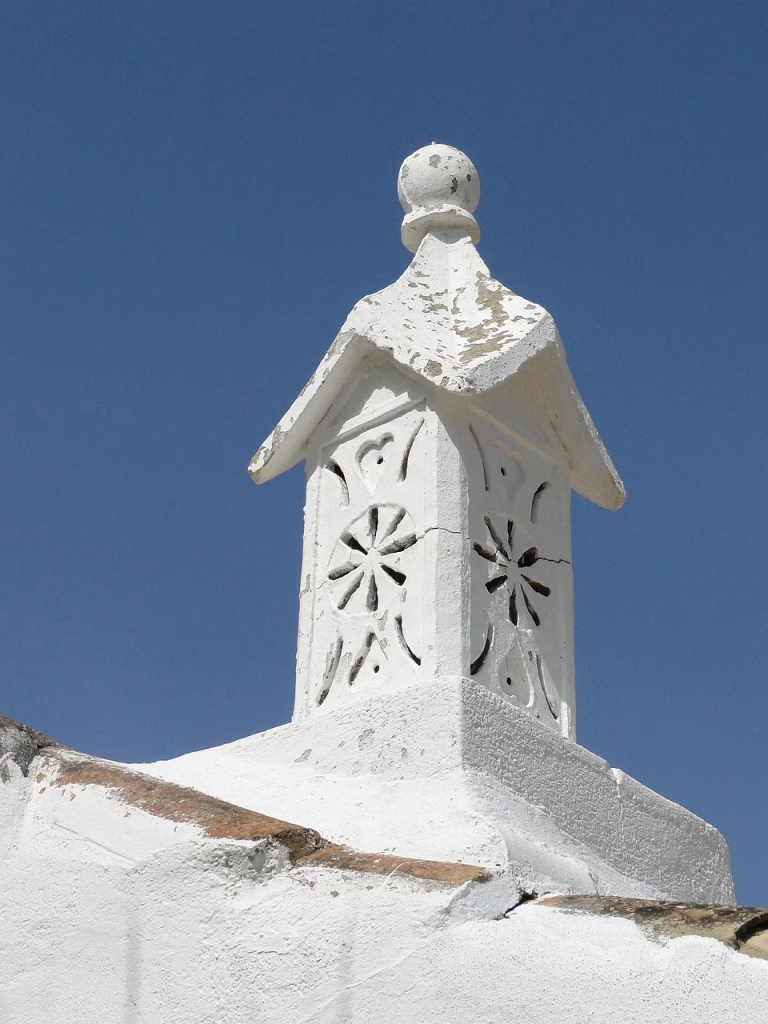
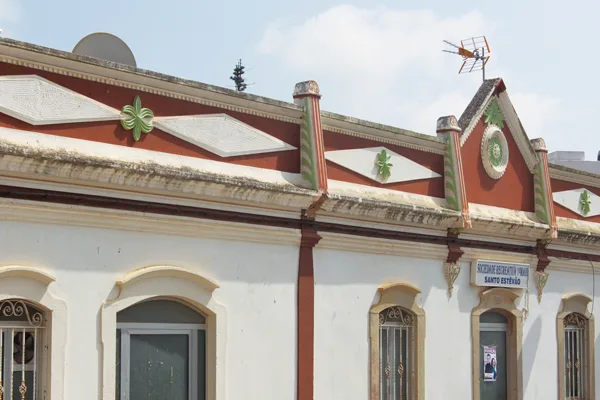
Start your drive from the Rotunda da Vela on the N125 and take the road towards Santo Estêvão . The landscape soon shifts to dry orchards with carob, olive, and almond trees , typical of the region’s barrocal zone. As you approach the village, stop to explore the Main Church of Santo Estêvão , a serene 18th-century structure built upon a medieval chapel. Inside, you’ll find baroque altar pieces and a handful of 17th-century tombstones — a quiet testament to centuries of rural devotion. Around the church square, take time to admire the elegant platbands , the decorative cornices above windows and doors, often unique to each house and handcrafted by artisans of another era.

From here, follow the signs to Santa Catarina da Fonte do Bispo , a village nestled among hills dotted with fig trees and old terraced fields. On your way, you may spot tile workshops and olive groves that once powered the region’s rural economy. In the village, visit the Museum of the Cooperativa Agrícola , which preserves a historic olive press and offers insight into the area’s long tradition of oil production. The Main Church , with Manueline and Baroque features, houses a dramatic “Last Judgement” painting inside its cool stone walls.

For a deeper connection to the land, take one of the rural detours toward upland hamlets like Alcaria do Cume , the highest point in the Tavira municipality. The surrounding views stretch across hills and orchards, offering a different side of the Algarve — quiet, authentic, and steeped in tradition. Several of these side roads lead to picnic parks in forested clearings, perfect for a pause surrounded by nature.

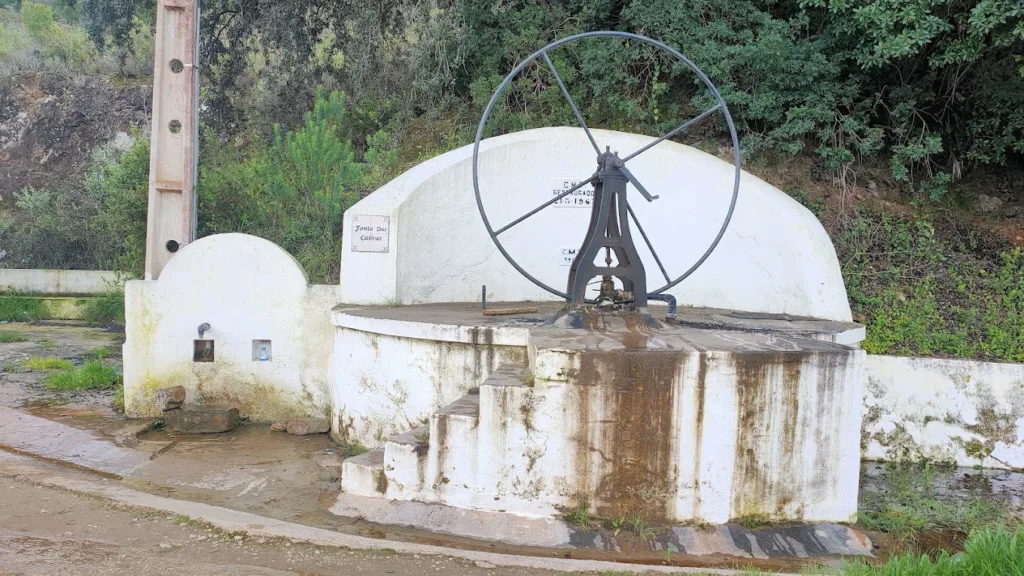
Back on the main road, your route can circle through Fonte das Cabras , a stone spring with crystal-clear water that has never dried up, even in drought years. Follow the flow of the Gilão River , whose waters wind through orange groves and fig orchards on their way to Tavira, offering a tranquil end to this rural excursion.

Whether you’re after quiet churches, agricultural heritage, or just the soothing rhythm of countryside roads, this loop through the hills and valleys north of Tavira makes for an enriching half-day trip.
From Tavira to the Hills: Hiking the Algarve’s Hidden Trails

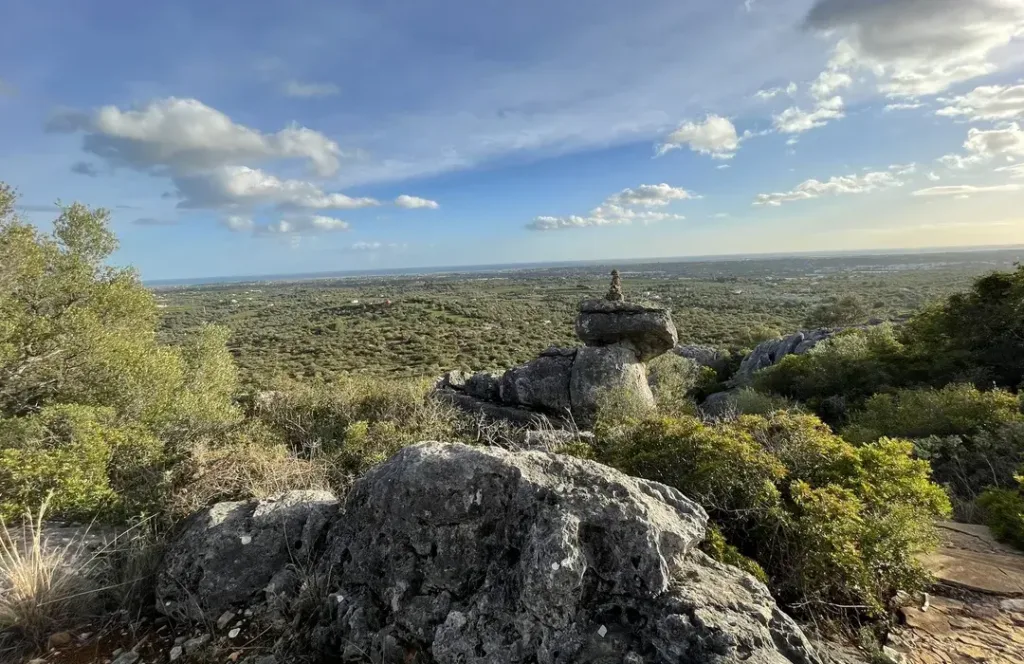
Just a short drive inland from Tavira, the landscape transforms into rolling hills, dense cork oak forests, and traditional whitewashed villages. This is the Serra do Caldeirão , a mountain range that forms the natural border between the Algarve and the Alentejo regions. Despite its modest altitude, with peaks like Pelados reaching up to 598 meters, the area offers a rich tapestry of biodiversity and cultural heritage.

Nature and Trails

The Serra do Caldeirão is a haven for hikers and nature enthusiasts. Trails wind through cork oak groves, heather-covered slopes, and alongside clear streams. The region’s schist and greywacke soils support a variety of flora, including wild lavender and cistus.

Starting points like the village of Parises or areas near Cachopo provide access to well-marked trails. These routes offer panoramic views and a chance to experience the tranquility of the Algarve’s interior.

Navigating the Trails

Given the remote nature of the Serra do Caldeirão, it’s advisable to use navigation apps like Komoot , AllTrails , or Wikiloc . These platforms offer GPS tracks and user reviews to help you plan your hike. Always carry sufficient water, wear sturdy footwear, and inform someone of your planned route.

Cerro da Cabeça

For those interested in exploring the Cerro da Cabeça , it’s a separate destination located near Moncarapacho. This limestone hill, part of the Serra de Monte Figo, offers its own unique hiking experiences and geological features.

Whether you’re seeking the rugged trails of the Serra do Caldeirão or the distinctive landscapes of the Cerro da Cabeça, the Algarve’s diverse terrain provides ample opportunities for outdoor adventure.

The Salt Pans of Tavira: A Timeless Tradition Shaped by the Sea

Just beyond the town walls and coastal dunes, the salt pans of Tavira stretch out like shimmering mirrors. These historic salt flats are more than a picturesque backdrop — they are part of an age-old tradition that has shaped the local economy and landscape for centuries.

Salt production in Tavira dates back to Roman and Moorish times. The region’s abundant sunshine, shallow lagoons, and favorable winds made it ideal for harvesting sea salt, a process still largely done by hand. Tavira’s flor de sal, the delicate top layer of salt crystals, is highly prized by chefs and gourmet shops across Europe.

Today, the salt pans are not only an important economic activity but also a haven for birdlife and a place of tranquility. Walking through the salt flats can feel like wandering a maze of quiet, sun-soaked paths between shallow pools. The best time to witness salt harvesting is during the hot summer months, from June to September , when workers scrape the salt by hand from the evaporating basins. They usually don’t like to be photographed, though so please mind their privacy.

Walking Routes and Navigation

The salt pan area can be disorienting for first-time visitors, with its crisscrossing levees and water channels. To navigate more easily, we recommend using walking apps like Komoot or AllTrails , which provide user-mapped gravel paths and loop routes. Google Maps works as well but can miss the finer details of smaller walking trails.

For a walk directly from Taste Tavira AL , try heading southeast via Fonte Salgada , just past the local fire station (Bombeiros), and follow the gravel trails along the Ecovia Litoral. It’s a peaceful and scenic route — especially in the early morning or around sunset.

Salinas do Grelha & the Algarve’s “Dead Sea”

For a deeper dive into the world of salt, consider visiting the Salinas do Grelha , located near Olhão. This small-scale artisanal producer offers guided tours of their working salt pans. One of their most unique features is the “Mar Morto” — a man-made saltwater lagoon with salinity levels similar to the real Dead Sea. Visitors are welcome to float, relax, and enjoy the health benefits of the highly concentrated saltwater.

Salinas do Grelha – Visitor Info:

  • 📍 Address : Cova da Onça – Belamandil, Cx. Postal 412A, 8700-172 Olhão
  • 📞 Phone/WhatsApp : +351 967 753 496
  • 🌐 Website : www.salinasdogrelha.pt

Tours are available during the high season, and floating in the saltwater lagoon is possible by appointment. The best time to visit is late afternoon, when the setting sun paints the flats in golden tones.


Whether you’re a lover of history, a curious foodie, or simply seeking a peaceful walk through a unique coastal landscape, Tavira’s salt pans offer a window into one of the Algarve’s most enduring traditions — and a reminder of the quiet beauty found in slow, deliberate craft.

A Moorish Legacy: Walking Through Tavira’s Hidden Islamic Heritage

Start your journey right from the doorstep of Taste Tavira AL and step back in time through the winding streets of Tavira, where the city’s Moorish past lingers in its architecture, urban design, and cultural symbols. Though more than seven centuries have passed since the Christian reconquest of 1242, the legacy of al-Andalus remains etched into the soul of this peaceful Algarve town.

A Descent Through Time

Begin your walk down Rua Manuel Virgínio Pires , a quiet residential lane that descends gently toward the railway underpass. Passing the Bombeiros Voluntários , you enter a lesser-traveled route into the heart of Tavira’s old town — one that avoids the traffic and invites a slower pace, perfect for spotting architectural clues from the past.

Here, whitewashed houses with flat, cubic roofs, modest patios, and high-walled privacy evoke building styles inherited from Moorish settlers. These forms, brought over from North Africa and adapted for the Iberian climate, still shape the visual identity of Tavira today.

Winding Streets and Ancient Layouts

Continue through Rua da Liberdade and Rua José Pires Padinha , two sinuous streets that reflect the labyrinthine layout typical of Islamic cities. Narrow, shaded, and pedestrian-friendly (except on high heals), they recall a time before urban grids — when shade and proximity were more important than carriages and symmetry.

Many of the facades may have changed, but the skeleton of the Moorish medina remains: small-scale buildings huddled close together, protecting against the sun and inviting neighbors to linger and talk.

Echoes in Details: Arches, Tiles, and Twin Chimneys

Climb gently toward the Igreja da Misericórdia and Castelo de Tavira , and observe the horseshoe arches , azulejos with geometric patterns, and ornamental tilework reminiscent of Islamic craftsmanship. Many of Tavira’s chimneys — especially the iconic twin chimneys — may also trace their form back to North African influences, blending beauty with function.

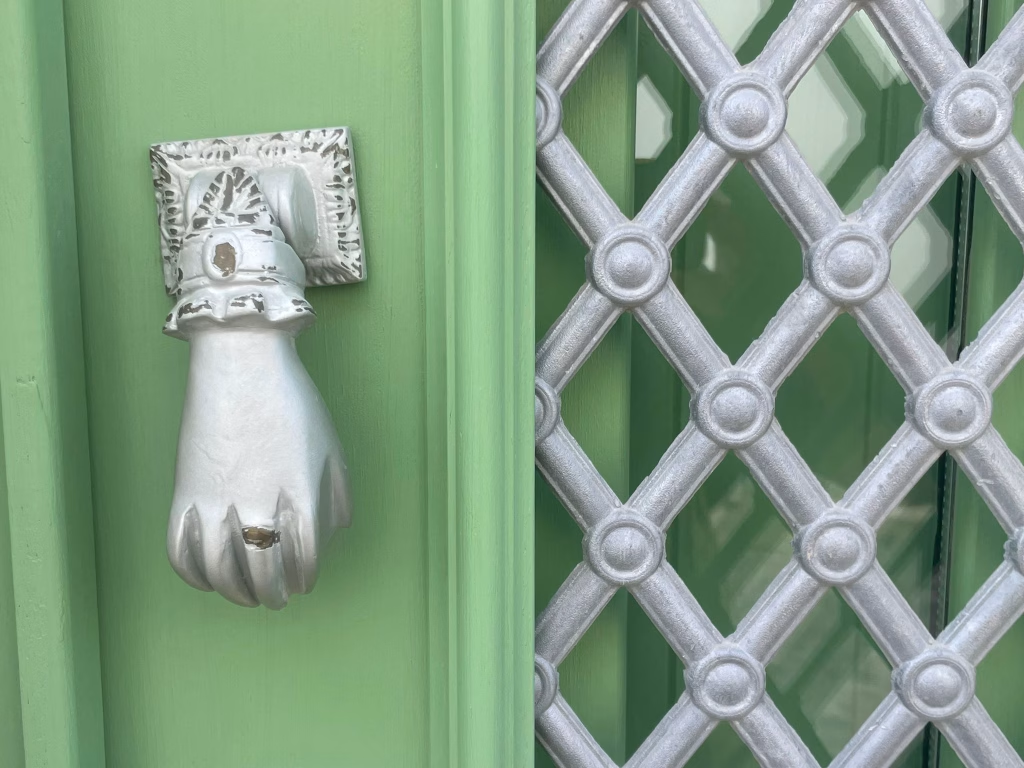
In artisan shops or private doorways, you may also spot the Hand of Fatima (Mão de Fátima or Hamsa): a symbolic palm-shaped amulet said to protect homes from harm. This enduring symbol, shared by both Islamic and Sephardic Jewish traditions, reflects the spiritual tapestry of the Algarve.

The Bridge That Connects Eras

Eventually, your route brings you to Tavira’s iconic bridge over the Gilão River . Though commonly referred to as the “Roman Bridge,” most scholars agree it was built or extensively rebuilt during the Moorish period , possibly on earlier Roman foundations. With its seven arches and elegant stone construction, the bridge connects not only the two sides of the town — but also the layered epochs of its history.

Whether Roman in origin or Islamic in spirit, it remains one of Tavira’s most poetic landmarks: a perfect spot to pause, take in the view, and reflect on the town’s rich and overlapping identities.

End at the Islamic Museum: A Deeper Dive into History

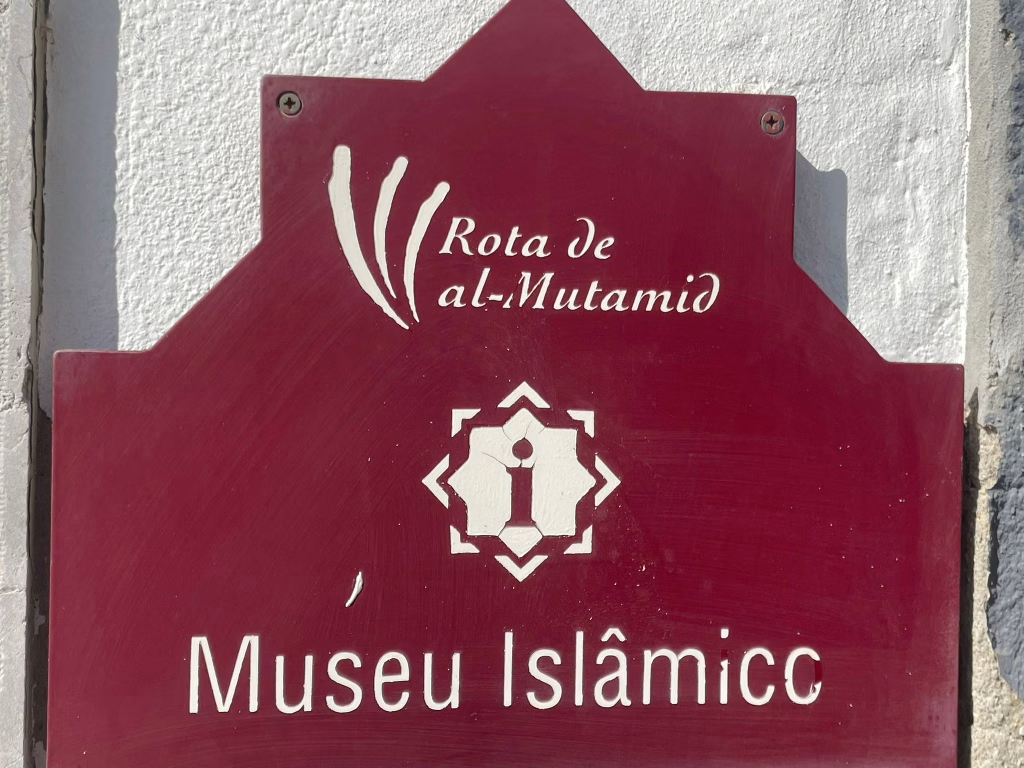
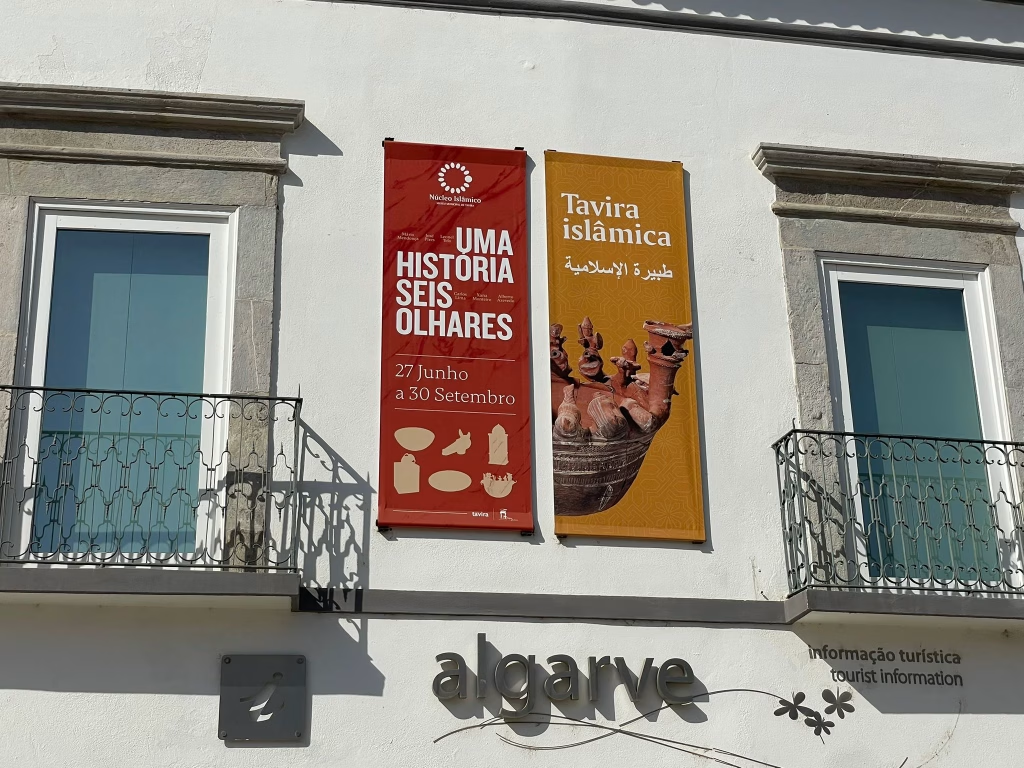
Conclude your walk with a visit to the Islamic Museum of Tavira . This museum showcases artifacts from the period of Moorish rule, including ceramics, tools, and religious objects unearthed during local excavations.

One of the highlights is the “Vaso de Tavira” , a rare 11th-century ceramic piece that may have had symbolic or ritual significance. The museum not only offers insight into daily life under Islamic rule but also contextualizes how this heritage continues to shape the Algarve’s cultural landscape.

Tavira also forms a poetic waypoint along the famed Ruta de al-Mutamid , a cultural itinerary that traces the life and legacy of the 11th-century poet-king of Seville. Though Tavira was not central to his life, its architectural and cultural echoes place it firmly within the spirit of that lost Andalusian world.