 English (UK)
 Nederlands
 Français
 Español
 Português

How the Atlantic Ocean, the Ria Formosa and the hills of the Algarve shape the summer climate
Every summer, I hear the same question from people planning a holiday in the Algarve.
Is Tavira too hot in summer?
It remains a common consideration.
However, Is Tavira too hot in summer?
Isn’t it terribly hot in July and August?
I understand why they ask.
Moreover, the summer of 2026 gave Europe reasons to worry about heat.
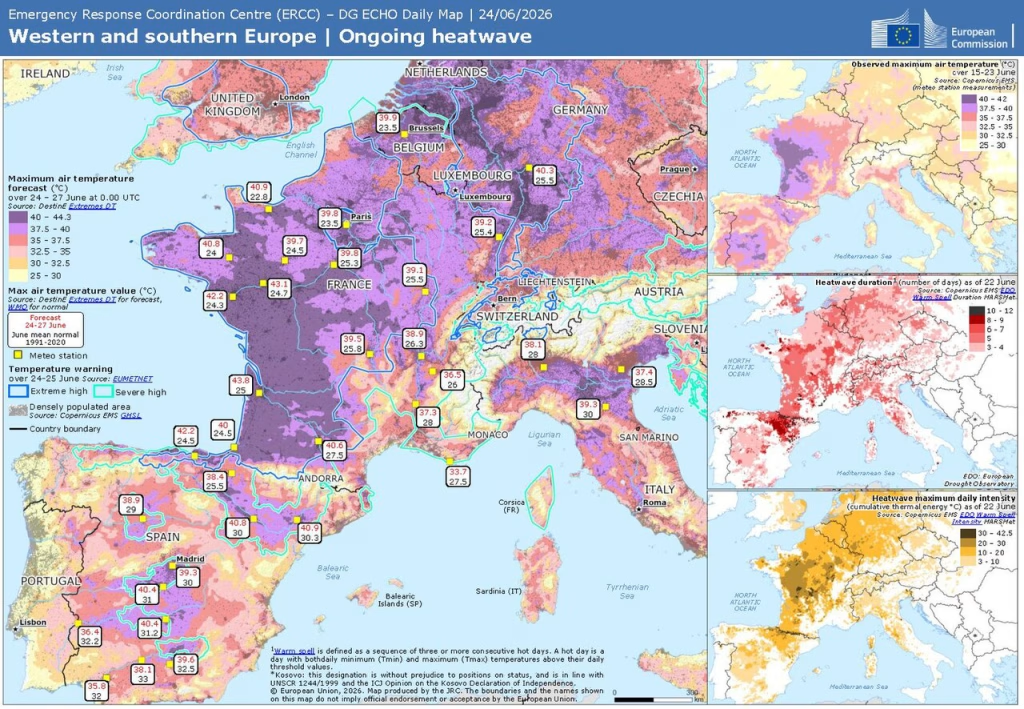
From the end of June, a major heatwave swept across Western Europe.
Is Tavira too hot in summer? France, Spain, Germany, the Netherlands and parts of Central Europe all experienced extreme temperatures.
In several places, temperatures rose above 40°C. France recorded highs of up to 43.8°C. Bilbao in northern Spain reached 42.7°C, a June record for the city.
It was a summer that reminded us how important location can be when choosing a holiday destination.
And this is where Tavira becomes interesting.
Tavira lies in the far south of Portugal, close to the Spanish border. Yet its coastal location gives it a different summer climate from many inland destinations in southern Europe.
The Atlantic Ocean makes a difference
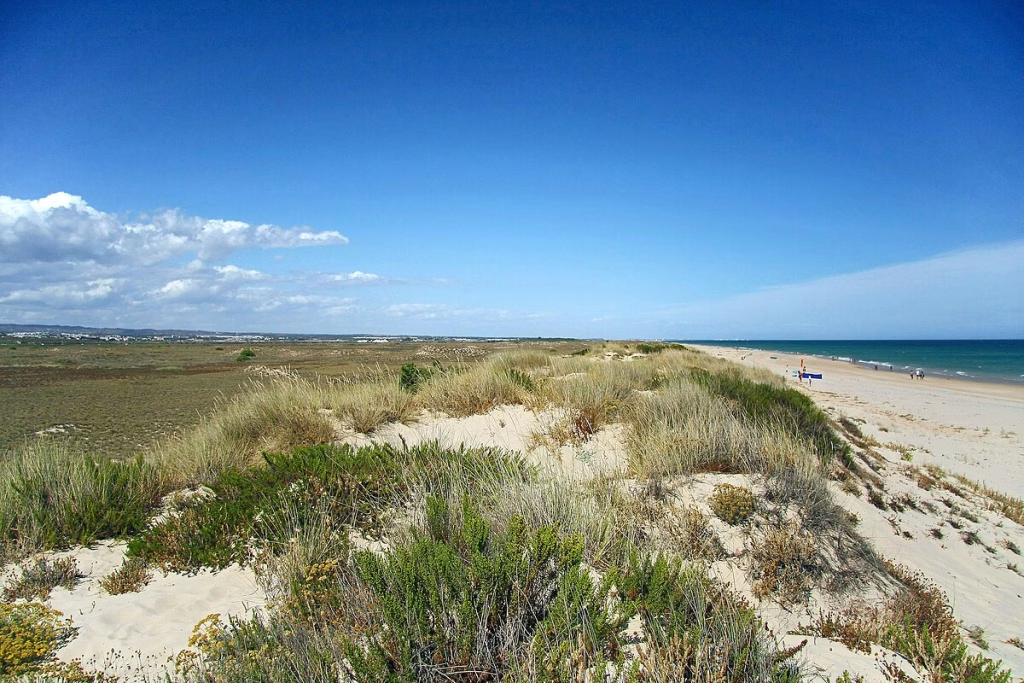
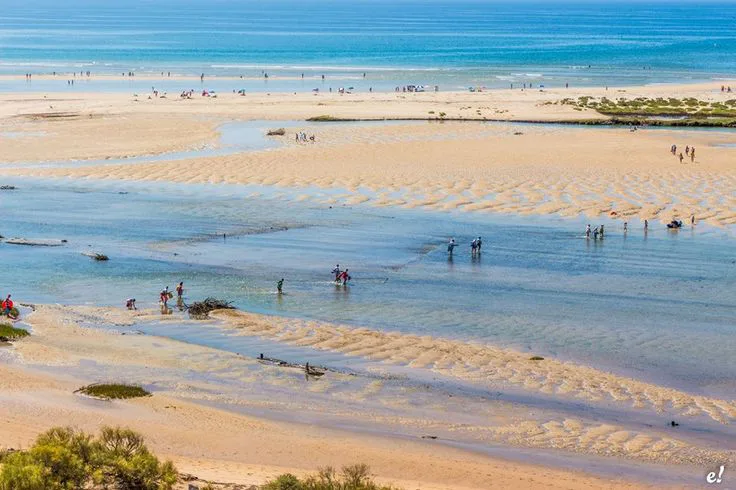
Tavira is only a few kilometres from the Atlantic Ocean. It also lies beside the beautiful Ria Formosa lagoon system.
The sea has a strong influence on the local climate.
Seawater warms up and cools down more slowly than land. This helps keep coastal temperatures more moderate. During summer, sea breezes can also bring welcome relief, especially in the afternoon.
You notice this in everyday life.
A summer afternoon in Tavira can be warm, sometimes very warm. But there is often a gentle breeze from the coast. Walk towards the Ria Formosa or the nearby beaches, and you may feel the difference.
This is one reason why the coastal Algarve can feel so different from places further inland.
Of course, the Atlantic cannot prevent every heatwave. Hot air from inland Portugal or North Africa can also reach Tavira. When the wind comes from the interior, the cooling effect of the sea may be weaker.
Even so, the Atlantic helps shape a more moderate coastal climate.
The hills create a different climate
There is another interesting feature of the eastern Algarve.
Look north from Tavira and you will see the landscape rising towards the Serra do Caldeirão.
The Algarve is not just a flat coastline. It has several distinct landscapes. Each has its own climate.
The coast around Tavira feels the influence of the Atlantic and the Ria Formosa. Further inland, the landscape becomes drier and more continental.
The difference can be surprisingly noticeable.
Drive north from Tavira on a hot summer afternoon. You may see the temperature on your car display gradually rise.
The hills do not form a complete barrier against hot air. However, elevation and distance from the sea influence local temperatures.
It is fascinating how much the climate can change over such a short distance.
Tavira, Beja and Seville: three different summers
A comparison with Beja and Seville helps explain these differences.
Beja lies inland in the Alentejo. It is surrounded by wide plains and has a much more continental climate. Summers are hot and dry, with little direct influence from the Atlantic.
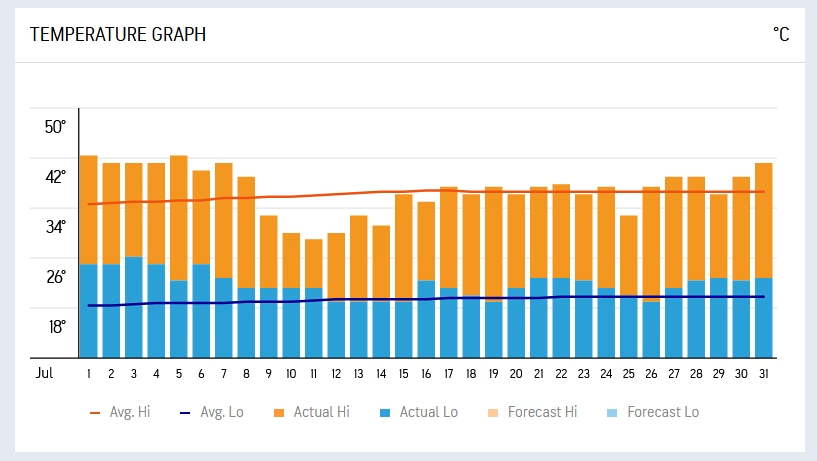
During the summer of 2026, temperatures in Beja climbed into the low 40s. Available annual weather observations show a maximum of around 42°C.
Seville, just across the Spanish border, is famous for its summer heat.
The city lies inland in the Guadalquivir valley. Temperatures regularly rise above 40°C during heatwaves. In July 2026, the average daily maximum was around 38.5°C. During particularly hot periods, temperatures climbed even higher.
Now compare these figures with Tavira.
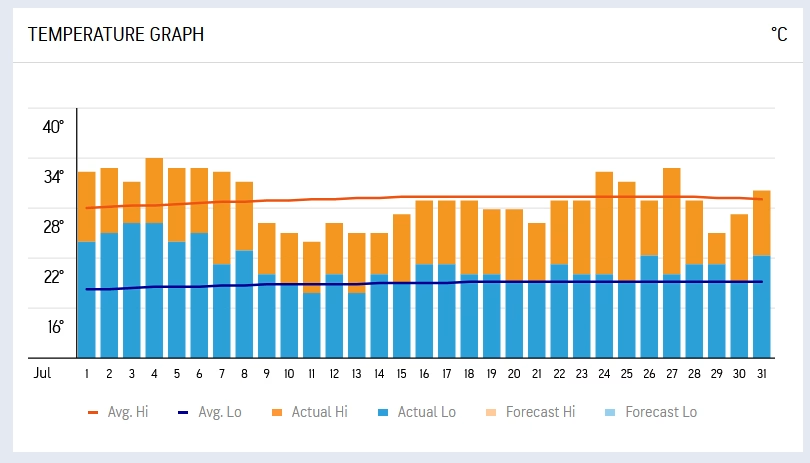
Weather archives for Tavira in 2026 show a highest daily temperature of approximately 32°C in June and 33°C in July. These are archive figures, not official all-time station records. Still, they illustrate the difference between the coast and the hotter inland regions.
The contrast is remarkable, especially when you consider how close these destinations are.
That is why I would not compare a summer holiday in Tavira with one in Seville or the Alentejo.
Is 30–33°C still not hot?
Of course it is.
The Algarve is in southern Europe, and the summer sun is strong. Even at 30°C, walking through the historic centre can feel hot.
The white walls and cobbled streets absorb and reflect the sunshine. Shade becomes very welcome, especially in the afternoon.
But there is a difference between a hot summer day and a prolonged period of extreme heat.
Many summer days in Tavira are perfect for outdoor living. The secret is to follow the natural rhythm of the day.
Mornings are lovely for exploring the historic centre. You can visit the market or enjoy a coffee on a terrace.
Around lunchtime, life slows down. Perhaps you enjoy a long lunch in the shade. Or you spend a quiet afternoon by the pool or at the beach.
Towards the end of the afternoon, Tavira comes alive again.
The light becomes softer. The temperature gradually changes. Terraces fill with people enjoying the evening.
This is one of the things I love about summer here.
What is the weather like in Tavira in July and August?
July and August are the hottest months in Tavira.
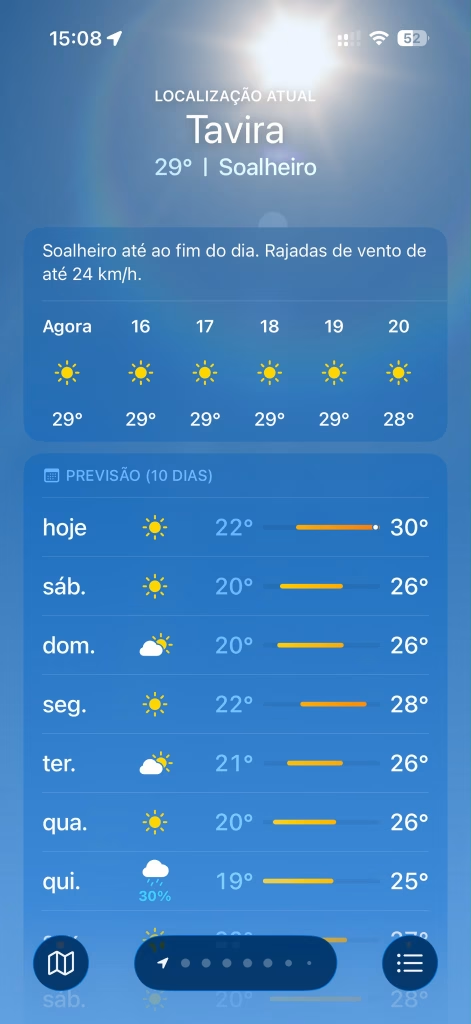
You can expect plenty of sunshine and very little rain. Daytime temperatures are generally around 30–33°C, although some days can be hotter.
During a heatwave, temperatures may rise into the upper 30s. Nights can also remain warm, especially during longer hot spells.
But the coastal location makes a difference.
When the Atlantic breeze reaches Tavira, afternoons can feel more pleasant than you might expect from the weather forecast alone.
And then there is the sea.
The beaches of Tavira Island offer a wonderful escape on a hot day. A short boat trip takes you away from the town. There, the open coastline, golden sand and sea breeze create a different atmosphere.
It is hard to imagine a better way to spend a summer afternoon.
Follow the rhythm of the Algarve
Portuguese summer life has its own natural rhythm. After spending some time here, you begin to understand it.
There is no need to rush around at two o’clock in the afternoon.
The morning is ideal for exploring. The middle of the day is for a leisurely lunch, a little shade or a visit to the beach. The evening is for walking, meeting friends and enjoying dinner outside.
Tavira is particularly lovely at this time of day.
The historic streets and little squares become lively again. People stroll along the riverfront. Restaurants welcome guests onto their terraces.
Even on a warm evening, there is something special about sitting outside with a glass of Portuguese wine. You can enjoy the last light of the day and watch the town slowly settle into the evening.
Are April/May/June and September/October better months to visit Tavira?
If you are sensitive to heat, I would certainly consider June or September.
Both months offer plenty of sunshine. Temperatures are generally a little gentler than during the height of summer.
June brings long days and the start of the summer season. September has a charm of its own. The sea is still warm from the summer, the days are sunny and the atmosphere often feels more relaxed.
July and August are wonderful too, especially if you enjoy beach life and long summer evenings. You simply need to plan your activities around the temperature.
So, is Tavira too hot in summer?
I wouldn’t say so.
The summer of 2026 reminded us how much a destination’s location matters.
Large parts of France, Spain and Central Europe experienced extraordinary heatwaves. Tavira, meanwhile, benefited from its position beside the Atlantic Ocean and the Ria Formosa.
That does not mean Tavira is immune to extreme heat. Climate change affects the whole Mediterranean region, including Portugal. Hot spells are becoming an increasingly important factor when planning a summer holiday.
Still, there is a real difference between the coastal Algarve and the inland plains of Portugal and Spain.
Perhaps that is one reason why I enjoy living here so much.
The sunshine, the sea, the changing landscape and the gentle rhythm of life all belong together.
And when the afternoon sun becomes a little too strong, there is always a shady terrace, a cool drink or a beach nearby.
Summer in Tavira isn’t about escaping the heat. It’s about discovering a different way to enjoy it.
And that, to me, is part of the charm of the eastern Algarve.
Bem-vindo to Tavira. Come and enjoy the summer.