Is Tavira Too Hot This Summer? A Fresh Eastern Algarve Experience

How the Atlantic Ocean, the Ria Formosa and the hills of the Algarve shape the summer climate

Every summer, I hear the same question from people planning a holiday in the Algarve.

Is Tavira too hot in summer?

It remains a common consideration.

However, Is Tavira too hot in summer?

Isn’t it terribly hot in July and August?

I understand why they ask.

Moreover, the summer of 2026 gave Europe reasons to worry about heat.

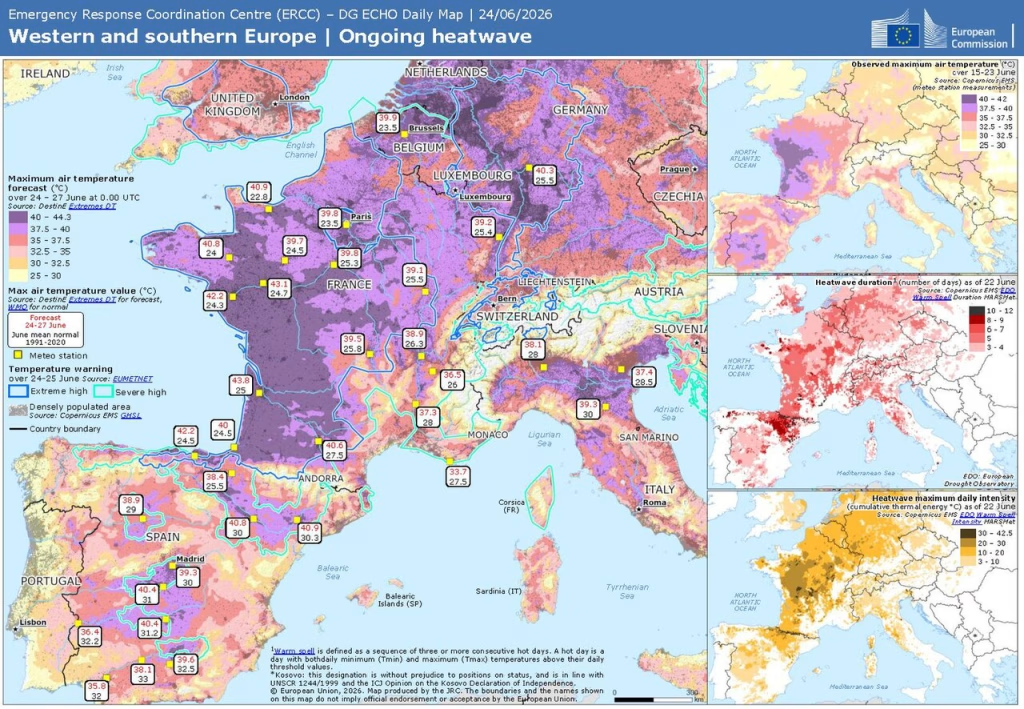
From the end of June, a major heatwave swept across Western Europe.

Is Tavira too hot in summer? France, Spain, Germany, the Netherlands and parts of Central Europe all experienced extreme temperatures.

In several places, temperatures rose above 40°C. France recorded highs of up to 43.8°C. Bilbao in northern Spain reached 42.7°C, a June record for the city.

It was a summer that reminded us how important location can be when choosing a holiday destination.

And this is where Tavira becomes interesting.

Tavira lies in the far south of Portugal, close to the Spanish border. Yet its coastal location gives it a different summer climate from many inland destinations in southern Europe.
The Atlantic Ocean makes a difference

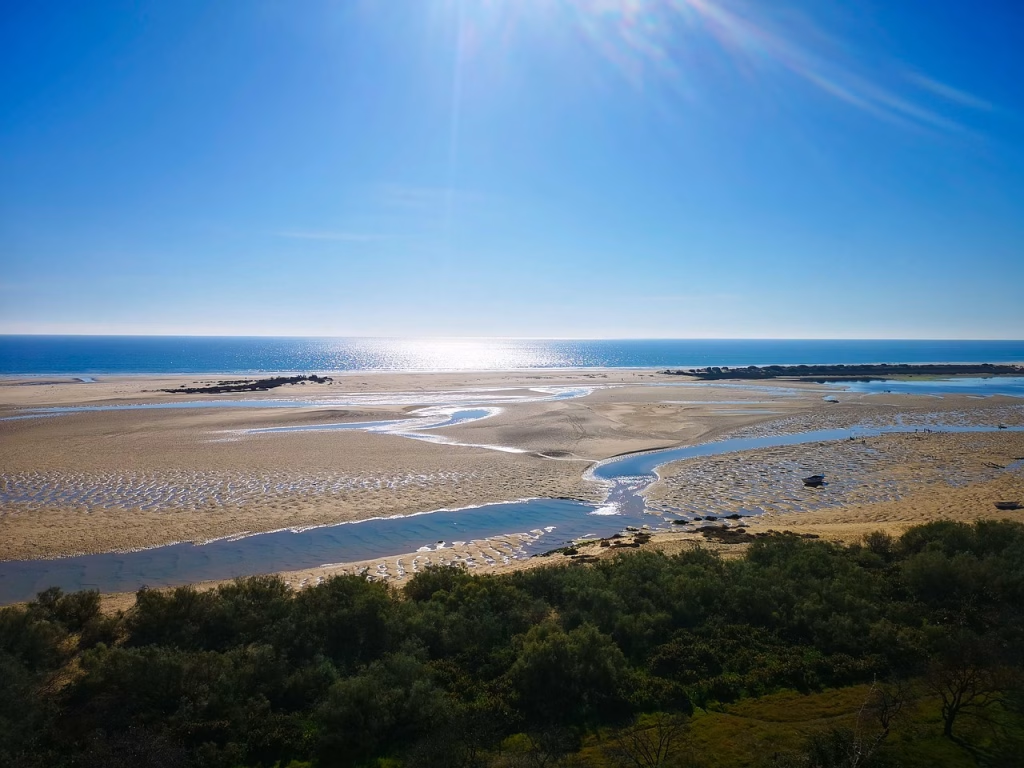
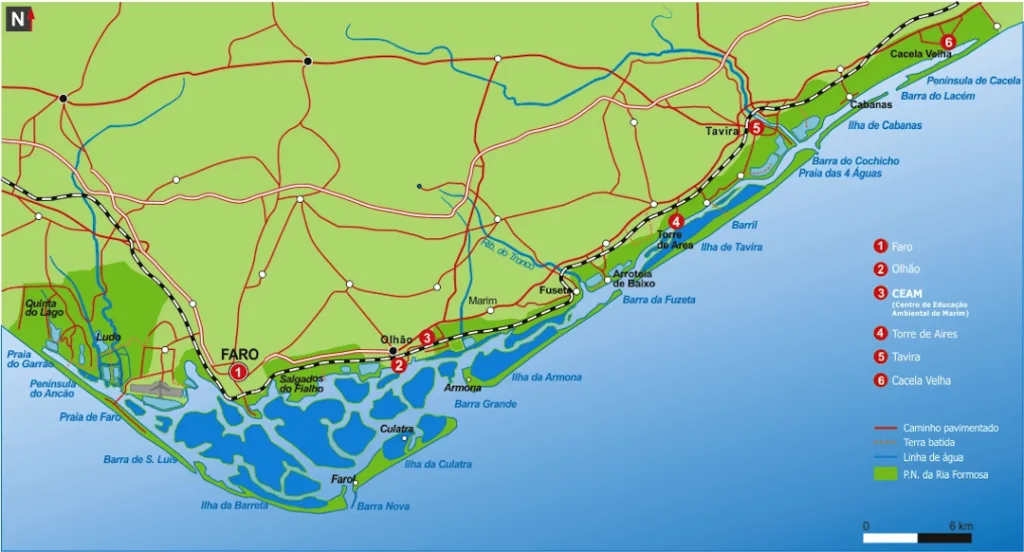
Tavira is only a few kilometres from the Atlantic Ocean. It also lies beside the beautiful Ria Formosa lagoon system.

The sea has a strong influence on the local climate.

Seawater warms up and cools down more slowly than land. This helps keep coastal temperatures more moderate. During summer, sea breezes can also bring welcome relief, especially in the afternoon.

You notice this in everyday life.

A summer afternoon in Tavira can be warm, sometimes very warm. But there is often a gentle breeze from the coast. Walk towards the Ria Formosa or the nearby beaches, and you may feel the difference.

This is one reason why the coastal Algarve can feel so different from places further inland.

Of course, the Atlantic cannot prevent every heatwave. Hot air from inland Portugal or North Africa can also reach Tavira. When the wind comes from the interior, the cooling effect of the sea may be weaker.

Even so, the Atlantic helps shape a more moderate coastal climate.

The hills create a different climate

There is another interesting feature of the eastern Algarve.

Look north from Tavira and you will see the landscape rising towards the Serra do Caldeirão.

The Algarve is not just a flat coastline. It has several distinct landscapes. Each has its own climate.

The coast around Tavira feels the influence of the Atlantic and the Ria Formosa. Further inland, the landscape becomes drier and more continental.

The difference can be surprisingly noticeable.

Drive north from Tavira on a hot summer afternoon. You may see the temperature on your car display gradually rise.

The hills do not form a complete barrier against hot air. However, elevation and distance from the sea influence local temperatures.

It is fascinating how much the climate can change over such a short distance.

Tavira, Beja and Seville: three different summers

A comparison with Beja and Seville helps explain these differences.

Beja lies inland in the Alentejo. It is surrounded by wide plains and has a much more continental climate. Summers are hot and dry, with little direct influence from the Atlantic.

During the summer of 2026, temperatures in Beja climbed into the low 40s. Available annual weather observations show a maximum of around 42°C.

Seville, just across the Spanish border, is famous for its summer heat.

The city lies inland in the Guadalquivir valley. Temperatures regularly rise above 40°C during heatwaves. In July 2026, the average daily maximum was around 38.5°C. During particularly hot periods, temperatures climbed even higher.

Now compare these figures with Tavira.

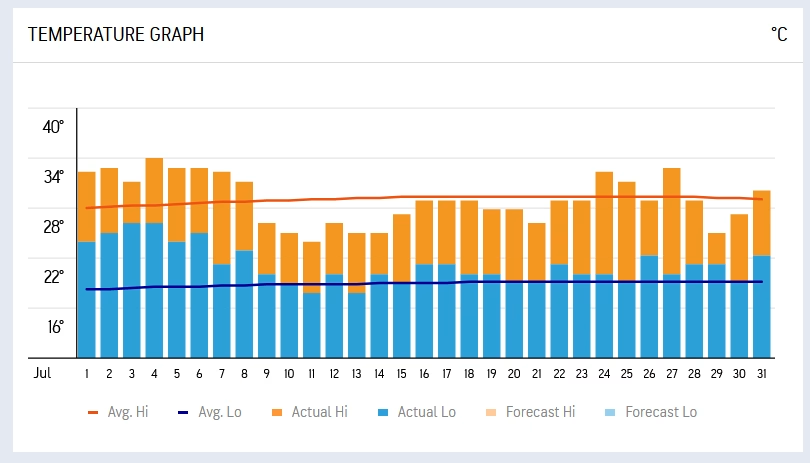
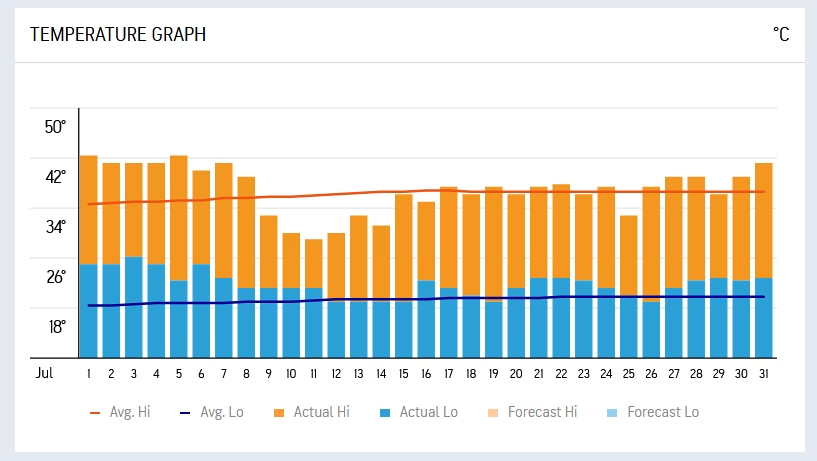
Weather archives for Tavira in 2026 show a highest daily temperature of approximately 32°C in June and 33°C in July. These are archive figures, not official all-time station records. Still, they illustrate the difference between the coast and the hotter inland regions.

The contrast is remarkable, especially when you consider how close these destinations are.

That is why I would not compare a summer holiday in Tavira with one in Seville or the Alentejo.

Is 30–33°C still not hot?

Of course it is.

The Algarve is in southern Europe, and the summer sun is strong. Even at 30°C, walking through the historic centre can feel hot.

The white walls and cobbled streets absorb and reflect the sunshine. Shade becomes very welcome, especially in the afternoon.

But there is a difference between a hot summer day and a prolonged period of extreme heat.

Many summer days in Tavira are perfect for outdoor living. The secret is to follow the natural rhythm of the day.

Mornings are lovely for exploring the historic centre. You can visit the market or enjoy a coffee on a terrace.

Around lunchtime, life slows down. Perhaps you enjoy a long lunch in the shade. Or you spend a quiet afternoon by the pool or at the beach.

Towards the end of the afternoon, Tavira comes alive again.

The light becomes softer. The temperature gradually changes. Terraces fill with people enjoying the evening.

This is one of the things I love about summer here.

What is the weather like in Tavira in July and August?

July and August are the hottest months in Tavira.

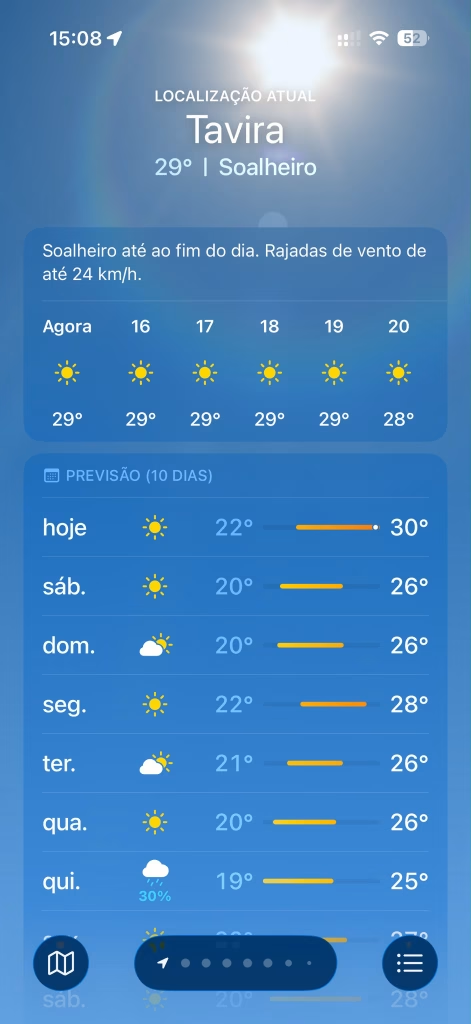
You can expect plenty of sunshine and very little rain. Daytime temperatures are generally around 30–33°C, although some days can be hotter.

During a heatwave, temperatures may rise into the upper 30s. Nights can also remain warm, especially during longer hot spells.

But the coastal location makes a difference.

When the Atlantic breeze reaches Tavira, afternoons can feel more pleasant than you might expect from the weather forecast alone.

And then there is the sea.

The beaches of Tavira Island offer a wonderful escape on a hot day. A short boat trip takes you away from the town. There, the open coastline, golden sand and sea breeze create a different atmosphere.

It is hard to imagine a better way to spend a summer afternoon.

Follow the rhythm of the Algarve

Portuguese summer life has its own natural rhythm. After spending some time here, you begin to understand it.

There is no need to rush around at two o’clock in the afternoon.

The morning is ideal for exploring. The middle of the day is for a leisurely lunch, a little shade or a visit to the beach. The evening is for walking, meeting friends and enjoying dinner outside.

Tavira is particularly lovely at this time of day.

The historic streets and little squares become lively again. People stroll along the riverfront. Restaurants welcome guests onto their terraces.

Even on a warm evening, there is something special about sitting outside with a glass of Portuguese wine. You can enjoy the last light of the day and watch the town slowly settle into the evening.

Are April/May/June and September/October better months to visit Tavira?

If you are sensitive to heat, I would certainly consider June or September.

Both months offer plenty of sunshine. Temperatures are generally a little gentler than during the height of summer.

June brings long days and the start of the summer season. September has a charm of its own. The sea is still warm from the summer, the days are sunny and the atmosphere often feels more relaxed.

July and August are wonderful too, especially if you enjoy beach life and long summer evenings. You simply need to plan your activities around the temperature.

So, is Tavira too hot in summer?

I wouldn’t say so.

The summer of 2026 reminded us how much a destination’s location matters.

Large parts of France, Spain and Central Europe experienced extraordinary heatwaves. Tavira, meanwhile, benefited from its position beside the Atlantic Ocean and the Ria Formosa.

That does not mean Tavira is immune to extreme heat. Climate change affects the whole Mediterranean region, including Portugal. Hot spells are becoming an increasingly important factor when planning a summer holiday.

Still, there is a real difference between the coastal Algarve and the inland plains of Portugal and Spain.

Perhaps that is one reason why I enjoy living here so much.

The sunshine, the sea, the changing landscape and the gentle rhythm of life all belong together.

And when the afternoon sun becomes a little too strong, there is always a shady terrace, a cool drink or a beach nearby.

Summer in Tavira isn’t about escaping the heat. It’s about discovering a different way to enjoy it.

And that, to me, is part of the charm of the eastern Algarve.

Bem-vindo to Tavira. Come and enjoy the summer.
Sustainable Tavira: Eco‑Hotels, Zero‑Waste Cafés & Nature‑Friendly Tours

Tavira isn’t just charming—it’s blossoming into a beacon of sustainable tourism . Here’s a thoroughly verified guide to staying greener and experiencing Tavira with respect for its environment and community.


🏨 Eco‑Friendly Places to Stay

1. Taste Tavira AL (Close to Tavira historic centre)
Located at 5-10 minutes from the heart of Tavira, Taste Tavira AL offers more than comfort and charm—it’s consciously designed with sustainability in mind. The apartment holds an Energy Label A+ , is water heating is powered by solar panels , and makes use of eco-friendly cleaning products and low-impact materials . It’s a perfect choice for travellers looking to lower their footprint without sacrificing style. Guests are encouraged to shop at local markets, walk or cycle to nearby attractions, and enjoy a slower, more sustainable rhythm of life.

2. Vila Galé Albacora Eco‑Hotel
Located within the Ria Formosa Natural Park , this former tuna-fishing camp was thoughtfully restored to preserve the old fishermen’s houses, chapel, school, and even a small museum dedicated to the tuna industry. It holds Green Key , Travelife , and other sustainability certifications, and actively promotes nature tourism—birdwatching, solar boat tours, and coastal walks.

3. Calçada Guesthouse
This intimate B&B combines comfort with real sustainability: photovoltaic panels , solar hot water, LED lighting, refillable water bottles, and low-flow taps. Guests are encouraged to visit local markets and explore nature with low-impact activities like cycling and SUP.

4. Hotel Rural Quinta do Marco
Just outside Tavira, this eco-resort practices composting, solar water heating, electric vehicle use, and drought-resistant landscaping. They minimize food waste, support reforestation efforts, and offer panoramic views over the hills and sea—sustainability with a side of serenity.


☕ Zero‑Waste & Sustainable Eats

Cafetaria Cascata at the Municipal Market
This friendly café inside the Mercado Municipal de Tavira serves seasonal snacks, juices, pastries, and sandwiches made with locally sourced ingredients, embracing low waste and vibrant freshness

Too Good To Go partnerships
Local vendors including Vila Galé and À da Marta participate in Too Good To Go , offering surplus food at discounted prices and helping reduce food waste in the Tavira area


🥗 Eating Sustainably: The Mediterranean Way

In Tavira, eating well and eating sustainably go hand in hand—and it all starts with the Dieta Mediterrânica . More than just a “healthy choice,” this time-honoured way of eating is a model of balance, tradition, and care for the planet.

Rooted in seasonal, local and mostly plant-based ingredients , the Mediterranean diet celebrates what’s grown close to home: olive oil, legumes, fresh vegetables, citrus fruits, herbs, whole grains, and a bit of fish or cheese now and then. Meals are simple but deeply flavourful, often prepared with love and nothing goes to waste —leftovers become tomorrow’s lunch, and bread is never thrown away if it can become soup or toast.

But what makes it truly remarkable is its low environmental impact . Studies show that following a Mediterranean-style diet can significantly reduce CO₂ emissions, water usage and energy consumption , while also promoting biodiversity and small-scale farming practices (fao.org). It’s no surprise that UNESCO listed it as part of the Intangible Cultural Heritage of Humanity —it’s a way of life that honours both people and the land.

Here in the Eastern Algarve, you’ll find the diet alive and well in daily life: from fig and almond desserts to vegetable-rich soups , grilled fish caught that same morning, and a glass of local wine at sunset. At Taste Tavira, we embrace this rhythm—slow meals, shared at the table, filled with flavour and meaning.

Eating this way isn’t just good for your health—it’s a quiet, joyful act of sustainability.


🚶 Nature‑Friendly Tours & Walks

Ria Formosa Discovery & Eco Tours
Through initiatives like the planned Ria Formosa Discovery Park , visitors can access guided birdwatching tours , interpretive pathways, cycle and walking routes, and ecological education programs that support conservation · estimated site hub in Tavira Wellness Villageo concept,

Self‑guided bird walks around the salt pans near Tavira Island, accessible by foot or ferry, offer low-impact wildlife watching and photography in a Ramsar‑designated wetland .

Interpretive nature trails are available within the Ria Formosa system, ideal for spotting flamingos, spoonbills, storks and other migratory birds especially during fall and spring migrations,


🗺 Sample 3‑Day Sustainable Stay in Tavira

DayMorningAfternoonEvening
Day 1 Guided nature walk or self-guided trail around salt pansVisit Café Cascata in Mercado + organic picnic by Ria FormosaEvening stroll in Tavira old town, sunset at Roman Bridge
Day 2 Eco‑hotel tour & Ria Formosa boat excursion Cycle to Praia Barril with a refillable water bottleDinner made from local organic produce at Quinta do Marco
Day 3 Visit Centro Ciência Viva for water & energy educationCraft shopping at local market stalls (À da Marta or others)Sunset yoga or SUP session on the lagoon (low‑impact operator)

Off-season Tavira: What to Do in Autumn & Winter

There’s something quietly magical about Tavira once the summer crowds disperse—the air feels softer, the rhythms slower, and the town’s history reveals itself in richer detail. From October through February , Tavira shifts into its charming off‑season persona: mild days, empty cafés, stunning natural light, and an opportunity to truly connect with the eastern Algarve at its authentic best.

Why Visit Off‑Season?

  • Milder weather & soothing quiet – October still sees highs of 23 °C and plenty of sunshine, while December and January linger around 16‑17 °C with fewer crowds—even if rainfall increases to roughly 85–95 mm per month.
  • Local life thrives – restaurants no longer rely on tourist volume, allowing you to enjoy beautiful presentened dishes at Come na Gaveta or stylish dining at Mesa Farta with experienced locals and expats
  • Nature in full bloom – migratory birds flock to Ria Formosa; wind-swept beaches take on dramatic beauty; and villages like Cacela Velha glow in off‑season stillness,

1. Birdwatching & Boat Tours in Ria Formosa 🌾

Take a serene, solar-powered boat from Tavira into the salt marshes to glimpse flamingos, spoonbills, oystercatchers and ospreys—especially vivid from November through March during migration season, With fewer boats in the water, even a short tour leaves you in near solitude among wetland birds.

2. Beach Therapy—Even If You Don’t Swim

You’ll still catch boat ferries to Ilha de Tavira or go Praia do Barril, though the tourist train may have slowed service post‑October. The beaches feel vast and almost wild now—a walk on quiet dunes or a shell-strewn boardwalk to Terra Estreita becomes a meditative experience. the average sea water temperatuur in November is comparable with Mai/ early June.

3. Historical Walks & Storytelling

The Roman Bridge , Castelo de Tavira , Igreja de Santa Maria do Castelo, and the Camera Obscura (Tavira Eye) are best enjoyed without the crowds. Join a local walking tour with a storyteller like Maria Luísa Francisco for folklore and archaeological insights—there’s even Phoenician ruins hidden downtown. See https://genuine-algarve.com/en/

4. Seafood & Markets—Locally Rooted Flavor

Wander the municipal market by the salt pans to meet fishmongers and persons like Inêz Ramos from Taste Algarve. Learn about flor de sal, muxama, then cook a cataplana in a farmhouse kitchen surrounded by almond, olive, fig, and carob trees. In Santa Luzia, octopus remains a star dish—and bookings are easy during the low season.

5. Day trips to Cacela Velha & Beyond

Drive or cycle to Cacela Velha , often silent in the off‑season but breathtaking from its clifftop church view. Nearby towns like Cabanas de Tavira, Manta Rota and Monte Gordo stay open year-round—ideal for a quiet lunch or sunset drink by the water.

6. When the Weather Turns—Indoor Ideas

Rainy days are chances to explore Tavira’s museums , like the Municipal Museum and the Centro Ciência Viva in the former Carmo Chapel, where hands-on exhibits explain water, energy and local ecology. Locals on travel forums suggest heading to Faro if you’re craving cinemas or bigger museums on gray days.


📅 Sample 3-Day Off‑Season Itinerary

DayMorningAfternoonEvening
Day 1 Ruins & market tourRia Formosa boat + birdwatchingrelaxed dinner at riverside gastrobar
Day 2 Walk Tavira Castle & churchesFerry to Tavira Island or Praia do Barrildinner and storytelling walk
Day 3 Day trip to Cacela Velha and Santa LuziaLight hike or bike through salt pansSeafood cooking class or tapas crawl

Discover Ria Formosa: Tavira’s Hidden Natural Gem

It may look like just water and sandbars from the shore. But step a little closer — and you’ll discover one of Europe’s most fascinating ecosystems quietly pulsing with life.

Welcome to Ria Formosa, Tavira’s secret wild heart.


What Exactly Is the Ria Formosa?

Ria Formosa is more than just a lagoon — it’s a living, breathing ecosystem.

Stretching along 60 km of Portugal’s Algarve coast , the Ria Formosa Natural Park is a protected labyrinth of saltwater channels, marshes, barrier islands , and tidal flats . Shaped by tides and always shifting, it’s a place where nature leads the dance.

Tavira sits right on its edge, offering the perfect, easy gateway into this stunning natural wonder.


Best Ways to Explore Ria Formosa: By Boat or On Foot

🚤 By Boat: Guided Tours and Eco-Friendly Options

For first-timers, a guided boat trip is the ideal introduction:

  • Short tours (1–2 hours): Cruise past Tavira Island, oyster beds, and flamingo zones.
  • Half-day trips: Swim or enjoy lunch on the islands, or visit Culatra , a charming, car-free fishing village.
  • Eco-tours & solar boats: Perfect for birdwatchers seeking a quiet, sustainable experience.

Pro Tip: Book a smaller boat or catamaran for a more personal feel — and don’t forget your binoculars!


🚶‍♀️ On Foot: Walk the Edges of the Lagoon

If you prefer dry land:

  • Tavira to Praia do Barril: Walk or bike the boardwalk across marshes. You’ll see oyster beds, crab tracks, mudflats, and end at the intriguing Anchor Cemetery .
  • Manta Rota to Cacela Velha: Experience the Ria’s final stretch, surrounded by sand dunes, pine trees, and vast skies — it feels like the edge of the world.

The Battle to Preserve Ria Formosa’s Unique Ecosystem

Near Manta Rota, the lagoon narrows and silts up — a natural process intensified by rising sea levels, reduced sediment flow , and urban development . Some channels are now only accessible at high tide, putting pressure on this delicate ecosystem.

Still, the Ria Formosa’s shimmering flats, blue crabs, and solitary birds tiptoeing across silver puddles remain a magical sight.


The Magic of Tides: Life in Constant Motion

At low tide , the Ria becomes a muddy wonderland, alive with tiny crabs, probing wading birds, and gleaming salt flats.
At high tide , water floods the channels, bringing fish, mollusks, and floating seagrass meadows. Boats drift gently, and the lagoon turns serene and still.

Tip: Time your visit to experience both — the contrast is mesmerizing.


Birdwatching Paradise: Over 200 Bird Species

Whether you’re an expert or just love nature, the birdlife here will amaze you. Look out for:

  • 🦩 Pink flamingos
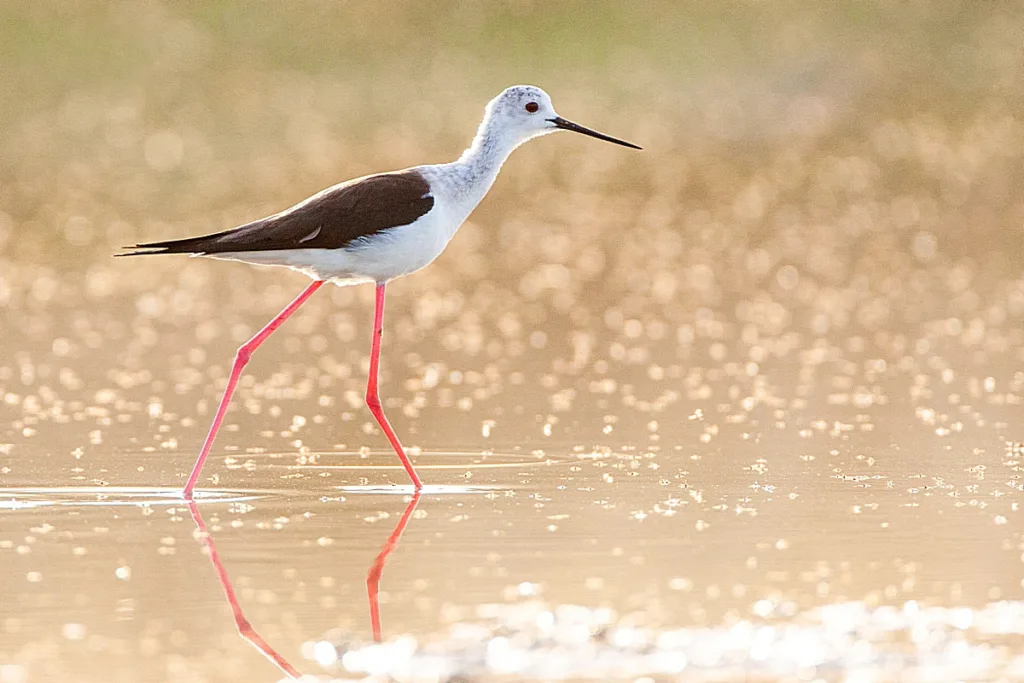
  • 🖤 Black-winged stilts
  • 🤍 Graceful egrets
  • 🦅 Migratory visitors like ospreys and kingfishers

Spring and autumn are peak seasons for migratory birds, especially in the soft morning or golden evening light.


Taste the Flavors of Ria Formosa

The lagoon isn’t just beautiful — it’s delicious.

Local restaurants in Santa Luzia and Tavira Island serve fresh oysters, clams, mussels, razor clams, and octopus .

Don’t miss:

  • 🧄 Amêijoas à Bulhão Pato – clams in garlic-cilantro sauce
  • 🐙 Polvo à Lagareiro – roasted octopus with olive oil and potatoes
  • 🦪 And always, the oysters!

When to Visit Ria Formosa

  • Spring & Autumn: Best for birdwatching and fewer crowds.
  • Summer: Warm water, more tours, stunning sunsets — but busier and hotter.
  • Winter: Quiet, beautiful light for photography, and yes — flamingos.

A Protected Natural Treasure

Ria Formosa is a designated Natural Park and part of the Natura 2000 network , emphasizing its importance for biodiversity and conservation.

Please respect this fragile ecosystem during your visit — it’s a rare and precious habitat.


Final Tip: Don’t Just Look — Listen

The Ria Formosa isn’t loud. It murmurs.

Listen for the soft rush of tides, the flick of fish tails, and the call of birds overhead. It’s nature’s whisper — and once you hear it, you’ll want to return again and again.