Why Guests Love Staying at Taste Tavira AL: A Hidden Gem in the Eastern Algarve

Tucked away in a peaceful corner of Tavira, Taste Tavira AL has quietly become a favorite among travelers seeking comfort, style, and a true local experience in the Eastern Algarve. This elegant and newly built apartment offers more than just a place to sleep—it creates the perfect base to explore the charm, history, and natural beauty of Tavira.

A Home That Feels Like Your Own

Guests often describe their stay at Taste Tavira AL as feeling like home from the moment they walk through the door. The apartment is bright, modern, and thoughtfully decorated, combining sleek design with cozy touches. Two private balconies invite you to enjoy your morning coffee on the eastern balcony, while the fully equipped kitchen and open-plan layout make longer stays a joy.

The space is ideal for couples, solo travelers, and small families alike, offering two bathrooms, high-speed Wi-Fi, and underfloor heating for year-round comfort. Every detail—from soft linens to smart storage—has been carefully chosen to make life easy and relaxing.

A Quiet Location Close to Everything

Taste Tavira AL is located in a calm residential neighborhood just a short 10-minute walk from Tavira’s historic center. Guests love the peace and quiet at night while still being close enough to stroll into town for dinner, drinks, or an afternoon by the river.

Supermarkets, cafés, a huge amount of restaurants and local shops are all nearby, and the ferry to Tavira Island’s stunning beaches is just 10 minutes away. For those without a car, the apartment is conveniently close to train and bus stations, making it easy to explore other Algarve highlights like Manta Rota, Cacela Velha, Vila Real, Fuseta, Olhão or even Faro.

Thoughtful Touches That Make a Difference

What sets Taste Tavira AL apart are the little things—details that show care and consideration for the guest experience. From a welcome basket with local goodies to sun beds games, and personal recommendations from the host, everything is designed to help you settle in and enjoy your stay without stress.

Families especially appreciate the practicality: an elevator in the building, free parking outside, and all the essentials for cooking, relaxing, and resting after a day of sightseeing or sunbathing.

Loved by Guests from Around the World

Guests regularly mention how clean, comfortable, and beautifully designed the apartment is. Many highlight the host’s warm welcome, helpful tips, and quick communication. Whether visiting from Canada, the UK, Japan, France, or Portugal, travelers feel genuinely cared for—and many say they would happily return again.

One recent visitor described the space as “spacious and comfortable, decorated with fantastic taste,” while another praised the location as “very quiet with everything we needed close by.”

Discover Tavira, Discover Slowing Down

Staying at Taste Tavira AL means waking up in a sunlit apartment, grabbing fresh bread from the bakery in one of the supermarkets around the corner or the French Bakery, and setting off to discover the salt pans, cobbled streets, or golden beaches that make this part of Portugal so special. It means slowing down, tasting life, and feeling truly at ease.

So whether you’re planning a romantic getaway, a solo retreat, or a relaxed family escape, Taste Tavira AL offers the ideal mix of tranquility, convenience, and authentic charm.


Book your stay and let Tavira leave its mark on you. Taste the beauty of the Algarve—one day, one sunset, one local dish at a time.

Legends of Tavira: Love, Loss, and a Town Between Worlds

At first glance, Tavira looks peaceful — tiled houses, quiet streets, and a river that glimmers in the sun. But this calm town also carries stories. Over centuries, legends have settled into its stones, told and retold in hushed voices. If you take your time here, you might just hear them.

The best-known tale runs right through the town. The River Séqua, which begins in the hills of the Serra do Caldeirão, becomes the River Gilão as it flows under Tavira’s old bridge. Why the name changes has no scientific answer — but locals will tell you: it’s because of love. In Moorish times, a king’s daughter named Séqua fell for a Christian knight called Gilão. They met in secret on the bridge, knowing they could never be together. When they were discovered, both sides turned against them. Rather than be separated, they each jumped into the river — Séqua upstream, Gilão downstream. That’s how the river got both names. And Tavira, they say, was shaped by their story.

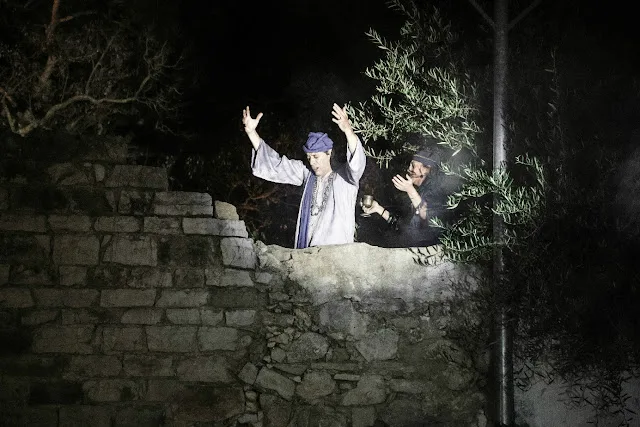
Up at the castle, there’s another story. On the night of São João (June 23), some say a Moorish girl — a Moura Encantada — appears on the wall, brushing her hair under the moonlight. She’s waiting for someone to break her spell. It’s one of many old legends about enchanted women said to guard treasure or memory. Whether it’s true or not, locals still glance up when the night is quiet and the moon is full.

In the 13th century, seven Christian knights were ambushed and killed near Tavira during a reconnaissance mission. When their riderless horses returned, the Christian army launched an attack and reclaimed the town. The Church of Santa Maria do Castelo was later built on the site of the old mosque, and legend says the knights are buried beneath it — though no one knows for sure. To this day, their memory is honored in stone, shadow, and story.

Just outside Tavira, near Conceição, there are stories of pine groves where spirits are said to walk at dusk. Some believe they look after the animals, especially the chameleons that live here — quiet, watchful, and always changing.

The sea has its stories, too. Fishermen tell of a sea-spirit who sings in the Ria Formosa on foggy mornings — part woman, part wave, still searching for a lost love. Some say she brings luck. Others just nod, leave an offering, and head out to sea.

And in nearby Santa Luzia, famous for its octopus boats, there’s talk of strange journeys. Boats drift off course, only to return full of fish — as if someone, or something, guided them back.

You won’t find these stories on signs or in museum displays. But they’re still part of Tavira — in a quiet gust of wind, in the stillness of the river, or in the way the old bridge catches the light at sunset.

Some say the past is gone. In Tavira, it’s just a little harder to spot — but never far away.

🕰️Tavira Through Time: A Gentle Timeline of Layers

Tavira invites you to slow down. Its history doesn’t demand attention, but you’ll find it everywhere — in the stones underfoot, the faded tiles on old façades, and the calm rhythm of daily life.


🐚 8th century BC – Phoenician Foundations

Long before Tavira had its name, Phoenician traders from the Eastern Mediterranean settled near the calm estuary of today’s Gilão River. They brought knowledge of navigation, trade, and metalwork — leaving behind pottery fragments and hints of the first structured community in the Algarve. This was the seed of urban life in the region.


🏺 1st century BC – The Roman City of Balsa

A short walk from today’s Luz de Tavira lies the buried Roman city of Balsa . Once a thriving town with baths, villas, and a forum, Balsa connected the Algarve to Rome’s vast empire. Though most of it lies unexcavated, archaeologists have confirmed its importance — and many believe Tavira itself grew from Balsa’s slow disappearance.


🌙 8th–13th century – The Moorish Era

With the arrival of the Moors, Tavira took on a new rhythm — winding streets, irrigation canals, and the famous Moorish waterwheel systems still visible today. The castle was fortified, the town expanded, and citrus groves flourished. Tavira’s name likely stems from this era, echoing the Arabic influence that shaped its soul.


✝️ 1242 – The Christian Reconquest

Tavira was reconquered by Portuguese forces led by Dom Paio Peres Correia. Churches were built on mosque sites, including the Igreja de Santa Maria , still a central landmark. The shift from Moorish to Christian rule left its mark in architecture, ritual, and urban planning.


⚓ 15th–16th century – The Age of Discoveries

Tavira became a key port for ships sailing to Africa and the Americas. Salt, dried fish, and Algarve wines were shipped abroad. This was a time of wealth and ornament , reflected in the elegant Manueline windows, baroque churches, and noble houses that still grace the old town.


🌊 1755 – Earthquake and Rebirth

The great Lisbon earthquake caused damage even here. Tavira’s castle lost its defensive strength, but the town was largely spared compared to Lisbon. It rebuilt slowly, with 18th-century tiles and facades that today give Tavira its unique faded elegance.


🎣 19th–20th century – Tuna, Salt & the Sea

Fishing shaped daily life, especially tuna fishing using the almadrava method , a legacy from earlier civilizations. Tavira was also a hub for salt production, with saltpans still glistening today. Modest prosperity came through industry and trade.


☀️ Today – Tavira, Then and Now

Tavira has found its balance. The past lives on in salt pans, tiled rooftops, and quiet ruins, while the present brings visitors, fresh design, and a relaxed lifestyle. It’s not a museum — it’s a lived-in town, and that’s part of its magic.


Exploring the Algarve by Train: From Tavira East and West

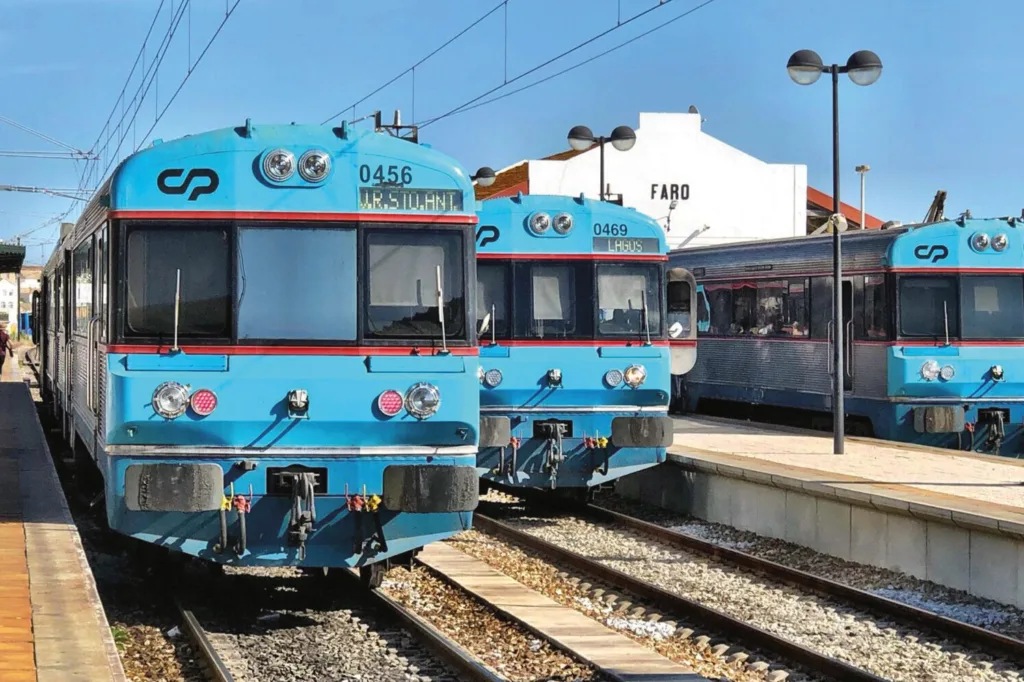
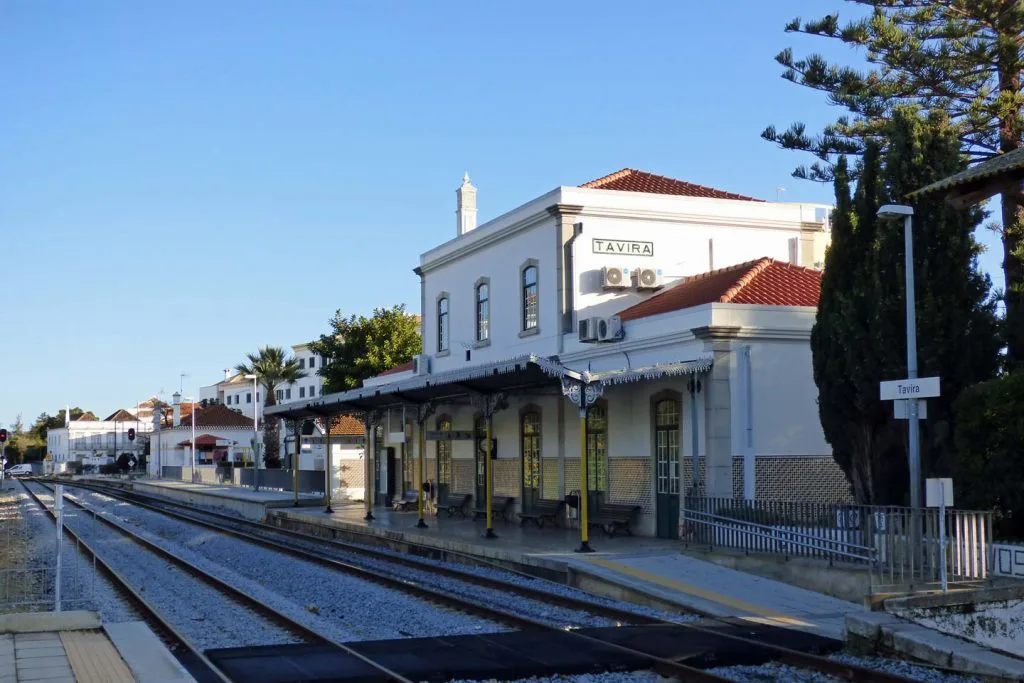
There’s something quietly magical about riding the regional train through the Algarve. No traffic, no rush — just the rhythmic hum of the tracks and a slow parade of landscapes slipping past the window. From Tavira’s charming station at 400m from Taste Tavira AL, you can head either east toward Vila Real de Santo António , or west to Lagos . Both directions promise their own delights.

🌅 Eastbound to Vila Real de Santo António

The journey east takes around 25 minutes , with frequent daily departures. It’s a short but scenic ride through salt flats, citrus groves, and sleepy hamlets of the eastern Algarve.

Recommended stops along the way:

  • Monte Gordo : A touristic beach town with golden sands, perfect for a seaside break just minutes from the station.

Once you arrive in Vila Real de Santo António , the streets open up in clean lines — a legacy of Enlightenment-era urban planning. Sit for a bica on the grand square, or stroll the riverfront promenade along the Guadiana River, just steps from Spain.

🌊 Westbound to Lagos

Heading west is a longer ride — nearly three hours , often with a transfer in Faro . But the trip is more than transport; it’s a slow dive into the changing rhythms of the Algarve.

Where to stop along the way:

  • Fuseta : A charming fishing village known for its fresh seafood and calm beaches, easily reachable from the station.
  • Olhão : Known for its lively fish market and traditional charm, this coastal town invites you to explore its tiled streets and sample fresh seafood.
  • Faro : The Algarve’s capital with a beautiful old town, historic walls, and a vibrant café culture — a perfect stopover.
  • Portimão : Famous for grilled sardines and riverside dining, it’s a great place to stretch your legs and enjoy local flavors.

Arriving in Lagos , you’ll be greeted by golden cliffs, cobbled lanes, and a laid-back surf-town vibe. It’s worth staying a night if you can.

🎟️ Travel Tips

  • Tickets are affordable and can be bought at the station or online at cp.pt.
  • Trains are comfortable , though simple — no reserved seating, but plenty of charm.
  • Schedules vary slightly on weekends or holidays, so check ahead if you’re planning a longer day out.

Whether you’re seeking beach time, history, or just a slow way to see more of the Algarve, the train from Tavira offers a window onto the region’s quiet beauty — one stop at a time.