Pego do Inferno: Tavira’s Hidden Waterfall & Its Legend

Tucked away in the countryside near Tavira lies a slice of nature legend: Pego do Inferno , or “Hell’s Pool.” Once a popular swimming spot, today it’s more of a secret pilgrimage—quiet, wild, and wrapped in mystery.


🏞️ What is Pego do Inferno?

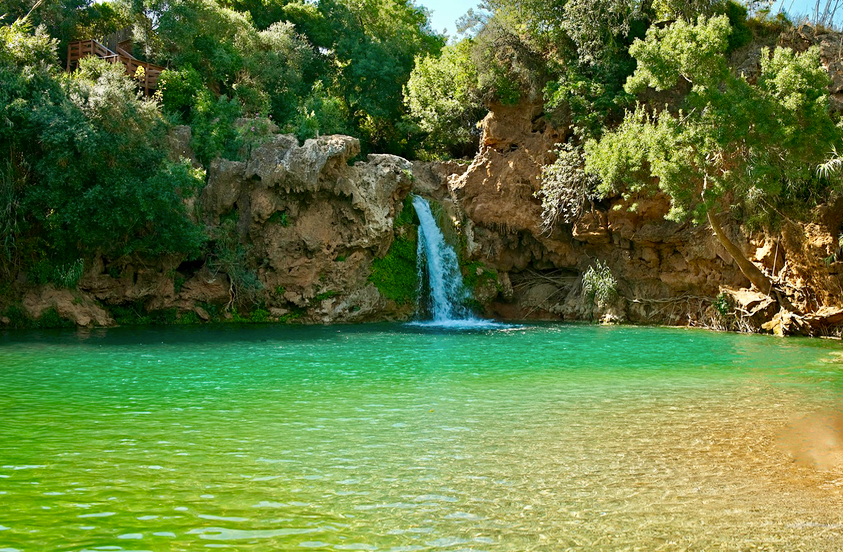
  • Located on the Asseca stream in Santo Estêvão , just 7–10 km northwest of Tavira , Pego do Inferno consists of a modest 3‑meter waterfall flowing into an olive-green plunge pool, estimated to be around seven meters deep .
  • The falls are part of a trio—including Cascata da Torre and Cascata do Pomarinho —all created by water flowing over calcareous tufa formations along the stream.

🕯️ The Legend Behind the Name

According to local lore, a carriage once plunged into the pool and neither the vehicle nor its passengers were ever recovered . Divers reportedly couldn’t find the lake’s bottom—so it earned the dramatic name, “Hell’s Pool”

Some say hidden underwater passages connect to nearby rivers like the Guadiana or Gilão, though no proof exists beyond storytelling.


🚧 Why It Remains Mostly Closed

  • In 2012 , a forest fire swept through the area, destroying the boardwalk, bridge, stairs, and facilities that once made the waterfall easy and safe to visit. The municipality officially closed the area afterward and never rebuilt the infrastructure.
  • Since then, efforts to reopen the site under safe conditions have stalled due to drought , lack of water flow, private land negotiations , and priority projects funded by the Recovery and Resilience Plan (PRR).

🧭 Visiting Now: What to Expect

Although officially closed, Pego do Inferno still attracts adventurous locals and holidaymakers who navigate informal paths and dense overgrowth to reach the pool.

Taste Tavira by Annick desribes how to find it.

AllTrails users describe:

  • Overgrown trails through bamboo and citrus groves
  • Stream crossings becoming impossible in winter or bad rain
  • Risky, unclear terrain and degraded trail infrastructure

Tripadvisor reviewers echo concerns:

  • In wet seasons, paths are hazardous
  • In dry seasons, the waterfall may be reduced to a trickle or a stagnant green pool
  • Trash and poor maintenance also worry visitors \.

🗺 Planning Your (Responsible) Visit

If you’re drawn to hidden spots and you’re well-prepared:

TipNotes
Footwear Wear sturdy shoes—trail is uneven and slippery.
Waterflow timing Best after recent rainfall; drought years may leave little to see.
Safety Bring water & snacks, avoid solo visits, and respect “no entry” signs.
Timing Spring and autumn offer the best balance of water and navigable trail.
Access routes Park near Santo Estêvão/Tavira outskirts using GPS and follow local informal directions

The Cork Oak Trails: Walking Among Portugal’s Green Gold

Wander through the soul of the Algarve with a walk among cork oaks — Portugal’s “green gold.” If you’ve strolled through the shops of Tavira, you’ll have noticed the many items crafted from cork: bags, wallets, hats, and even umbrellas. But behind these stylish souvenirs lies a centuries-old rural tradition, best discovered on foot.

The hills around São Brás de Alportel and Santa Catarina da Fonte do Bispo are dotted with cork oak forests. Here, the bark is still harvested by hand in a sustainable cycle that has shaped both the landscape and the local economy. Walking trails through these areas reveal quiet paths shaded by twisting trees, where the rhythm of nature sets the pace. These routes are particularly appealing in spring and autumn, when the weather is ideal for hiking and photography.

One of the best places to deepen your understanding of cork is the Eco-Cork Factory of Francisco Carrusca , located near São Brás. This small but innovative facility offers guided tours that explain the process of cork harvesting and transformation. Visitors can also join hands-on workshops or — for those seeking an even more immersive experience — take part in “walk & meditative yoga” sessions among the trees. More information eco-corkfactory.com

For those with a curiosity for craftsmanship, these tours offer an authentic insight into rural Portugal, far removed from the beaches and golf courses. From the earthy scent of freshly cut cork to the quiet beauty of the montado landscapes, these trails and visits leave a lasting impression.

Bring water, wear good shoes, and don’t forget your camera — the cork oak trails offer a slow and sensory journey into one of the Algarve’s most iconic traditions.

Day Trip to Alcoutim and Mértola: Border Views and the World’s Only Cross-Border Zipline

For those staying in Tavira and looking to escape the coast for a day, a drive inland to the historic villages of Alcoutim and Mértola offers a completely different side of the Algarve – one shaped by river valleys, whitewashed hill towns, and a quiet echo of frontier history.

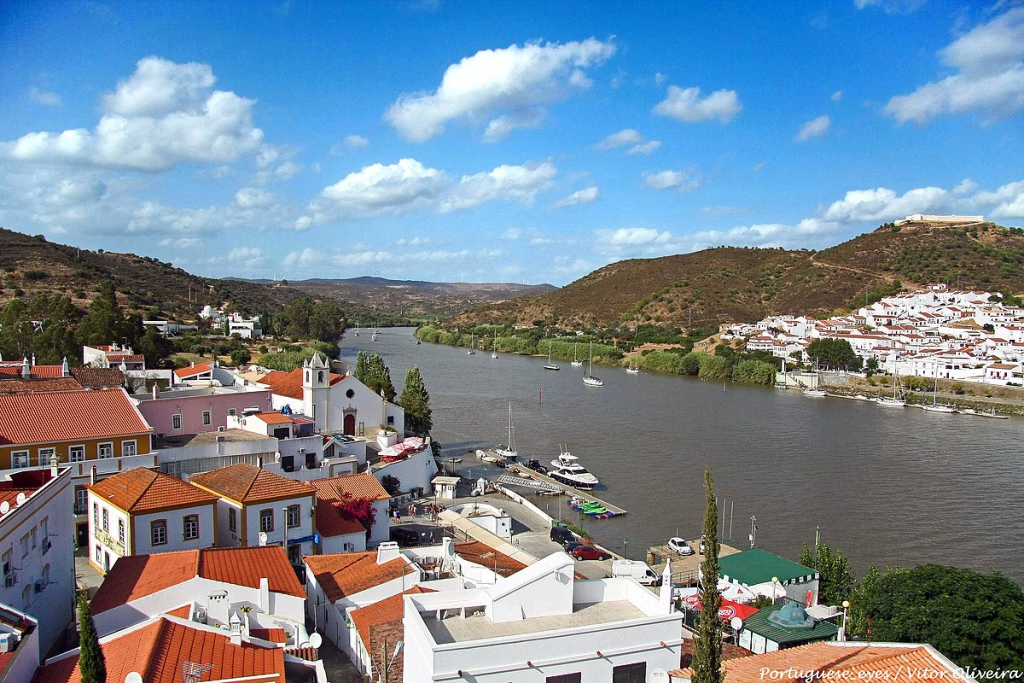
Start your journey heading east from Tavira along the N125 or A22 towards Castro Marim and then north along the N122, passing rolling hills and cork oak forests until you reach Alcoutim , a tranquil village on the banks of the Guadiana River . Directly across the water lies Sanlúcar de Guadiana , its Spanish twin, and the two towns have shared centuries of peaceful coexistence – even exchanging festivals and customs. From the waterfront promenade in Alcoutim, you’ll enjoy beautiful views across to Spain, while the castle ruins above the village offer panoramic vistas and a small archaeological museum worth visiting.

But perhaps the most thrilling way to experience the border is not by boat or bridge – but by zipline . From Sanlúcar, adrenaline-seekers can launch themselves across the Limite Zero zipline , the only cross-border zipline in the world . In just under a minute, you’ll fly 720 meters across the river at speeds of up to 80 km/h – landing back in Portugal… and in a different time zone. (Yes, Spain is an hour ahead!)

After your ride (and the small boat ride back to Alcoutim), consider continuing north to Mértola , a hilltop village nestled in the Guadiana Valley Natural Park. Its layered history includes Roman ruins, a former mosque now serving as the main church, and winding cobbled streets with traditional houses. This is one of the most atmospheric towns in inland Portugal — and a photographer’s dream.

Don’t forget to enjoy lunch at a riverside taverna, where dishes like pork with clams , grilled black pork , or wild boar stew reflect the hearty Alentejan cuisine of the region.

From Mértola, you can return to Tavira (via Martinlongo and Cachapo), the scenic N122, N124 and N397 routes — a leisurely drive through the hills, with the occasional stork nest or shepherd crossing your path.

From Tavira to the Hills: Hiking the Algarve’s Hidden Trails

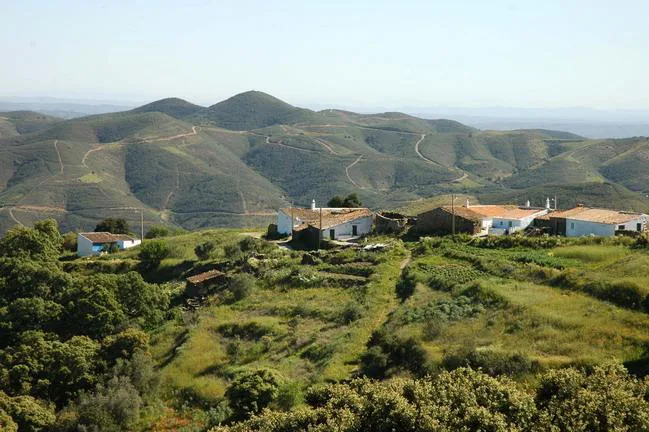
Just a short drive inland from Tavira, the landscape transforms into rolling hills, dense cork oak forests, and traditional whitewashed villages. This is the Serra do Caldeirão , a mountain range that forms the natural border between the Algarve and the Alentejo regions. Despite its modest altitude, with peaks like Pelados reaching up to 598 meters, the area offers a rich tapestry of biodiversity and cultural heritage.

Nature and Trails

The Serra do Caldeirão is a haven for hikers and nature enthusiasts. Trails wind through cork oak groves, heather-covered slopes, and alongside clear streams. The region’s schist and greywacke soils support a variety of flora, including wild lavender and cistus.

Starting points like the village of Parises or areas near Cachopo provide access to well-marked trails. These routes offer panoramic views and a chance to experience the tranquility of the Algarve’s interior.

Navigating the Trails

Given the remote nature of the Serra do Caldeirão, it’s advisable to use navigation apps like Komoot , AllTrails , or Wikiloc . These platforms offer GPS tracks and user reviews to help you plan your hike. Always carry sufficient water, wear sturdy footwear, and inform someone of your planned route.

Cerro da Cabeça

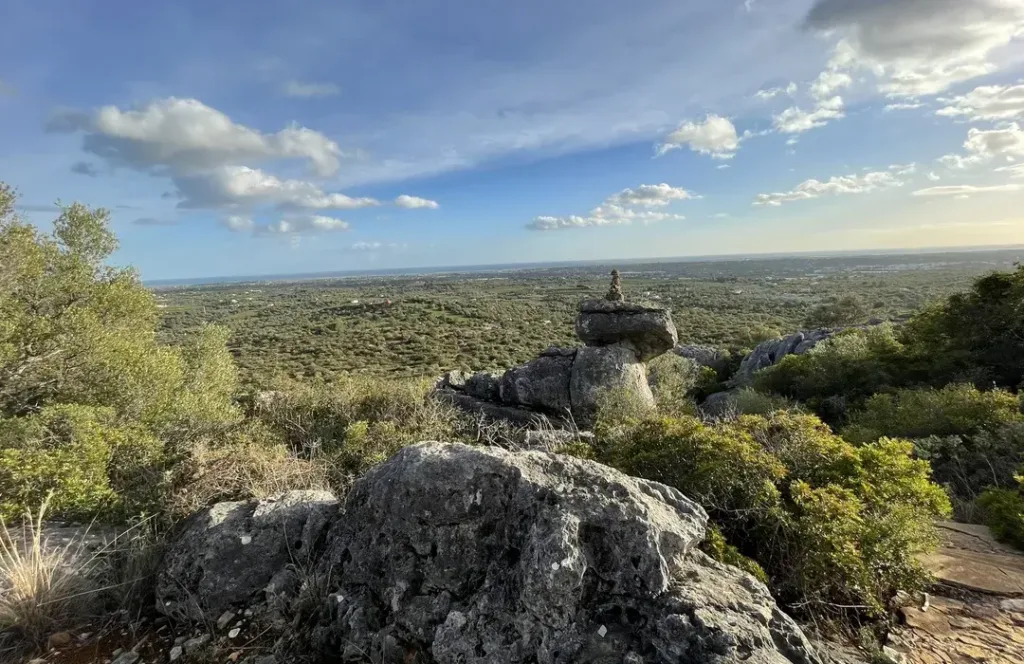
For those interested in exploring the Cerro da Cabeça , it’s a separate destination located near Moncarapacho. This limestone hill, part of the Serra de Monte Figo, offers its own unique hiking experiences and geological features.

Whether you’re seeking the rugged trails of the Serra do Caldeirão or the distinctive landscapes of the Cerro da Cabeça, the Algarve’s diverse terrain provides ample opportunities for outdoor adventure.