Discover Ria Formosa: Tavira’s Hidden Natural Gem

It may look like just water and sandbars from the shore. But step a little closer — and you’ll discover one of Europe’s most fascinating ecosystems quietly pulsing with life.

Welcome to Ria Formosa, Tavira’s secret wild heart.


What Exactly Is the Ria Formosa?

Ria Formosa is more than just a lagoon — it’s a living, breathing ecosystem.

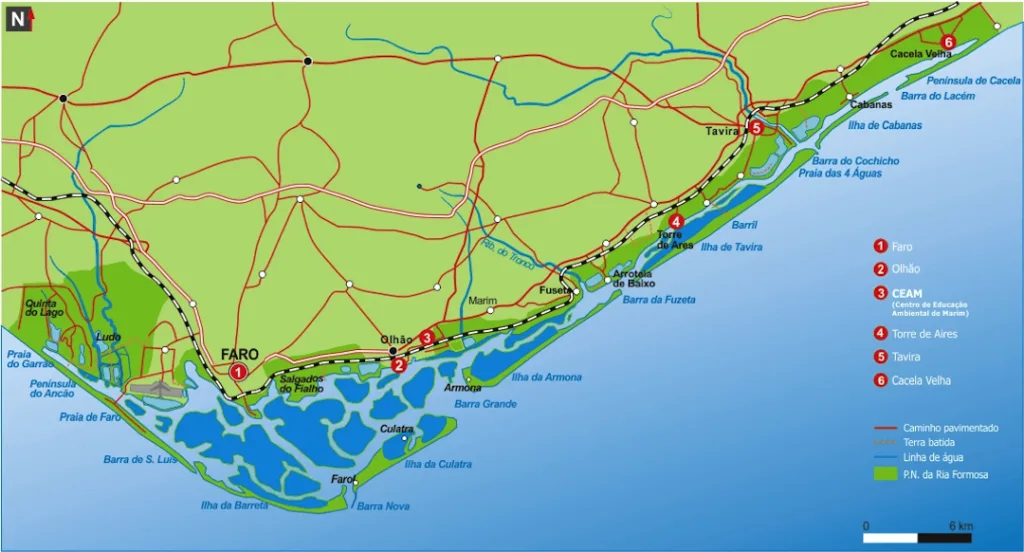
Stretching along 60 km of Portugal’s Algarve coast , the Ria Formosa Natural Park is a protected labyrinth of saltwater channels, marshes, barrier islands , and tidal flats . Shaped by tides and always shifting, it’s a place where nature leads the dance.

Tavira sits right on its edge, offering the perfect, easy gateway into this stunning natural wonder.


Best Ways to Explore Ria Formosa: By Boat or On Foot

🚤 By Boat: Guided Tours and Eco-Friendly Options

For first-timers, a guided boat trip is the ideal introduction:

  • Short tours (1–2 hours): Cruise past Tavira Island, oyster beds, and flamingo zones.
  • Half-day trips: Swim or enjoy lunch on the islands, or visit Culatra , a charming, car-free fishing village.
  • Eco-tours & solar boats: Perfect for birdwatchers seeking a quiet, sustainable experience.

Pro Tip: Book a smaller boat or catamaran for a more personal feel — and don’t forget your binoculars!


🚶‍♀️ On Foot: Walk the Edges of the Lagoon

If you prefer dry land:

  • Tavira to Praia do Barril: Walk or bike the boardwalk across marshes. You’ll see oyster beds, crab tracks, mudflats, and end at the intriguing Anchor Cemetery .
  • Manta Rota to Cacela Velha: Experience the Ria’s final stretch, surrounded by sand dunes, pine trees, and vast skies — it feels like the edge of the world.

The Battle to Preserve Ria Formosa’s Unique Ecosystem

Near Manta Rota, the lagoon narrows and silts up — a natural process intensified by rising sea levels, reduced sediment flow , and urban development . Some channels are now only accessible at high tide, putting pressure on this delicate ecosystem.

Still, the Ria Formosa’s shimmering flats, blue crabs, and solitary birds tiptoeing across silver puddles remain a magical sight.


The Magic of Tides: Life in Constant Motion

At low tide , the Ria becomes a muddy wonderland, alive with tiny crabs, probing wading birds, and gleaming salt flats.
At high tide , water floods the channels, bringing fish, mollusks, and floating seagrass meadows. Boats drift gently, and the lagoon turns serene and still.

Tip: Time your visit to experience both — the contrast is mesmerizing.


Birdwatching Paradise: Over 200 Bird Species

Whether you’re an expert or just love nature, the birdlife here will amaze you. Look out for:

  • 🦩 Pink flamingos
  • 🖤 Black-winged stilts
  • 🤍 Graceful egrets
  • 🦅 Migratory visitors like ospreys and kingfishers

Spring and autumn are peak seasons for migratory birds, especially in the soft morning or golden evening light.


Taste the Flavors of Ria Formosa

The lagoon isn’t just beautiful — it’s delicious.

Local restaurants in Santa Luzia and Tavira Island serve fresh oysters, clams, mussels, razor clams, and octopus .

Don’t miss:

  • 🧄 Amêijoas à Bulhão Pato – clams in garlic-cilantro sauce
  • 🐙 Polvo à Lagareiro – roasted octopus with olive oil and potatoes
  • 🦪 And always, the oysters!

When to Visit Ria Formosa

  • Spring & Autumn: Best for birdwatching and fewer crowds.
  • Summer: Warm water, more tours, stunning sunsets — but busier and hotter.
  • Winter: Quiet, beautiful light for photography, and yes — flamingos.

A Protected Natural Treasure

Ria Formosa is a designated Natural Park and part of the Natura 2000 network , emphasizing its importance for biodiversity and conservation.

Please respect this fragile ecosystem during your visit — it’s a rare and precious habitat.


Final Tip: Don’t Just Look — Listen

The Ria Formosa isn’t loud. It murmurs.

Listen for the soft rush of tides, the flick of fish tails, and the call of birds overhead. It’s nature’s whisper — and once you hear it, you’ll want to return again and again.
Faro – History and Hidden Corners in the Capital of the Algarve

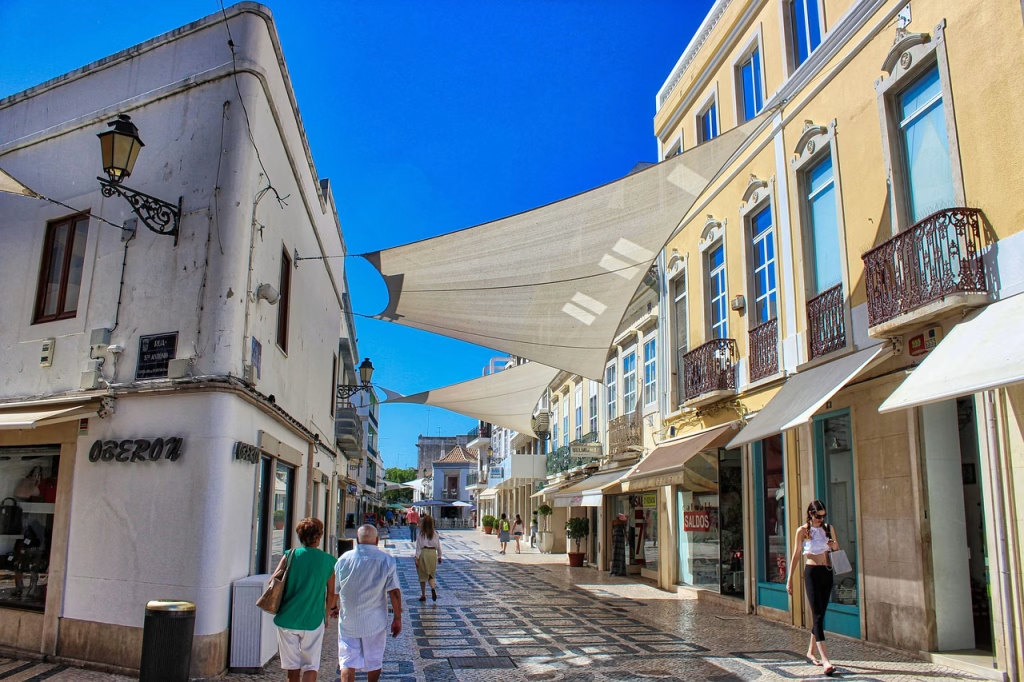
Often overlooked in favour of beach towns, Faro is the cultural and administrative heart of the Algarve — and absolutely worth a visit. While its airport may be most travellers’ first glimpse of the region, Faro is far more than a transit point: it’s a city steeped in history, charm, and quiet sophistication .

Best of all, Faro is easily accessible by train from Taste Tavira AL . The charming Tavira train station is just a five-minute walk (400 metres) away. From there, you can enjoy a scenic 40-minute ride through the eastern Algarve’s countryside straight into Faro’s historic centre — relaxed, car-free, and affordable.

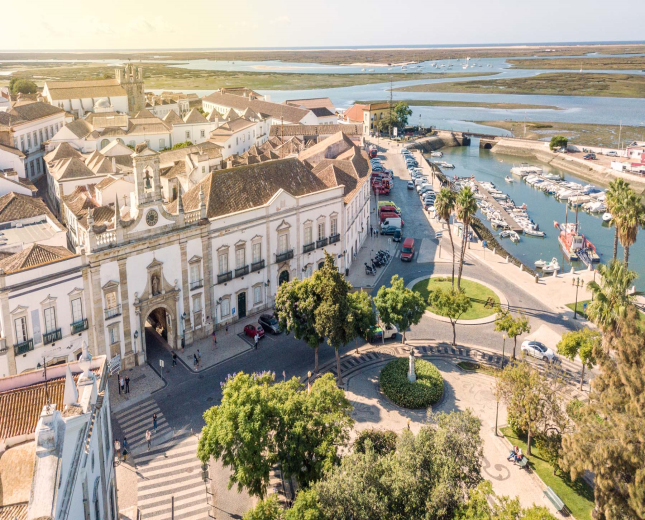
Begin in the Cidade Velha , the old walled town. Enter through the neoclassical Arco da Vila and step into a cobbled world of ancient churches, peaceful squares, and Roman ruins. The cathedral (Sé) , with its mix of Gothic, Renaissance and Baroque features, offers a climbable bell tower with sweeping views over the Ria Formosa lagoon .

Speaking of the lagoon — Faro is also a gateway to nature. The Ria Formosa Natural Park is right on the city’s doorstep, offering boat tours, birdwatching (keep an eye out for flamingos), and a chance to visit island beaches like Ilha Deserta or Ilha do Farol .

Faro has a distinct, low-key elegance, with museums, art galleries , and a lively local dining scene. Don’t miss the haunting Capela dos Ossos (Chapel of Bones) inside the Carmo Church, a striking reminder of the region’s Catholic heritage. For something lighter, grab lunch at one of the many modern bistros or traditional tascas , and enjoy a stroll along the marina before heading back to Tavira.

Borderland Charms: Discover Vila Real de Santo António & Castro Marim

Tucked away at the easternmost edge of the Algarve, at the Spanish border, the neighbouring towns of Vila Real de Santo António and Castro Marim offer a captivating blend of history, riverfront charm, and unspoiled nature. A perfect day trip from Tavira, these villages reveal a more tranquil, authentic side of the region—far from the crowded beaches and bustling resorts.

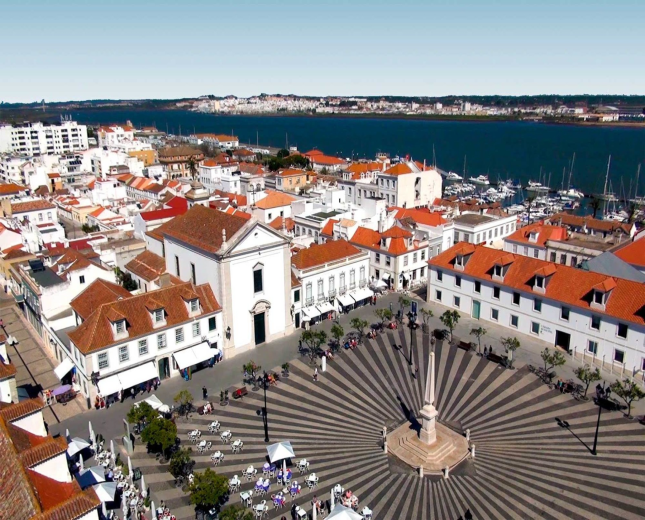
Vila Real de Santo António, sitting directly on the Guadiana River across from Spain, is an elegant 18th-century town with a distinctive Pombaline layout. Its grid-like streets and grand Praça Marquês de Pombal reflect the Enlightenment ideals of order and symmetry. Lined with shops, cafés, and tiled facades, the town invites leisurely strolls, riverside dining, or even a ferry ride to Ayamonte, just across the water. Don’t miss the marina promenade or the cultural centre housed in the former customs house.

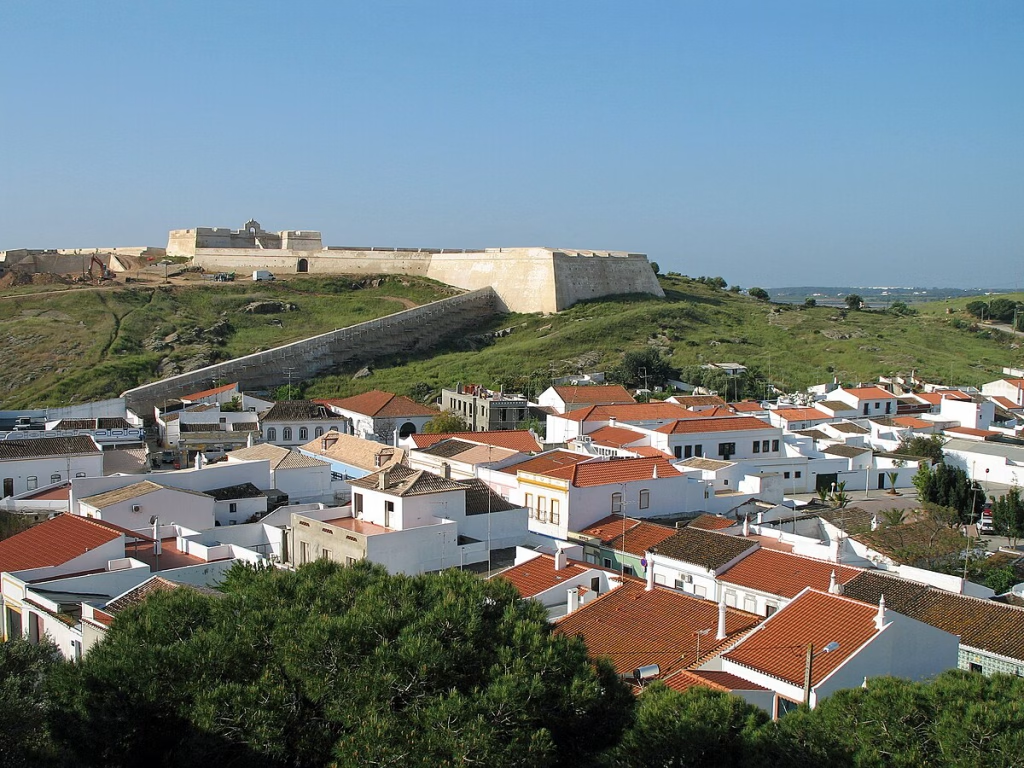
Just a few kilometres inland, Castro Marim is older and more rustic. Dominated by two hilltop castles—the medieval Castelo de Castro Marim and the 17th-century Fort of São Sebastião—the village offers sweeping views over salt marshes, the river, and even Spain. Its historical role in border defence is palpable, and its quiet streets and whitewashed houses reflect a slower pace of life. The area is also known for its traditional salt pans and artisanal flor de sal.

Each August, Castro Marim hosts the Dias Medievais (Medieval Days), one of Portugal’s most celebrated historical festivals. For five days, the town transforms into a medieval village, complete with knights, jesters, artisans, and a bustling market. The 2025 edition is scheduled from August 27 to 31. Visitors can enjoy reenactments, traditional music, and a nightly video mapping show projected onto the castle walls. visitportugal.com

Nature lovers will appreciate the Reserva Natural do Sapal de Castro Marim e Vila Real de Santo António , a protected wetland rich in birdlife, including flamingos and storks. Cycling routes and walking trails criss-cross this flat landscape, making it an ideal place for gentle outdoor exploration.

Whether you’re drawn by architecture, birdwatching, history, or simply a riverside lunch, Vila Real and Castro Marim offer a unique window into the Algarve’s quieter charms—where Portugal meets Spain and time slows down.

Fuseta – Oyster Beds, Island Beaches, and Life on the Lagoon

Fuseta is a small fishing town tucked between the Ria Formosa lagoon and the Atlantic Ocean, and it’s one of the best places to experience the quieter, more authentic side of the Algarve. Unlike larger resorts, Fuseta still feels like a working village—where fishermen mend nets in the harbor and tide charts matter more than time.

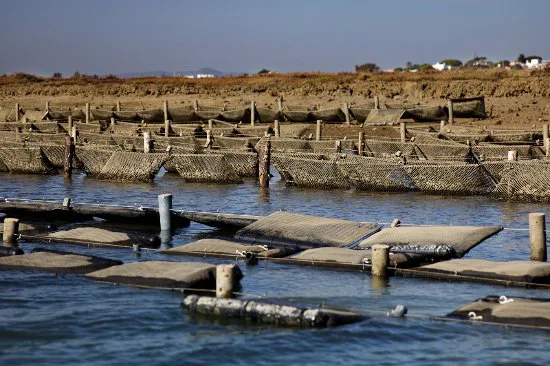
One of Fuseta’s most fascinating features is its connection to the local oyster industry . The shallow, nutrient-rich waters of the Ria Formosa provide perfect conditions for oyster farming. At low tide, you can spot rows of oyster beds stretching out across the lagoon. Several small producers offer tastings and boat tours , where you can learn how oysters are grown and harvested—often followed by a chance to taste them, freshly opened and with just a squeeze of lemon.

For swimming and relaxing, Fuseta offers two great options. The main beach sits inside the lagoon and is ideal for families with young children—calm, shallow waters and no waves. For a wilder beach experience, take the short ferry or water taxi to Ilha da Fuseta , a barrier island with wide Atlantic beaches and soft sand that stretches as far as the eye can see.

Fuseta is also a great spot for kayaking, birdwatching , or simply enjoying grilled seafood by the water. Life moves at a gentle pace here, shaped by the rhythm of the tides. Whether you’re slurping oysters, paddling through the channels, or walking barefoot on the sand, Fuseta offers a simple but unforgettable slice of Algarve life.