Stories from Fishing Villages: Traditions and Crafts Along the Eastern Algarve Coast

The eastern Algarve, stretching from Olhão to Tavira, offers a glimpse into a way of life where the rhythm of the tides dictates daily routines. Here, fishing villages like Santa Luzia, Olhão, and Cabanas de Tavira preserve centuries-old traditions and crafts, intertwining culture with the sea.

Santa Luzia: The Octopus Capital

Santa Luzia, often dubbed the “Octopus Capital” of Portugal, is renowned for its unique fishing methods. Local fishermen use traditional clay pots, known as “alcatruz,” to catch octopus. These terracotta pots, a practice dating back to Phoenician times, are baited with chicken pieces and left on the seabed overnight. Each pot is marked with the fisherman’s name, ensuring a sustainable and personal approach to fishing.

The village’s deep connection to the sea is celebrated annually during the Festa do Polvo (Octopus Festival) in August, where locals and visitors indulge in octopus dishes, music, and cultural displays.

Olhão: The Heart of the Ria Formosa

Olhão’s fishing heritage dates back to the 17th century. The town’s proximity to the Ria Formosa lagoon has made it a hub for shellfish harvesting, including clams and oysters. Fishermen here not only run oyster and mussel farms but also sell their fresh catches from the sea, including squid, at local markets,

The town’s Fisherman’s Quarter, with its maze of narrow streets and traditional markets, offers visitors a chance to experience authentic Algarvean life. The vibrant fish market, open daily, is a testament to Olhão’s enduring maritime traditions.

Cabanas de Tavira: A Blend of Tradition and Tranquility

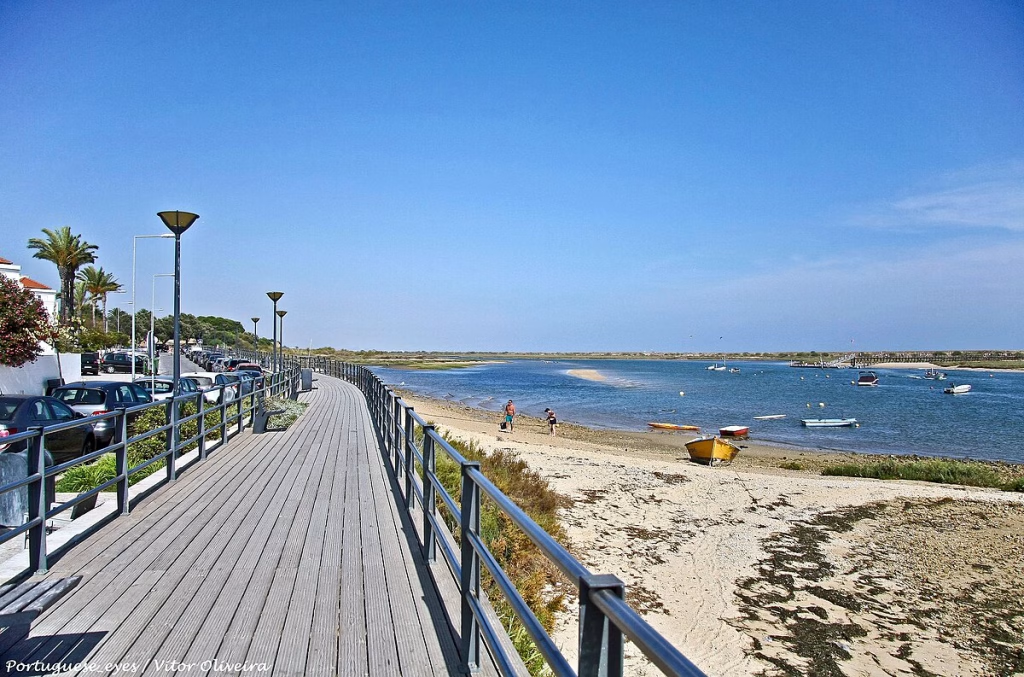
Cabanas de Tavira, once a bustling fishing port, has transformed into a serene village that still honors its maritime roots. The village’s proximity to the Ria Formosa Natural Park allows for sustainable fishing practices that support both the local economy and the ecosystem.

Visitors can explore the traditional wooden boats, known as “xávega,” used for beach seine fishing, and learn about the techniques passed down through generations. The village’s commitment to preserving its fishing heritage is evident in the community’s efforts to maintain the ecological balance of the lagoon.

Crafting Traditions: From Pottery to Weaving

Beyond fishing, the eastern Algarve is a cradle for traditional crafts. In towns like Loulé, crafts such as ceramics, cataplana making, and weaving are being revived by the local community. Older generations pass down their expertise to the younger ones, ensuring the continuation of these important cultural traditions.

These crafts are not only artistic expressions but also serve as a means of preserving the region’s cultural identity. Visitors can explore local workshops and markets to witness these crafts in action and perhaps take home a piece of the Algarve’s rich heritage.

Conclusion

The fishing villages of the eastern Algarve offer more than picturesque landscapes; they provide a window into a way of life where tradition and nature coexist harmoniously. From the octopus pots of Santa Luzia to the shellfish markets of Olhão and the artisanal crafts of Loulé, these communities embody a deep respect for the sea and its resources.

For those seeking an authentic experience of Portugal’s coastal culture, a visit to these villages promises stories, traditions, and crafts that have stood the test of time.
Eastern Flavours – From Cabanas to Monte Gordo

Exploring the eastern coast of the Algarve offers more than just beautiful beaches and natural parks—it’s also a journey through some of the region’s most inviting food spots. From Cabanas de Tavira to Monte Gordo, here’s a curated list of relaxed but flavourful places to eat and drink along the way.

AL.FAMA – Cabanas de Tavira
Just a few steps from the boardwalk in Cabanas, AL.FAMA impresses with its fresh take on traditional Algarve cuisine. The restaurant, previously known as Essência, offers a polished yet casual experience. With stylish decor, knowledgeable staff and a menu that mixes regional classics with inventive touches, it’s already gathering a loyal following.

Noélia – Cabanas de Tavira
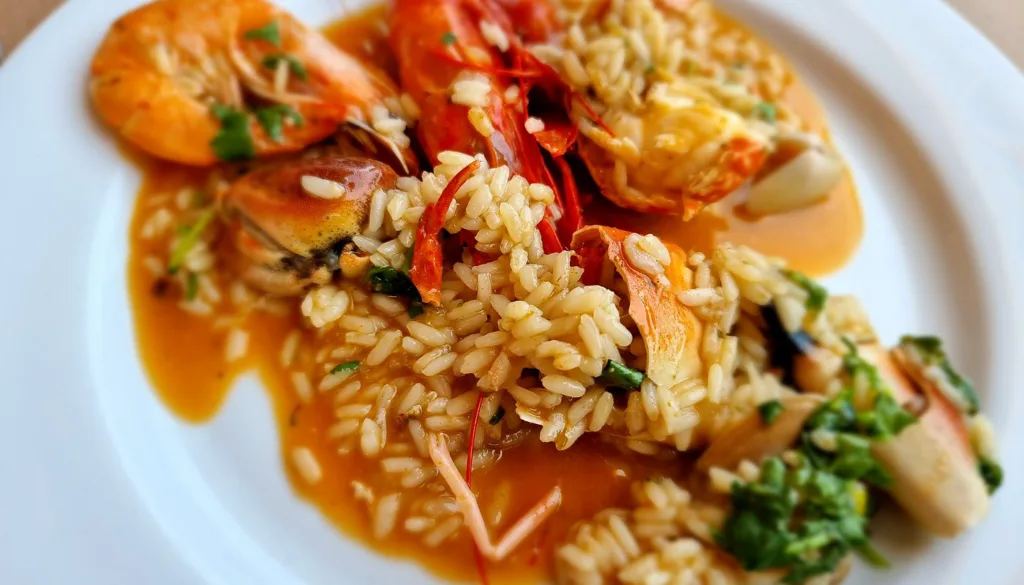
Arguably the most famous restaurant in the area, Noélia e Jerónimo has earned its reputation as a gastronomic must-visit. Chef Noélia Jerónimo elevates local ingredients into beautifully balanced dishes—her octopus rice, razor clam soup, and prawn açorda are beloved by critics and loyal guests alike. Despite the acclaim, the setting remains warm and relaxed. Advance reservations are essential, especially in summer.

Quasi Bar – Cabanas de Tavira
Newly renovated and with one of the best terraces in town, Quasi Bar is a rising favourite for afternoon drinks and easy tapas. The bar offers an inviting mix of style and comfort with views across the lagoon. It’s the kind of place where you end up staying longer than planned.

Fábrica do Costa – Sítio da Fábrica
A timeless spot for seafood lovers. Located in the tiny coastal village of Fábrica, this restaurant is well known for its grilled fish and local dishes. The atmosphere is down-to-earth, but the food—especially the clams and octopus—is consistently excellent. Book ahead or prepare to wait during weekends.

Infante Panorâmico – Praia Verde
For a more refined experience, head to Praia Verde. Set inside the Praia Verde Boutique Hotel, Infante Panorâmico offers a minimalist dining room with large glass windows and panoramic views. Expect creative takes on Algarvian recipes, with standout fish and a thoughtful wine list. Perfect for a sunset dinner or long weekend lunch.

Restaurante Muxama – Monte Gordo
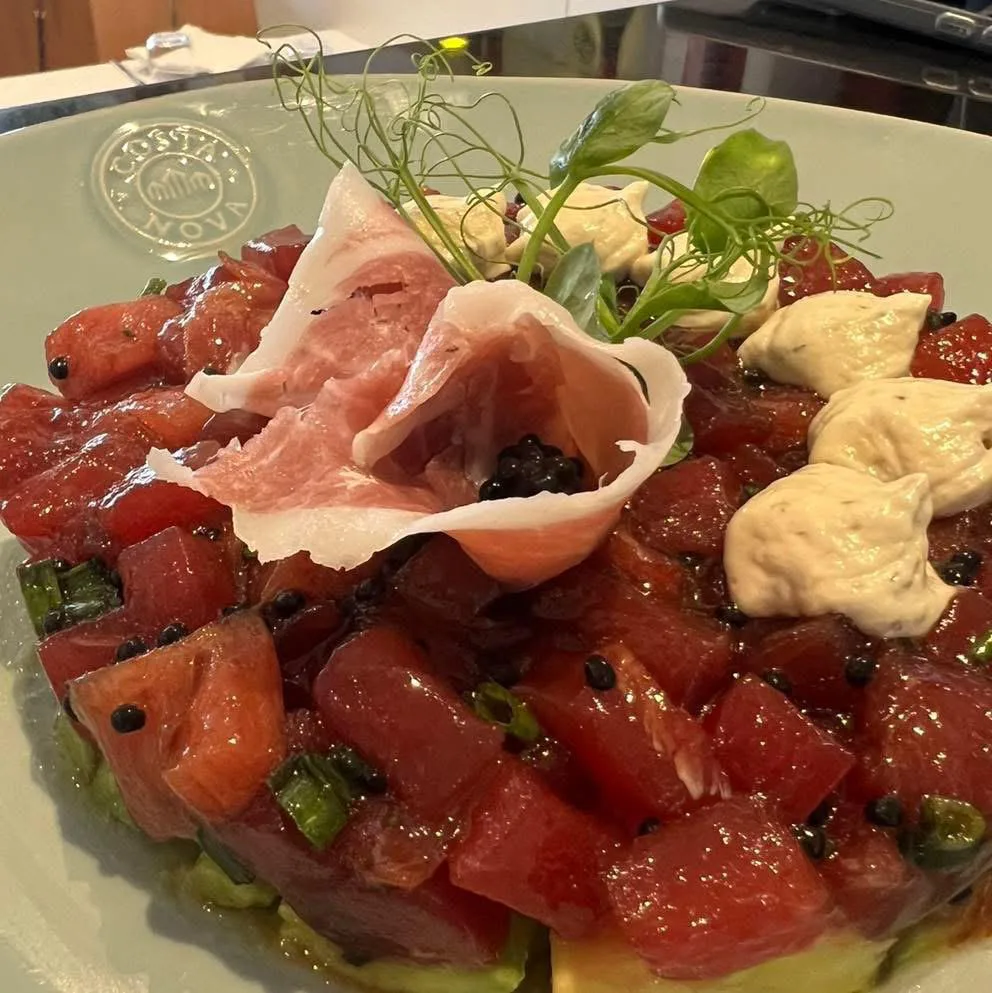
Right by the beach in Monte Gordo, Muxama blends relaxed vibes with quality cooking. Their focus is on fresh fish and tuna-based dishes, like their signature muxama or cataplana. From mid-afternoon, they also offer an excellent tapas menu. It’s a great stop after a beach day or coastal walk.


Tip: Many of these places are open year-round, but in summer it’s wise to book ahead—especially at Noélia and Fábrica do Costa. Whether you’re after a romantic meal, a drink with a view, or an authentic fish lunch by the sea, the eastern Algarve delivers.

Praia de Cabanas – Relaxed Vibes by the Lagoon

Praia de Cabanas is a peaceful and charming beach located just east of Tavira, near the fishing village of Cabanas de Tavira . Shielded by the long barrier island of Ilha de Cabanas, the beach stretches along the Atlantic Ocean and offers soft golden sand, calm waters, and a slower pace than some of the more famous Algarve beaches.

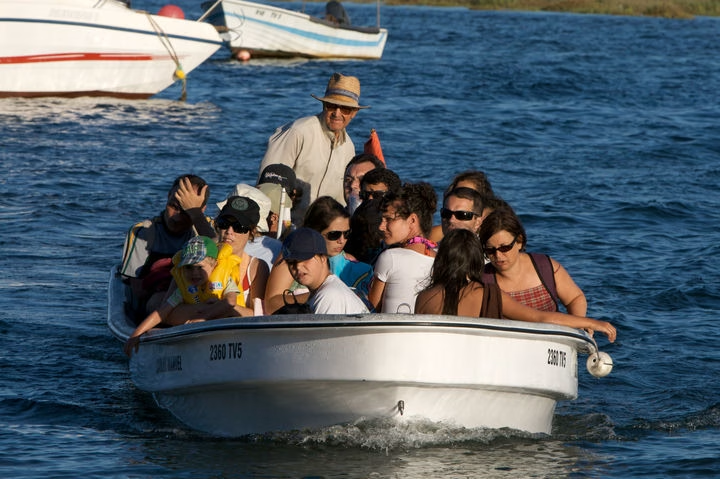
To reach the beach, you first cross the Ria Formosa lagoon by taking a short boat ride from the Cabanas waterfront—a journey that takes just a few minutes. Boats run frequently throughout the day and cost only a few euros. The crossing is part of the fun, offering scenic views of the fishing boats, the salt marshes, and the peaceful rhythm of local life.

Once on the beach, you’ll find it easy to unwind. There are sunbeds and parasols for rent in high season, a couple of beach cafés for drinks and snacks, and plenty of room to spread out. The sea here is usually calm, making it a good option for families with children or anyone looking for a gentle swim.

After your beach time, don’t miss the chance to explore Cabanas village itself. Its boardwalk, seafood restaurants, and laid-back charm make it a lovely spot for lunch or sunset drinks. Praia de Cabanas is perfect for those seeking a quiet beach day close to town, with a touch of local character.