 English (UK)
  Nederlands
  Français
  Español
  Português
Faith, Reconquest & Sacred Spaces
Tucked into Portugal’s eastern Algarve is the town of Tavira , where faith and history walk hand in hand. With roots reaching back to Phoenician and Roman eras, this riverside town became an essential Christian stronghold after the Reconquista—and churches sprang up like wildflowers. Tavira once had around 30–36 sacred buildings , keepers of stories layered in centuries.
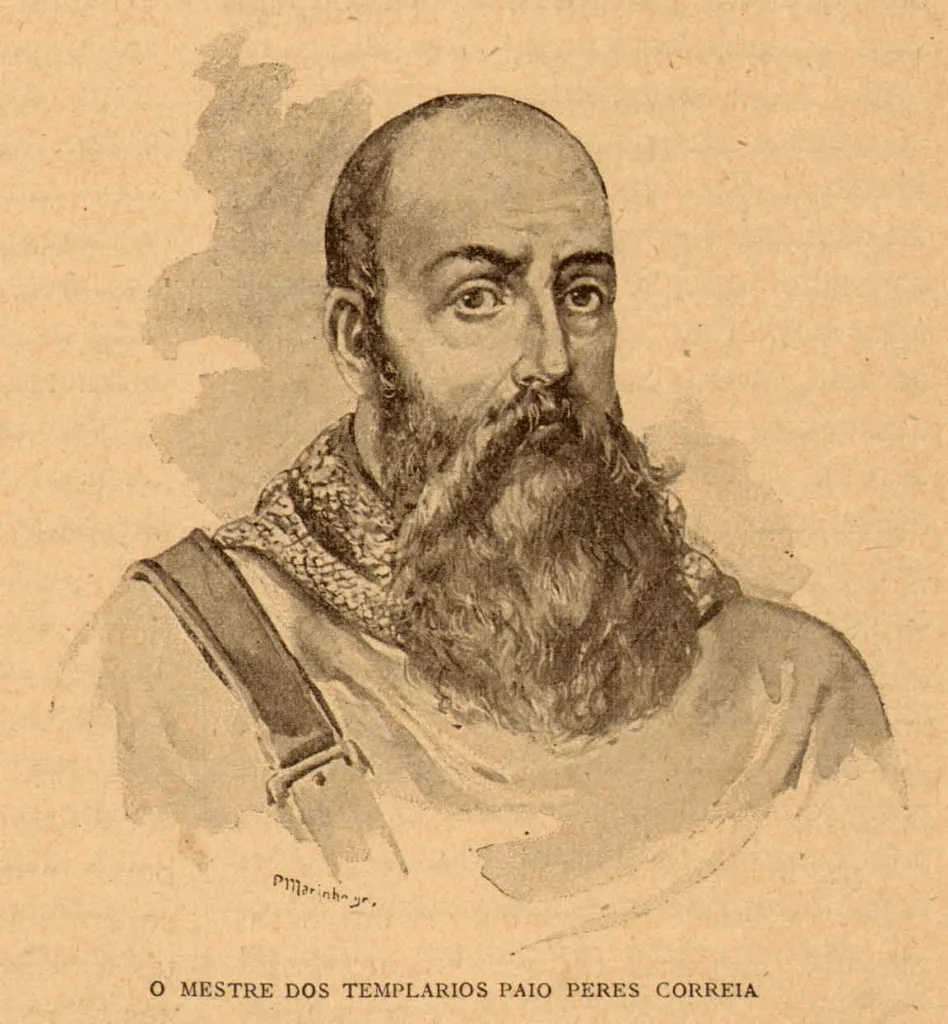
Among them, the most haunting may be Igreja de Santa Maria do Castelo . After Tavira was retaken in 1242 by Dom Paio Peres Correia and the Order of Santiago, a Gothic-style church rose from the ashes of a former mosque. According to local tradition, the remains of Correia and seven knights who died in battle rest inside, though historians debate the exact truth.
Then there’s Igreja da Misericórdia , built in the mid-16th century under the guidance of Renaissance architect André Pilarte (who also worked on Lisbon’s Jerónimos Monastery). The façade is a Renaissance gem; the interior dazzles with blue-and-white azulejo panels illustrating the 14 Works of Mercy, alongside carved saints and angels.
Beyond these major sanctuaries, Tavira’s religious life was shaped by a network of brotherhood chapels —such as the Ermidas of São Sebastião and São Roque, each representing civic, military, or trade groups. Though many fell into decay, their embedded stories still survive in stone and memory.
The Parishes, the Paths & Moorish Echoes
With its 21 churches under the main parish—and more belonging to brotherhoods and civic institutions—Holy Week in Tavira bursts with pilgrims, procession, and history, much of it visited from the riverbanks of the Gilão.
The parish of Santa Maria e Santiago holds much of this heritage. Igreja de Santiago , for example, stands near the castle and serves as the starting point of the Caminho Nascente—a pilgrim route to Santiago de Compostela, linking Tavira spiritually with broader European tradition.
On a deeper level, Tavira’s urban fabric still whispers of its Moorish past . The winding alleyways, flat‑roofed houses, horseshoe arches, twinned chimneys, and tile patterns echo an Islamic Medina that thrived here until the Reconquest in mid‑13th century. Several small museums and archaeological finds—including the famous “Tavira Vase”—attest to this layered legacy.
The Islamic Museum (Núcleo Museológico Islâmico) , housed in the Palácio da Galeria in the town centre, is a quiet beacon of that history: displaying ceramics, fragments, and daily‑life artefacts that remind us how deeply Moorish culture shaped this corner of the Algarve.
Why All These Churches?
So—why did Tavira need so many churches ? The town’s strategic importance during the 16th‑century Age of Discovery made it a spiritual hub. Religious orders, charities, municipal councils, and trade fraternities all erected their own sacred spaces. The town’s reputation as the “City of Churches” grew not just out of devotion, but civic structure, identity, and social life.
Final Thoughts
As you stroll across the elegant seven‑arched Gilão bridge —mythically called “Roman,” but likely rebuilt by the Moors—you’re walking between eras. Tavira is where Moorish streets meet Christian cathedrals , and the pilgrim path coexists with the daily now. Each chapel, each tile panel, each faded tomb is a thread in the story of a town shaped by faith, conquest and community.
Even if you just look out upon the cathedral towers rising behind azulejo‑draped rooftops, you can feel that Tavira isn’t just a place—it’s a town layered with history .
Credits & inspiration : This post draws on historical insights from Portugal Resident’s “The Religious History of Tavira – Part 1” and “The Parishes of Tavira – Part 2,” supplemented by archival and travel sources such as municipal and heritage records, and recent local‑history accounts