A Stroll Through Some Of The Markets of the Eastern Algarve

Tavira: The town center buzzes with markets. The Mercado Municipal de Tavira (Avenida Eduardo Mansinho) is open Monday–Saturday 7:00–13:00 (weekday), offering fresh fish, meats, fruits and vegetables from local producers. Beyond that, Tavira hosts special weekend markets: a monthly “Mercado Mensal” (farmers’ market) on the 3rd Saturday of each month at the old fairground in Vale Formoso, where vendors sell homegrown produce, plants, livestock and household goods. There’s also a bi-monthly Feira de Velharias (flea/antiques market) on the 1st and 5th Saturdays of the month around the municipal market. Here you’ll find antiques, crafts, clothing and bric-à-brac alongside the food stalls.

Tavira’s market hall stands at the heart of town life, surrounded by cafés and shops. Each Saturday special market brings out local farmers and artisans with produce and crafts

Moncarapacho: This village north of Tavira has a small daily municipal market (Monday–Saturday mornings) for local produce and fish, but its highlight is the Mercado Mensal (Gypsy market) on the 1st Sunday of each month. Held in the Largo do Mercado (next to the Torrinha football field), it brings out vendors selling clothes, handmade crafts, snacks, plants and various household items.

Estoi: A village just outside Faro, Estoi holds a large monthly market on the 2nd Sunday of every month. Located on Rua Vasco da Gama (near the old cemetery), it’s a classic farmers’ market with fresh produce, fruits, vegetables, local cheeses and sometimes livestock. The market runs morning hours (roughly 8:00–13:00) and draws villagers from the surrounding countryside

Fuseta (Olhão municipality): This seaside town has two notable monthly markets by the campground area. The Mercado Mensal (a gypsy/folk market) is held on the 1st Thursday of each month near the camping ground. Vendors set up stalls of clothing, leather goods, trinkets, and homemade foods (honey, chorizo, bread, etc.). On the 2nd Sunday of each month the Feira de Velharias de Fuseta takes place in the same spot. This flea market features antiques, collectibles, household wares and vintage items alongside stalls of crafts. (Note: in August these markets typically pause.) Aside: Fuseta also has a daily small market and fish stalls on the quay (Monday–Saturday).

.Santa Catarina da Fonte do Bispo: A quiet village north of Tavira, Santa Catarina comes alive with a Mercado Mensal on the 4th Sunday of each month. Located on Rua 1.º de Maio in the village center, this “Gypsy market” draws vendors selling fresh regional produce, handicrafts, clothes and accessories. Many farms from the Caldeirão hinterland bring fruits, vegetables and bakery items, making it a great place to taste local flavors.

Olhão: Renowned for its fishermen’s market, Olhão’s Mercado Municipal (Av. 5 de Outubro) operates every day except Sunday from around 7:00–13:00. Its west hall is the famous fish market (live shrimp, octopus, fresh catches), and the east hall is a produce market selling fruits, vegetables, cheeses, meats and deli items. On Saturdays the market area expands outdoors: starting early morning, farmers’ stalls line the waterfront in front of the market, offering fruits, veggies, honey, eggs and local specialties at bargain prices. This weekly fair often runs until early afternoon. It’s a feast for the senses – the air rich with sea-and-soil aromas, and streets bustling with locals and visitors alike.

Olhão’s handsome brick-market halls sit by the Ria Formosa. Inside are halls of fish and produce, while outside on Saturdays local farmers peddle vegetables, fruit, honey and more

Loulé: This town’s landmark is its red-and-white Moorish-style municipal market building (Praça da República). The Mercado Municipal de Loulé is open Monday–Saturday 07:00–15:00 , with vendors inside selling fresh fish, fruits, vegetables, bread, and traditional Algarve fare. The real draw for market-lovers, however, is the large Saturday farmers’ market . Every Saturday morning (7:00–13:00) the streets Ataíde de Oliveira and José Fernandes Guerreiro around the market fill with stalls of regional produce, honey, olives, textiles, pottery and craft. (Vendors set up early, so arrive by 9 AM for best variety.)

São Brás de Alportel: A hilltop town in the Serra, São Brás has its own farmers’ market on Saturdays 08:00–13:00 along Rua Boaventura Passos (near the main square). Locals come for seasonal fruits and vegetables, poultry and regional snacks. Also, on the 3rd Sunday of each month there is a Feira de Velharias e Antiguidades at Parque Roberto Nobre. This monthly flea market (“Serra fair”) draws antique dealers and craftsmen selling furniture, antiques, books, crafts and second-hand items. For tourists, visiting these markets is a great way to mingle with residents and discover rural Algarve traditions.
Seafood West of Tavira – Local Favourites in Santa Luzia, Pinheiro, Fuseta & Olhão

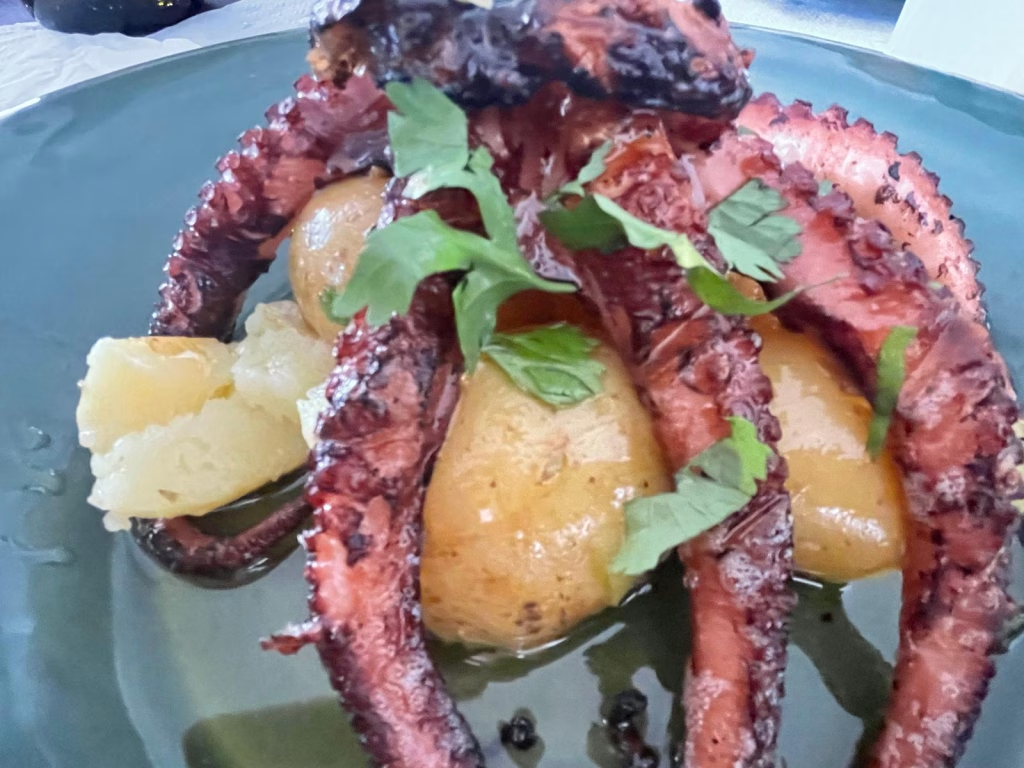
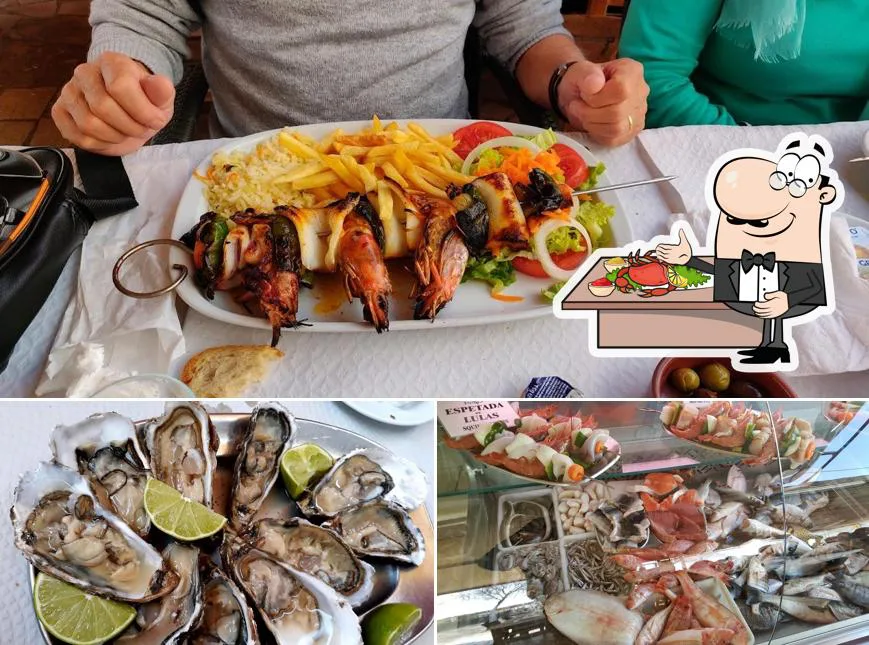
If you’re a seafood lover exploring the Eastern Algarve, don’t miss the culinary gems just west of Tavira. From charming fishing villages to vibrant coastal towns, this stretch offers some of the best spots to enjoy freshly grilled fish, octopus, and clams — often just steps away from where they were caught.

Santa Luzia is known as the octopus capital of Portugal. Here, Capelo stands out with its traditional Algarvean recipes and great views of the Ria Formosa. Also worth a visit is O Janota, a promising newcomer that’s already gathering attention for its creative takes on seafood and warm service. It’s becoming a favourite with both locals and visitors.

Just down the road in Pinheiro , a tiny village next to the Ria Formosa, you’ll find Os Fialhos. This family-run tasca is popular with local fishermen and is the real deal when it comes to simple, honest fish dishes. Think grilled dourada or sardines served with potatoes and salad, all at very reasonable prices.

In Fuseta , Casa Corvo is almost an institution. No frills, no reservations — just grilled fish done perfectly, right on the quay. Sit at the outdoor tables, enjoy the sea breeze, and pick your fish straight from the counter.

Lastly, in the bustling fishing town of Olhão , Sabores da Ria is a local favourite located near the market halls. Expect fresh clams, razor shells, and octopus rice — all served with a local touch and a casual atmosphere. It’s a great place to enjoy a long, relaxed lunch after visiting the town’s markets.

Whether you’re in the mood for fine seafood, rustic tasca vibes, or a family-friendly grill, these stops west of Tavira offer a tasty and authentic Algarve experience.

The Eastern Algarve – A Slow Indulgence in the Soul of Sotavento

Sotavento , the “leeward” side of the Algarve, whispers rather than shouts. Stretching from Faro to the Spanish border, this serene region invites you not just to visit, but to savour —with all your senses. This is the Algarve for those who enjoy life slowly, with a good glass of wine in hand and the scent of wild herbs on the breeze.

Here, the Ria Formosa Natural Park unfolds like a living painting—salt pans shimmering in the sun, flamingos wading through brackish shallows, and wooden boardwalks leading to island beaches so pristine they feel undiscovered. Whether you kayak its channels or drift aboard a traditional boat, the lagoon offers both stillness and adventure.

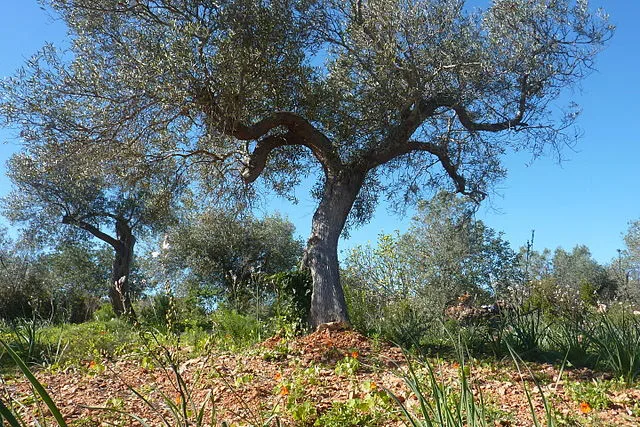
But Sotavento’s pleasures are rooted in the land as much as the sea . Visit a working olive grove near Tavira , where the fruit is still cured in sea salt and patience. Or tour local wineries , like Casa Santos Lima’s new tasting room just outside town, where Tavira’s own terroir is bottled into smooth reds and crisp whites, best enjoyed with local cheese and fresh bread. It’s not just wine tasting—it’s a sensory celebration.

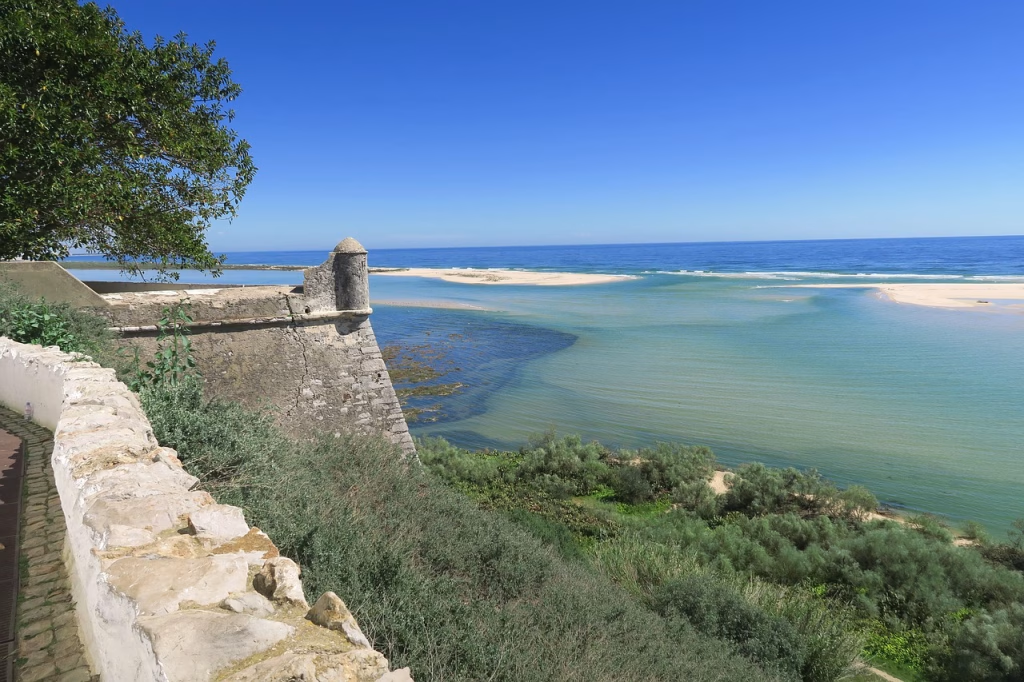
Indulge in long lunches in Santa Luzia , the octopus capital, or enjoy fresh oysters in Fuseta , harvested only hours before they reach your plate. Markets in Olhão and Loulé offer everything from heirloom tomatoes to handmade ceramics. And in between tastings, take time to explore timeless villages like Cacela Velha , where cobbled streets end in panoramic views over the sea.

This isn’t the mass-market Algarve of brochures. This is authentic Portugal , rich in flavour, texture, and gentle discovery. A region where luxury lies in simplicity —a shaded terrace, a well-cooked meal, the kindness of a shopkeeper, the cool hush of an old church.

Let Sotavento surprise you. Not only with spectacle, but with soul too. And once you’ve tasted its rhythm, you may never want to leave.

Shopping in Olhão – Markets, Makers, and Maritime Charm

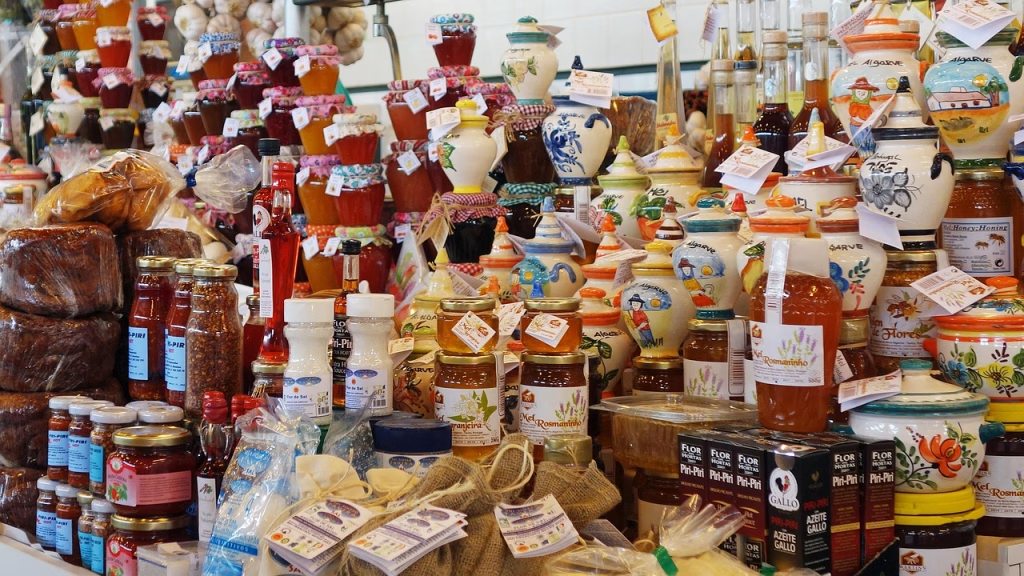
Olhão is a coastal town known for its strong fishing heritage and its bustling Mercado de Olhão , which sits right by the waterfront. This market is one of the most iconic in the Algarve, with two red-brick buildings full of local products: one dedicated to fresh fish and seafood, the other to fruit, vegetables, meat, and delicacies like fig compote and carob liqueur. On Saturdays, the outdoor market fills up with local farmers and artisans.

Beyond the market, wander through Olhão’s narrow streets and you’ll find small boutiques, ceramic studios, and shops selling cork products, lace, and hand-painted azulejos. It’s a place where shopping feels like discovery—many of the best finds are tucked between traditional townhouses and lively cafés.

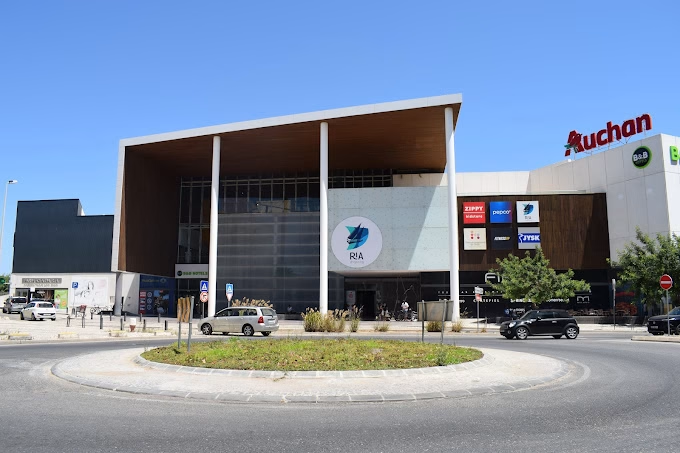
For more variety, head just outside town to the Ria Shopping Center . While small compared to Faro’s Forum Algarve, it features essentials like clothing shops, tech stores, and a supermarket—ideal if you’re staying nearby.

Olhão also hosts regular artisan fairs and events in the summer months, where local artists and craftspeople present their work—from jewelry to home décor, much of it inspired by the sea and the nearby Ria Formosa.

Address Highlights:

  • Mercado de Olhão – Avenida 5 de Outubro, 8700-307 Olhão
  • Ria Shopping – Estrada Nacional 125, 8700-137 Olhão