The Spirit of Celebration: Religious Festivals & Processions in the East Algarve (2026 Edition)


If you think the Algarve is just beaches and sunshine, think again. The soul of southern Portugal beats strongest in its festivals — where faith, colour, and community come together in streets scented with flowers and incense.

From the solemn beauty of Easter week in Tavira to the flamboyant joy of Carnival in Loulé , and the candlelit calm of Christmas , 2026 promises a year rich with processions, music, and ancient traditions that tell the story of the Algarve’s deep Catholic roots.

Here’s your insider’s guide to the most moving — and most photogenic — celebrations across the East Algarve and Loulé .


Why These Festivals Matter

Religious festivals in Portugal aren’t museum pieces. They’re living traditions — shaped by faith, sea, and history.

In the East Algarve, where fishing villages meet baroque churches and cobbled lanes, religion still weaves into daily life.

During Holy Week, the streets glow with candlelight. In summer, saints are paraded beneath paper flowers. And in February, Loulé bursts into feathers and samba for Carnival — a joyful rebellion before Lent begins.

Whether you come for the pageantry or the meaning, each celebration offers a glimpse into the Algarve’s most authentic side.


✨ 2026 Calendar of Major Festivals & Processions in the East Algarve + Loulé

DateEventWhat HappensWhere
February 15–17, 2026 Carnival (Carnaval) Three days of parades, floats, music, and laughter before Lent. Loulé’s parade is legendary — Portugal’s oldest, filled with satire, sequins, and samba beats.Loulé (also smaller parades in Tavira & Moncarapacho)
February 17, 2026 Shrove Tuesday The grand finale of Carnival. Streets fill with confetti and costumes before the fasting of Lent begins.Loulé, Olhão, Tavira
March 29 – April 5, 2026 Semana Santa (Holy Week) The heart of the religious year. Includes Palm Sunday, Maundy Thursday, Good Friday processions, and joyful Easter Sunday.Tavira, Santa Luzia, Cacela Velha, and Loulé
April 5, 2026 Easter Sunday (Páscoa) The most important Christian celebration. Tavira’s churches are packed for morning Mass, followed by family lunches and sweet “folar” bread.Tavira & throughout Algarve
April 5–19, 2026 Festa da Mãe Soberana The “Festival of the Sovereign Mother” — an extraordinary Easter-time procession of devotion in which the Virgin Mary’s statue is carried uphill amid music and fireworks.Loulé
June 4, 2026 Corpus Christi Processions of the Blessed Sacrament through streets decorated with flower carpets — a beautiful, deeply symbolic feast.Tavira & surrounding parishes
June 13, 2026 Feast of Saint Anthony (Santo António) The matchmaker saint! Expect music, garlands, and local fairs.Tavira, Olhão, small villages
August 15, 2026 Assumption of Mary (Nossa Senhora da Assunção) A major national holiday honouring the Virgin Mary. Coastal towns hold sea processions where fishermen bless their boats.Tavira, Loulé, Santa Luzia
September (TBC) Local Patron Saint Festivals Every parish honours its own patron saint — often with processions, fireworks, music, and grilled sardines!Various villages across East Algarve
December 8, 2026 Immaculate Conception (Imaculada Conceição) Marian processions and church celebrations leading into Christmas season.Tavira & Loulé churches
December 24, 2026 Christmas Eve – Missa do Galo (Midnight Mass) The “Mass of the Rooster” at midnight. Expect full churches, candlelight, carols, and community warmth — followed by family dinners and Portuguese Christmas sweets.Tavira, Loulé, and all parishes
December 25, 2026 Christmas Day (Natal) Morning Mass followed by family feasts and gift-giving. Tavira’s riverfront lights and nativity displays make it extra magical.Throughout the East Algarve

Carnival: Portugal’s Joy Before the Fast

Let’s start with the loudest one!

Carnival (Carnaval) in the Algarve is technically tied to the Christian calendar — it happens just before Lent — but don’t expect quiet prayer. This is Portugal’s party season, and Loulé steals the show.

Picture floats swirling with dancers, brass bands, satire, feathers, and samba rhythms — all with a cheeky Portuguese sense of humour. It’s colourful, creative, and completely contagious.

While not a “religious procession” in the strict sense, Carnival is part of the spiritual rhythm: a joyful farewell to indulgence before Lent’s 40 days of reflection.


Semana Santa: Tavira’s Holy Heart

If you want to feel the emotional core of the Algarve, visit Tavira during Holy Week (Semana Santa) .

  • Palm Sunday (March 29) marks the beginning, with parishioners carrying woven palm crosses through Tavira’s old streets.
  • Maundy Thursday & Good Friday (April 2–3) bring processions of silence, torches, and the haunting Via Sacra — the Stations of the Cross reenacted through the cobbled centre.
  • Easter Sunday (April 5) turns grief to joy as church bells ring across the rooftops.

Even if you’re not religious, the beauty and sincerity of it all are unforgettable.


Loulé’s Deep Devotion: Festa da Mãe Soberana

Just west of Tavira lies Loulé , where faith and spectacle collide every Easter season.

The Festa da Mãe Soberana — the Festival of the Sovereign Mother — is one of Portugal’s most extraordinary processions. A statue of the Virgin Mary is carried down from her sanctuary on Easter Sunday (the “Small Feast”) and then returned two weeks later in a breathtaking uphill procession (the “Big Feast”).

Men dressed in white bear the statue on their shoulders while crowds cheer, church bells ring, and fireworks light the sky. It’s raw, emotional, and pure devotion.


Summer Saints & Flowered Streets

By summer, the tone changes. Out go the candles; in come garlands, music, and village feasts.

  • Corpus Christi (June 4) decorates the streets with petals in geometric patterns.
  • Feast of St. Anthony (June 13) brings bonfires, dancing, and grilled sardines.
  • Assumption of Mary (August 15) fills coastal churches with flowers — and sometimes sees fishermen blessing their boats.

Every village has its own festival calendar, so if you’re exploring the countryside, ask locals when “a festa do padroeiro” (patron saint festival) happens — you might stumble into fireworks, folk dancing, and midnight feasts.


Christmas in the Algarve: Faith, Family & Candlelight

And finally — the year ends just as beautifully as it began.

In December, the East Algarve glows with Christmas lights, nativity scenes (presépios) , and the warmth of community. Churches open their doors for Missa do Galo , the midnight “Mass of the Rooster,” one of Portugal’s most heartfelt traditions.

Tavira’s old town sparkles with riverside light displays and a large presépio near the Roman Bridge, while Loulé fills its square with carols and a charming Christmas market.

It’s a peaceful, soulful time — a reminder that the Algarve’s faith isn’t just seen in grand processions, but felt quietly in the glow of candles on Christmas Eve.


Visiting Tips for 2026

  • Plan ahead: Many events follow the church calendar, which shifts yearly.
  • Dress modestly: Even outdoor processions are acts of worship.
  • Join respectfully: Walk alongside locals, avoid flash photography during Mass.
  • Check parish updates: Tavira’s and Loulé’s tourism offices post schedules each spring.
  • Combine with culture: Pair a procession with a market visit, a seafood lunch, or a sunset boat trip on the Ria Formosa.

Final Thoughts

The East Algarve’s religious calendar tells a story of joy, loss, renewal, and belonging — the same rhythm that shapes Portuguese life.

Whether you’re swept up in the glitter of Loulé’s Carnival , moved by the candlelight of Tavira’s Good Friday , or touched by the stillness of Christmas Eve , you’ll witness something timeless: the beating heart of the Algarve, shared through faith, music, and warmth.

So when you plan your 2026 Algarve escape , leave room for more than beaches.
Come for the processions. Stay for the spirit.

Cooking with Flor de Sal de Tavira: 5 Simple Local Recipes to Try

If you’ve wandered the salt pans of Tavira—or even just browsed the shelves of local markets—you’ve likely come across those elegant little pouches or jars labeled “Flor de Sal de Tavira.” But what exactly is it? And why do chefs (and grandmothers) treat it like kitchen gold?

Let’s dive into this natural treasure of the Algarve, and discover five simple, local recipes where its magic truly shines.


🧂 What Is Flor de Sal?

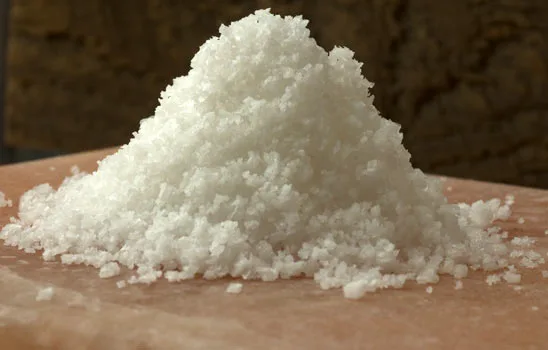
Flor de Sal (literally “flower of salt”) is the delicate crust of salt crystals that forms on the surface of salt pans on hot, dry, windless days. Harvested by hand using traditional wooden rakes , it’s a labour-intensive process requiring just the right weather, timing, and skill.

Tavira’s flor de sal is especially prized because:

  • It’s 100% natural , unwashed and unrefined.
  • Harvested in the Ria Formosa Natural Park , a biodiverse, protected wetland.
  • Recognised under Protected Designation of Origin (PDO) status—meaning it’s as region-specific as Port wine or Parmigiano.

Compared to common table salt or even coarser sea salt:

  • Flor de Sal is flaky, crunchy and melts slowly , giving dishes a finishing sparkle.
  • It contains more trace minerals like magnesium and calcium.
  • It’s never cooked , preserving its subtle marine flavour.

🍅 5 Easy Algarve-Inspired Recipes Using Flor de Sal

1. Algarvian Tomato Salad with Oregano & Onion

Fresh summer tomatoes, red onion slivers, local olive oil, and a generous sprinkle of Flor de Sal . That final crunch? It lifts the entire salad.

🌿 Optional: Add fresh or dried oregano from the Tavira hillsides.


2. Grilled Sardines with Lemon & Salt Crust

After grilling sardines over charcoal (as the locals do), finish with a squeeze of lemon and a scattering of Flor de Sal . It adheres beautifully to the hot skin and enhances the fish’s natural oils.


3. Piri-Piri Chicken Rub

For a quick Algarve-style rub: mix crushed garlic, smoked paprika, olive oil, piri-piri chili, and Flor de Sal . Massage into the chicken and grill. The salt flakes add both texture and flavour during cooking.


4. Olive Oil & Salt Dipping Bowl

Simple but sublime: serve high-quality Portuguese olive oil with a pinch bowl of Flor de Sal for dipping your pão caseiro (rustic bread). A local go-to at tasquinhas and home kitchens alike.


5. Carob Brownies or Chocolate Tart with Salt Finish

Local alfarroba (carob) flour gives deep cocoa notes. Add a pinch of Flor de Sal on top of brownies or tart before baking—or immediately after. The salt balances sweetness and adds a gourmet edge.


📍 Where to Buy It

Look for authentic Flor de Sal de Tavira (PDO) from trusted producers like in Mercado Municipal de Tavira

Pro tip: Flor de Sal makes a perfect edible souvenir—small, authentic, and easy to pack!


👩‍🍳 Taste Tavira Tip

We always keep a small jar of Flor de Sal next to the stove—not for boiling pasta, but for that final flourish. It’s about layering flavour, respecting ingredients, and celebrating the land they come from.


Flor de Sal isn’t just salt. It’s sunlight, sea breeze, and centuries of tradition captured in one bite.

Exploring Tavira with a Local Guide – Unique Tour Ideas to Inspire Your Stay

Tavira may be known for its slow rhythms and salt-tinged air, but that doesn’t mean you have to sit still. Whether you’re here for a weekend or a sun-drenched season, there are guided activities that can add colour and curiosity to your Algarve experience. From boat rides to food experiences and even storytelling walks, Tavira offers more than meets the eye.

Below are a few handpicked guided tours and activities that have caught our attention recently. Please note: these suggestions are inspirational only , as we have not personally verified each provider or experience. Availability, quality, and language options may vary — we always recommend double-checking reviews and details before booking.


🚤 Explore the Waterways

Tavira’s soul is deeply tied to the Ria Formosa — the protected lagoon system that runs along the eastern Algarve coast. Several tour operators offer:

  • Dolphin watching boat tours departing from Cabanas or Santa Luzia
  • Solar-powered eco-cruises through the salt pans and barrier islands
  • Sunset sailing with tasting menus on board , perfect for couples or small groups
  • Private boat charters to Ilha de Tavira or Praia do Barril

These are ideal for nature lovers, birdwatchers, or anyone wanting a quiet escape from the mainland.


🛺 Discover Tavira by Tuk-Tuk

Yes, tuk-tuks aren’t just for Lisbon. Tavira has a few electric tuk-tuk companies offering private city tours with local guides. These typically include:

  • A stop at Tavira Castle and panoramic viewpoints
  • Visits to historical churches like Santa Maria and Misericórdia
  • Optional add-ons like the Tuna Museum at Arraial Ferreira Neto

Tours range from 30 minutes to 2 hours and can often be tailored to your interests.


🍷 Taste & Learn: Olive Oil and Culinary Tours

Want a deeper taste of the region? Consider:

  • An olive oil mill visit with tasting — where you’ll learn about traditional and modern pressing methods
  • A culinary market tour and cooking class , where you’ll prepare a local “cataplana” dish from scratch
  • Winery visits in the wider Sotavento region, often paired with cheese and charcuterie tastings

These tours often include transport and are typically held in small groups or private sessions.


🐎 Horseback, Hiking & Hidden Stories

Prefer your adventures on land?

  • Explore Ria Formosa or the countryside by horseback , with sunrise or sunset rides from nearby stables like Quinta do Alvisquer Centro Equestre .
  • Join a guided storytelling walk through Tavira’s historic centre , uncovering legends, ruins, and forgotten trades
  • Or try a whole day trip hike to the famous Benagil sea caves or the stunning “Seven Hanging Valleys Trail” (1 hour cardrive west of Tavira)

These tours may require a bit more fitness but are perfect for those who want to connect with the Algarve’s landscapes and history.


📱 Where to Find & Book Guided Tours

Many of these activities can be booked via well-known platforms such as:

  • GetYourGuide – wide range of boat tours, tuk-tuk rides, and excursions
  • Civitatis – reliable for city and nature-based tours, especially in Spanish and English
  • Viator – offers both small group and private tours
  • Local providers like Solar Moves , and Genuine Algarve also offer direct booking on their own websites

Always check if your preferred activity is available in your language and confirm the departure point , as some listings may refer to nearby towns like Olhão or Faro.


Final Notes

We love that Tavira continues to offer a mix of relaxed charm and hidden experiences — if you’re in the mood to explore, these guided activities are a great way to connect with the region’s nature, food, and history.

While these tours are not officially endorsed or reviewed by me I hope they serve as a helpful starting point for planning your next outing. Let us know if you try any of them — or if you find a gem worth sharing!

Tasting Tavira’s Salt Soul: A Visit to the Historic Salt Pans

There are many things that sparkle in the Algarve sun—ceramic tiles, whitewashed rooftops, chilled vinho verde… But none quite like the salt flats of Tavira. Just a short walk or cycle from the old town, these shallow pools shimmer with a history and craft that stretch back centuries. If you’re curious about where your flor de sal comes from—and you fancy a peaceful stroll with flamingos for company—this is your sign to explore Tavira’s salty soul.


✨ Ancient Tradition in Every Grain

Tavira’s salt pans have been used for salt production since Roman and Moorish times . Even today, the process remains charmingly low-tech: sun, sea, and wind do most of the work, while local salt workers—called marnotos—rake the gleaming crystals by hand.

The real treat? Flor de Sal de Tavira . This delicate salt “flower” forms on the surface and is skimmed gently using wooden tools. No additives, no industrial machinery. Just pure, sea-born flavour.


🚶 How to Visit (And When To Go)

You can explore the salt flats freely by walking or cycling along the Ecovia Litoral trail . From Taste Tavira AL , head toward R. Eng. João Bruno da Rocha Prado, and continue on gravel paths. Best times? Early morning or sunset , when the pools glow pink and gold. July, August, September and early October are the harvest months.


📏 Birds, Colours & Calm

The salt pans aren’t just about salt. They’re part of the Ria Formosa Natural Park , a Ramsar-designated wetland teeming with birdlife. Depending on the season, you might spot flamingos, herons, avocets or even spoonbills, wading delicately between the glinting pools.

And then there’s the colour: subtle pinks, dreamy turquoise, even rusty reds—all caused by natural algae and minerals. Bring your camera, or better yet, a moment of stillness.


🚢 Want to Go Further?

If you prefer a deeper dive, local outfits like Monte da Ribeira (near Estoi, by car) offer sometimes guided salt-harvesting experiences (€28), complete with tools, history, and hands-on raking (yes, you can try it!). Check for actual information.

Or visit Salinas do Grelha (Olhão), where you can also float in a mineral-rich salt lagoon (think Dead Sea… but Algarvian!).


🌿 Salt That Tells a Story

Back in town, look for locally harvested flor de sal at artisan shops or farmer’s markets. This is salt that speaks of place: sea air, sun-drenched patience, and the quiet determination of marnotos.

A visit to Tavira’s salt pans isn’t loud or flashy. It’s slow, grounding, and strangely moving. Just you, the wind, the birds, and a glint of salt underfoot.