Moorish Waterwheels in Tavira: History, Hidden Trails & a Local Gem Near Taste Tavira AL

You may walk past one without noticing. A rusted wheel, half-buried in bougainvillea, wooden buckets barely holding on, and a mysterious circular track on the ground. Yet what you’re seeing is part of an ancient irrigation system — a nora, or Moorish waterwheel — that has quietly shaped the Algarve landscape for centuries.

These beautiful relics from Islamic Iberia are more than a curiosity. They are a reminder of Tavira’s layered past, its agricultural genius, and its connection to the rhythm of water and land. And the best part? One of them is hidden just 50 metres from our front door at Taste Tavira AL .


🏺 From Al-Andalus to Algarve: The Origins of the Nora

The nora (from Arabic: ناعورة na‘ūra) was introduced to the Iberian Peninsula during the Moorish period, between the 8th and 13th centuries, when Islamic rule flourished in the Algarve. The Moors brought with them advanced water management techniques — from terraced farming to cisterns, and of course, waterwheels.

Unlike vertical mills used for grinding grain, the nora is a horizontal irrigation system. Powered by animal strength — typically donkeys, mules, or oxen — the wheel turned continuously, lifting water from a well via a loop of clay or wooden buckets.

Technical detail:
Each turn of the wheel could lift several litres of water from as deep as 10 meters and even more, spilling into aqueducts that distributed the water across terraced fields of figs, carob, almonds, and olives.

Many of these systems remained in use well into the 20th century. Today, most stand still — silent witnesses to a time when water, not Wi-Fi, was the most precious resource.


🧭 Discover a Waterwheel Near Taste Tavira AL

Right at the corner of Rua Maria de Lurdes Braga Teixeira and Rua de Santo Estêvão , you’ll find a small, hidden gem: a complete nora with its original donkey wheel, gear system, and even the wooden buckets still intact . I discovered it on a quiet morning walk, and now it’s a stop I recommend to every curious guest.

It’s tucked against a white wall, just behind some garden fencing — easy to miss if you’re not looking. But once you spot it, you’ll see the full mechanism: the gear cogs, the track where the donkey walked, and even the faded wood where hands once repaired the rig.

Another small wonder lies just down the road, in Rua Manuel Virgínio Pires , on the small square that leads to the “Secret” restaurant of Jorge and Lia . Here, a deep Moorish-style well reminds us of the silent systems that sustained entire communities — cool water, drawn by hand or beast, in the hot Algarve sun.

These waterwheels weren’t just about function — they were engineering landmarks. The wheel at the highest point of the backland trails likely served several small farms. Water flowed by gravity to lower fields, guided by narrow stone channels still visible if you venture off the main paths by foot or by bike


By Bike or Car: Spotting Wells Across the Landscape

As you drive or cycle through Tavira’s rural backroads keep your eyes open: water wells are everywhere . Dotted across farmland, tucked between citrus trees or hidden behind crumbling stone walls, these stone-ringed wells are a quiet but powerful sign of the Algarve’s agricultural soul.

Many of these wells are dry now, but they remain — in circles of stone, rusted pulleys, and the occasional crank still intact — a kind of archaeological poetry in plain sight . Whether on foot, bike, or behind the wheel, it’s a slow adventure of looking closely and letting the land tell its story.


🌿 Why These Waterwheels Still Matter

In today’s age of apps and automation, it’s humbling to see how water was lifted, bit by bit, using nothing more than gravity, animal power, and ingenuity. These systems shaped Tavira’s fertile valleys and made year-round farming possible in a sun-baked region.

They are also architectural hybrids : a blend of Roman engineering and Arab design. You’ll find them nowhere else in Europe quite like this.


📸 Photo Suggestions for Your Facebook or Insta

  • Detail shot of the rusted gear teeth
  • The turning circle where the donkey walked
  • Side-by-side comparison: modern pump vs nora
  • Old map overlay of irrigation systems
  • Soft light silhouette with bougainvillea background

✨ Final Thought

So next time you’re in Tavira Tavira AL, pause beside that old wheel. Feel the sun on your back, the quiet buzz of insects in the dry air — and listen, just maybe, for the echo of hooves and the splash of water in motion. The noras may have stopped turning, but their story is still flowing.

🏰 Tavira Churches by the Castle: Gothic, Manueline & Baroque Charm

Tavira’s historic castle is more than a viewpoint—it’s the starting point for discovering four remarkable churches that weave together stories of conquest, artistry, and centuries of devotion. Lace up your walking shoes and let’s explore.


1. Igreja de Santa Maria do Castelo

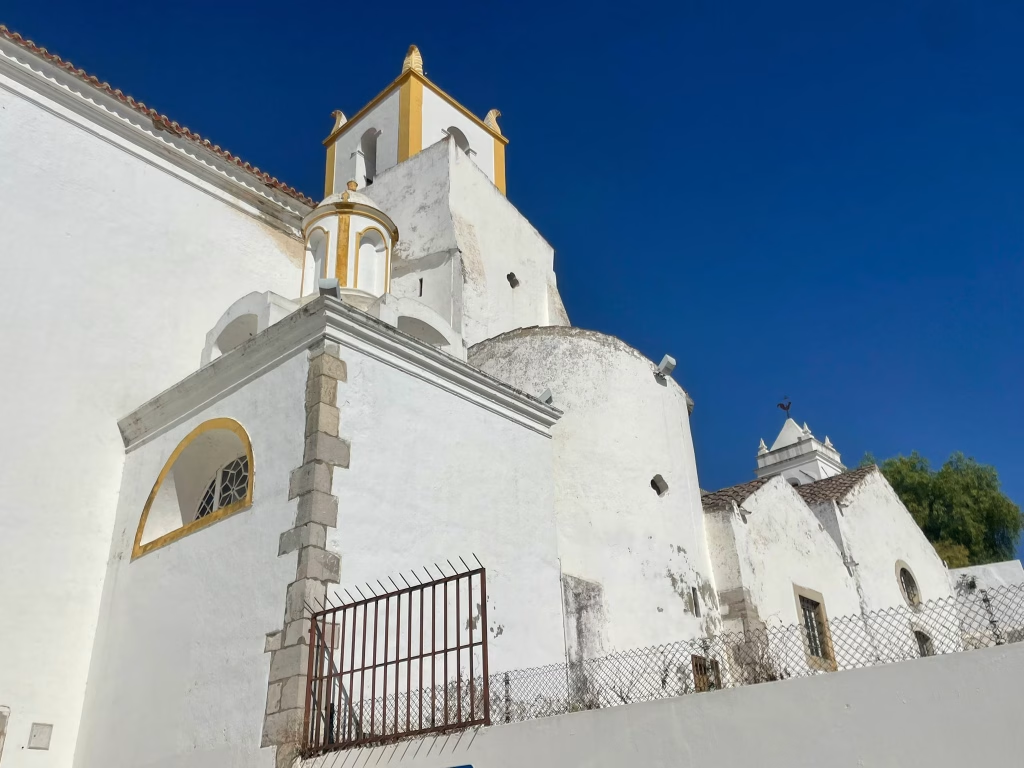
Perched high beside the castle ruins, this church was originally built in the 13th century on the site of a former mosque, shortly after Tavira’s reconquest by D. Paio Peres Correia. Though reconstructed after the devastating 1755 earthquake, it preserves a Gothic portal, a Manueline chapel (Senhor dos Passos), and standout Baroque altarpieces. Inside, you’ll find the tombs of seven knights and D. Paio himself. It’s a National Monument blending medieval, Renaissance and Neoclassical layers in a single sanctuary.

2. Igreja de Santiago

A short walk from Santa Maria, this unassuming church dates from around 1270 and serves as the first stop on the Camino Nascente—Tavira’s pilgrimage route toward Santiago de Compostela. Post‑earthquake rebuilds have softened its exterior, but inside you’ll find historic altarpieces and paintings rescued from Tavira’s former convents. It’s a spiritual threshold worth pausing before exploring.

3. Igreja da Misericórdia

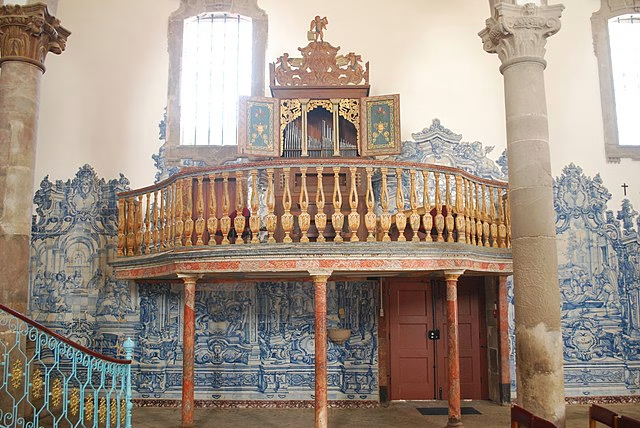
Built between 1541 and 1551 under architect André Pilarte, this Renaissance gem is considered the Algarve’s most elegant example of 16th-century ecclesiastical architecture. The entrance portal features Our Lady of Mercy flanked by Saints Peter and Paul, while the interior’s azulejo tiles depict the Works of Mercy and scenes of Christ’s life. Climb the bell tower for sweeping views of Tavira’s rooftops.

4. Igreja de São José do Hospital (Espírito Santo)

Once part of the Royal Hospital of the Holy Spirit, this church features a rare octagonal nave topped with trompe-l’œil ceiling artwork and carved altarpieces honoring saints of Tavira’s religious orders. Rebuilt after the 1755 quake and completed by 1768, its unique geometry and richly painted interiors make it a standout structure—virtually unmatched in the region.


📍 How to Explore

Begin with Santa Maria at the top of the castle precinct, then walk downhill to Santiago , cross into Misericórdia , and finish at São José do Hospital . Allow 2½–3 hours with time for reflection and photos.


✨ Why It’s Worth It

  • It’s a compact walk through Tavira’s spiritual and architectural evolution .
  • Each church reveals a layer—from medieval knights to Renaissance art, Baroque iconography to unique octagonal architecture.
  • You’ll discover Tavira’s soul in its stones—with historic depth, local devotion, and unexpected beauty.

Cooking with Flor de Sal de Tavira: 5 Simple Local Recipes to Try

If you’ve wandered the salt pans of Tavira—or even just browsed the shelves of local markets—you’ve likely come across those elegant little pouches or jars labeled “Flor de Sal de Tavira.” But what exactly is it? And why do chefs (and grandmothers) treat it like kitchen gold?

Let’s dive into this natural treasure of the Algarve, and discover five simple, local recipes where its magic truly shines.


🧂 What Is Flor de Sal?

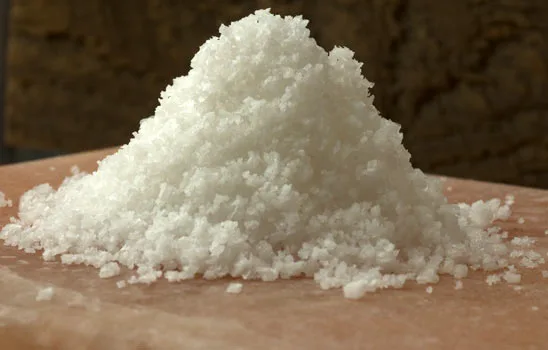
Flor de Sal (literally “flower of salt”) is the delicate crust of salt crystals that forms on the surface of salt pans on hot, dry, windless days. Harvested by hand using traditional wooden rakes , it’s a labour-intensive process requiring just the right weather, timing, and skill.

Tavira’s flor de sal is especially prized because:

  • It’s 100% natural , unwashed and unrefined.
  • Harvested in the Ria Formosa Natural Park , a biodiverse, protected wetland.
  • Recognised under Protected Designation of Origin (PDO) status—meaning it’s as region-specific as Port wine or Parmigiano.

Compared to common table salt or even coarser sea salt:

  • Flor de Sal is flaky, crunchy and melts slowly , giving dishes a finishing sparkle.
  • It contains more trace minerals like magnesium and calcium.
  • It’s never cooked , preserving its subtle marine flavour.

🍅 5 Easy Algarve-Inspired Recipes Using Flor de Sal

1. Algarvian Tomato Salad with Oregano & Onion

Fresh summer tomatoes, red onion slivers, local olive oil, and a generous sprinkle of Flor de Sal . That final crunch? It lifts the entire salad.

🌿 Optional: Add fresh or dried oregano from the Tavira hillsides.


2. Grilled Sardines with Lemon & Salt Crust

After grilling sardines over charcoal (as the locals do), finish with a squeeze of lemon and a scattering of Flor de Sal . It adheres beautifully to the hot skin and enhances the fish’s natural oils.


3. Piri-Piri Chicken Rub

For a quick Algarve-style rub: mix crushed garlic, smoked paprika, olive oil, piri-piri chili, and Flor de Sal . Massage into the chicken and grill. The salt flakes add both texture and flavour during cooking.


4. Olive Oil & Salt Dipping Bowl

Simple but sublime: serve high-quality Portuguese olive oil with a pinch bowl of Flor de Sal for dipping your pão caseiro (rustic bread). A local go-to at tasquinhas and home kitchens alike.


5. Carob Brownies or Chocolate Tart with Salt Finish

Local alfarroba (carob) flour gives deep cocoa notes. Add a pinch of Flor de Sal on top of brownies or tart before baking—or immediately after. The salt balances sweetness and adds a gourmet edge.


📍 Where to Buy It

Look for authentic Flor de Sal de Tavira (PDO) from trusted producers like in Mercado Municipal de Tavira

Pro tip: Flor de Sal makes a perfect edible souvenir—small, authentic, and easy to pack!


👩‍🍳 Taste Tavira Tip

We always keep a small jar of Flor de Sal next to the stove—not for boiling pasta, but for that final flourish. It’s about layering flavour, respecting ingredients, and celebrating the land they come from.


Flor de Sal isn’t just salt. It’s sunlight, sea breeze, and centuries of tradition captured in one bite.

Pego do Inferno: Tavira’s Hidden Waterfall & Its Legend

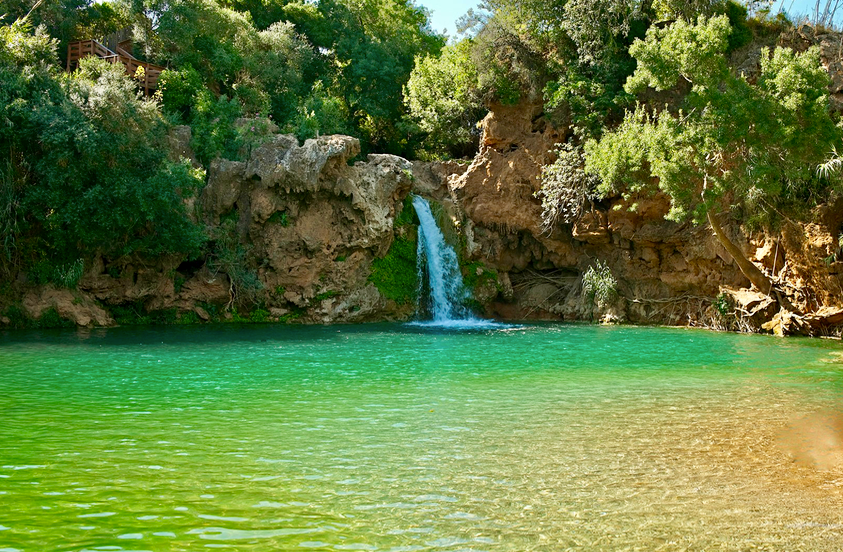
Tucked away in the countryside near Tavira lies a slice of nature legend: Pego do Inferno , or “Hell’s Pool.” Once a popular swimming spot, today it’s more of a secret pilgrimage—quiet, wild, and wrapped in mystery.


🏞️ What is Pego do Inferno?

  • Located on the Asseca stream in Santo Estêvão , just 7–10 km northwest of Tavira , Pego do Inferno consists of a modest 3‑meter waterfall flowing into an olive-green plunge pool, estimated to be around seven meters deep .
  • The falls are part of a trio—including Cascata da Torre and Cascata do Pomarinho —all created by water flowing over calcareous tufa formations along the stream.

🕯️ The Legend Behind the Name

According to local lore, a carriage once plunged into the pool and neither the vehicle nor its passengers were ever recovered . Divers reportedly couldn’t find the lake’s bottom—so it earned the dramatic name, “Hell’s Pool”

Some say hidden underwater passages connect to nearby rivers like the Guadiana or Gilão, though no proof exists beyond storytelling.


🚧 Why It Remains Mostly Closed

  • In 2012 , a forest fire swept through the area, destroying the boardwalk, bridge, stairs, and facilities that once made the waterfall easy and safe to visit. The municipality officially closed the area afterward and never rebuilt the infrastructure.
  • Since then, efforts to reopen the site under safe conditions have stalled due to drought , lack of water flow, private land negotiations , and priority projects funded by the Recovery and Resilience Plan (PRR).

🧭 Visiting Now: What to Expect

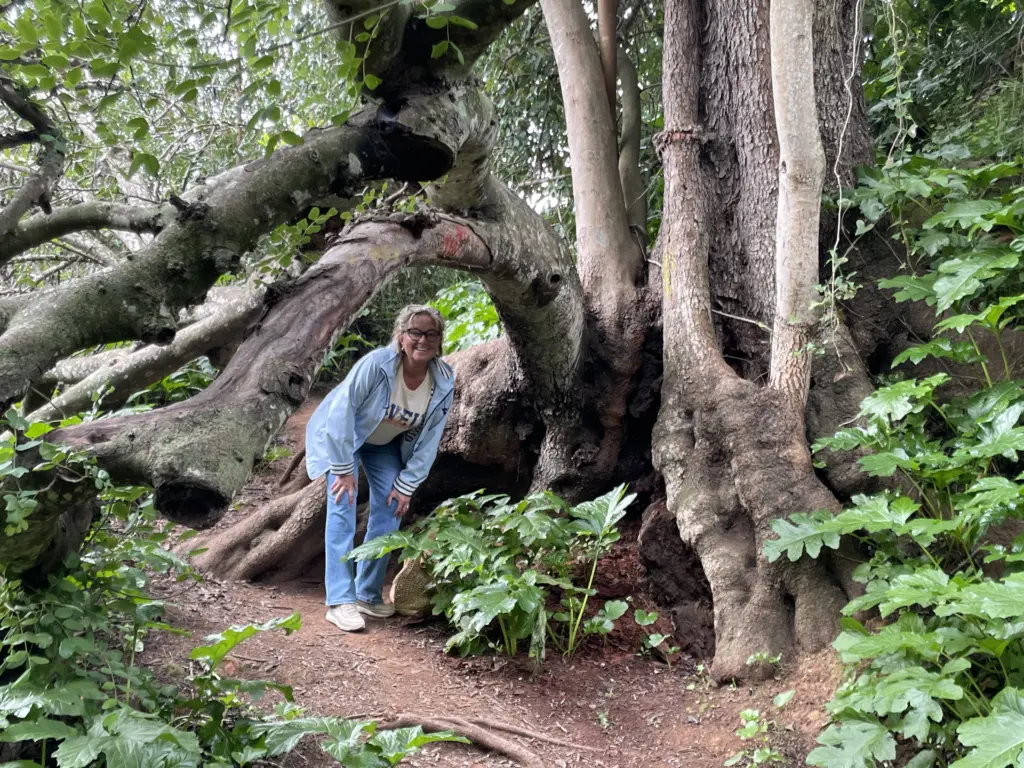
Although officially closed, Pego do Inferno still attracts adventurous locals and holidaymakers who navigate informal paths and dense overgrowth to reach the pool.

Taste Tavira by Annick desribes how to find it.

AllTrails users describe:

  • Overgrown trails through bamboo and citrus groves
  • Stream crossings becoming impossible in winter or bad rain
  • Risky, unclear terrain and degraded trail infrastructure

Tripadvisor reviewers echo concerns:

  • In wet seasons, paths are hazardous
  • In dry seasons, the waterfall may be reduced to a trickle or a stagnant green pool
  • Trash and poor maintenance also worry visitors \.

🗺 Planning Your (Responsible) Visit

If you’re drawn to hidden spots and you’re well-prepared:

TipNotes
Footwear Wear sturdy shoes—trail is uneven and slippery.
Waterflow timing Best after recent rainfall; drought years may leave little to see.
Safety Bring water & snacks, avoid solo visits, and respect “no entry” signs.
Timing Spring and autumn offer the best balance of water and navigable trail.
Access routes Park near Santo Estêvão/Tavira outskirts using GPS and follow local informal directions