Loulé – Inland charm and underground surprises

A day trip by car from Taste Tavira AL to Loulé is a rewarding inland adventure. The scenic drive via Santa Catarina da Fonte do Bispo leads you through rolling hills, cork oak forests, and sleepy hamlets — giving you a sense of the Algarve’s rural heartbeat. Loulé itself is a vibrant market town with Moorish roots and a proud artisan tradition.

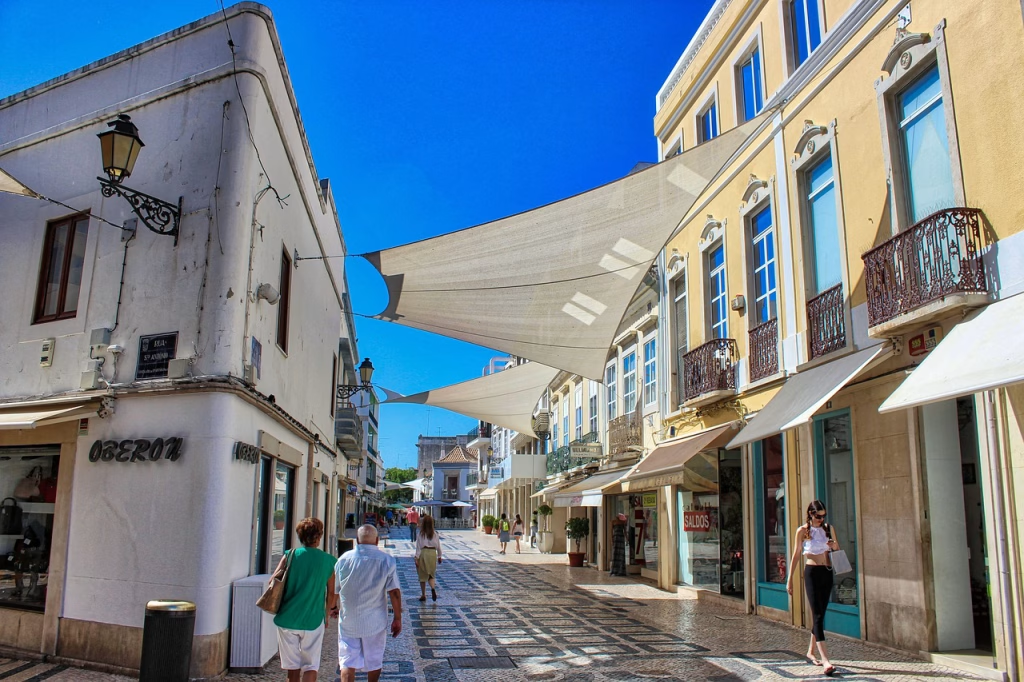
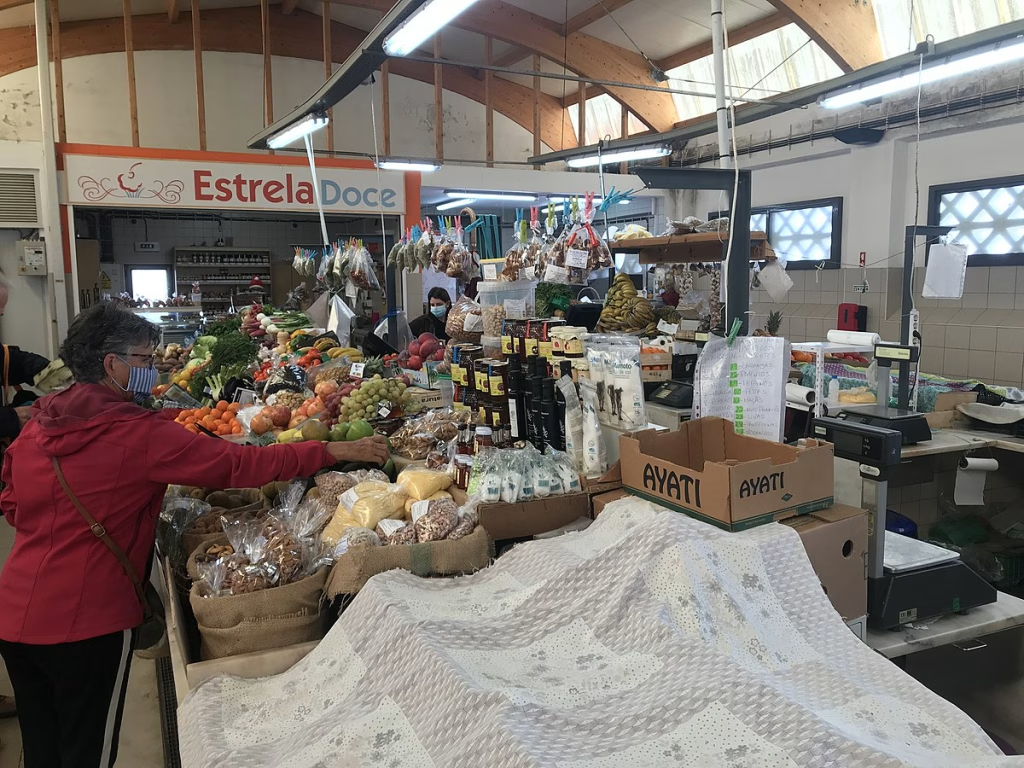
At the heart of Loulé lies its famous covered market , a 19th-century neo-Arabic structure filled with stalls offering fresh produce, seafood, local cheeses, cured meats, and handcrafted goods. Saturdays are particularly lively, when farmers and artisans from nearby villages join in. Wander the charming side streets around the market to discover ceramics shops, small galleries, and traditional cafés.

If you visit in spring or summer, check if the Loulé International Jazz Festival or one of the town’s folklore events is on. The Castle of Loulé , partially restored, offers a glimpse into the town’s long history and provides a peaceful view over the old town rooftops.

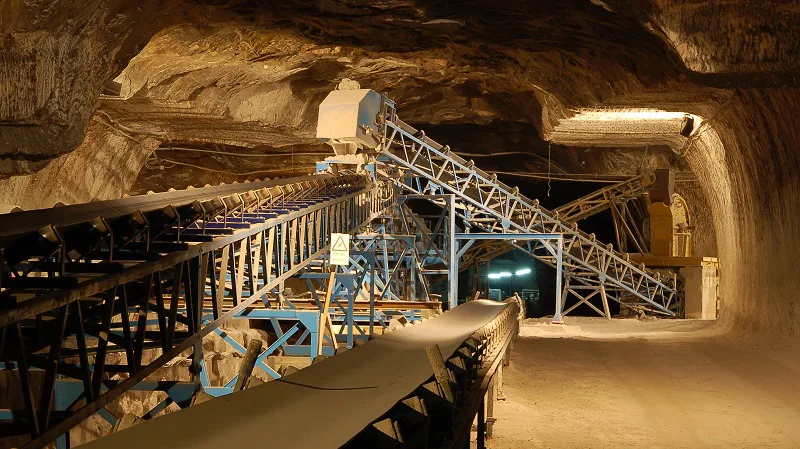
For something truly unexpected, venture 130 meters below ground into the Loulé rock salt mine (Mina de Sal-Gema de Loulé), one of the oldest in Portugal. The underground guided tour leads you through vast tunnels carved from ancient rock salt, while explaining the geology, history, and mining techniques. It’s a fascinating and slightly surreal experience — a cool contrast to the sunlit streets above. Tours must be booked in advance and are available in several languages. See www.loulesaltmine.com for details.

Loulé blends authenticity, creativity, and a touch of the unexpected — and it’s all within an hour’s scenic drive from Tavira.
Faro – History and Hidden Corners in the Capital of the Algarve

Often overlooked in favour of beach towns, Faro is the cultural and administrative heart of the Algarve — and absolutely worth a visit. While its airport may be most travellers’ first glimpse of the region, Faro is far more than a transit point: it’s a city steeped in history, charm, and quiet sophistication .

Best of all, Faro is easily accessible by train from Taste Tavira AL . The charming Tavira train station is just a five-minute walk (400 metres) away. From there, you can enjoy a scenic 40-minute ride through the eastern Algarve’s countryside straight into Faro’s historic centre — relaxed, car-free, and affordable.

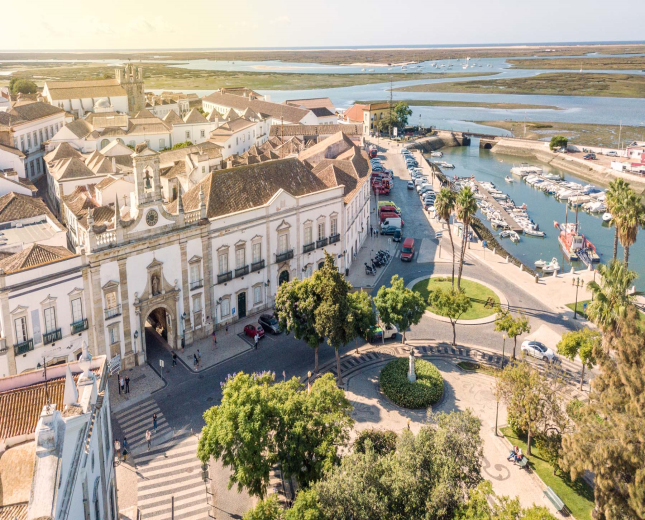
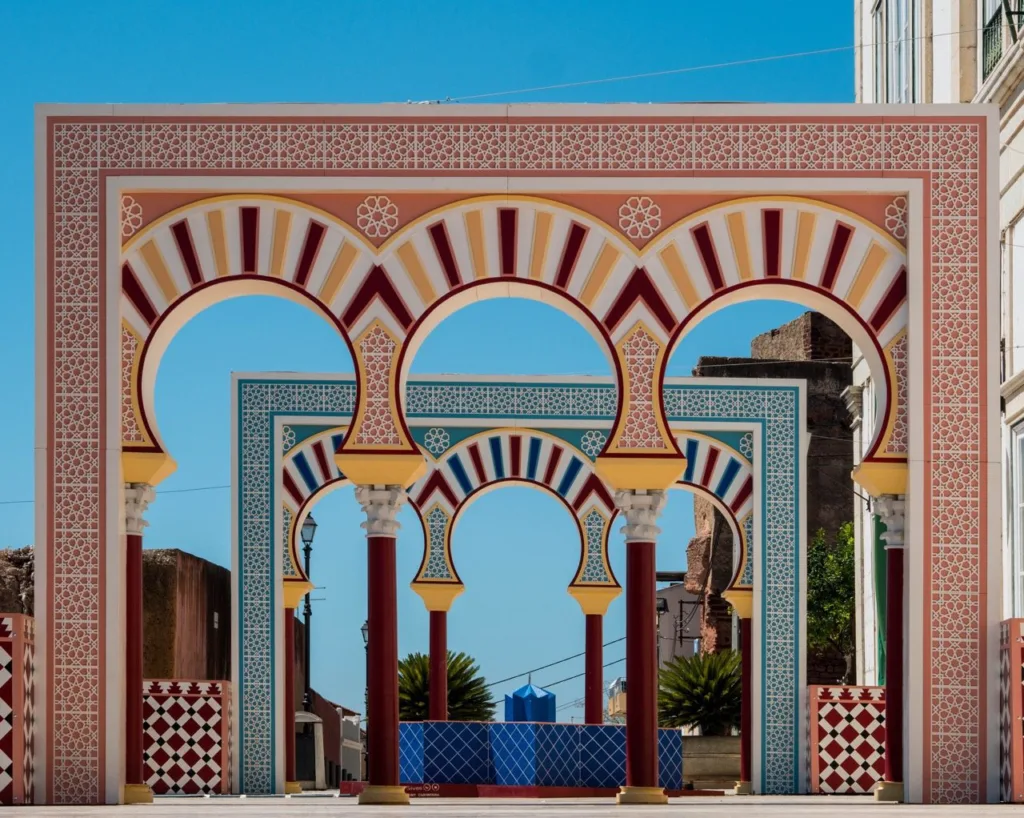
Begin in the Cidade Velha , the old walled town. Enter through the neoclassical Arco da Vila and step into a cobbled world of ancient churches, peaceful squares, and Roman ruins. The cathedral (Sé) , with its mix of Gothic, Renaissance and Baroque features, offers a climbable bell tower with sweeping views over the Ria Formosa lagoon .

Speaking of the lagoon — Faro is also a gateway to nature. The Ria Formosa Natural Park is right on the city’s doorstep, offering boat tours, birdwatching (keep an eye out for flamingos), and a chance to visit island beaches like Ilha Deserta or Ilha do Farol .

Faro has a distinct, low-key elegance, with museums, art galleries , and a lively local dining scene. Don’t miss the haunting Capela dos Ossos (Chapel of Bones) inside the Carmo Church, a striking reminder of the region’s Catholic heritage. For something lighter, grab lunch at one of the many modern bistros or traditional tascas , and enjoy a stroll along the marina before heading back to Tavira.

Village Rhythms: From Santa Luzia to Moncarapacho and Fuseta

Exploring the countryside and coast just west of Tavira offers a deeper look into the authentic lifestyle of the Eastern Algarve. Three distinctive villages — Santa Luzia , Moncarapacho , and Fuseta — each bring their own charm, flavours, and rhythms to the experience.

Santa Luzia , often referred to as the “octopus capital” of Portugal, is a peaceful fishing village right on the edge of the Ria Formosa. Life here moves slowly along the waterfront, where colourful boats bob in the water and restaurants serve up polvo in countless variations. From grilled to stewed or baked in rice, the octopus is the local pride. The village has a friendly, lived-in feel, and it’s also a great starting point for walking or cycling to the nearby beaches of Barril or Terra Estreita — accessible by footbridge or the quirky miniature train.

Inland, at the foot of the hills, lies Moncarapacho — a village with deep agricultural roots and a strong artisanal spirit. Known for its olive groves, local pottery, and traditional fairs, this is where the countryside takes over from the coast. The small but lively centre includes cafés, a museum, and a charming church square. On the first Sunday of each month, the town hosts one of the region’s most colourful markets, drawing locals and visitors for everything from plants to kitchenware — and always local snacks. The pace here is rural and real.

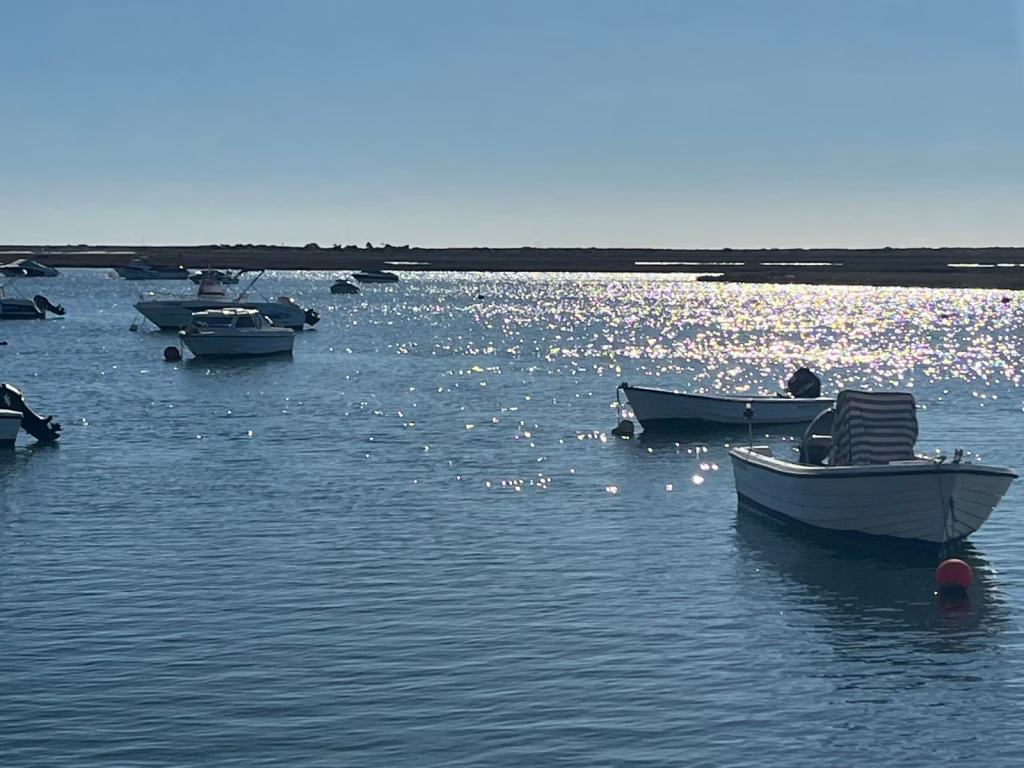
Fuseta , back on the coast, is a working fishing town with a character all its own. More gritty than glossy, it’s full of personality. Fishing boats come and go from the harbour all day long, supplying the town’s many seafood restaurants. The small beach near the promenade is great for families, while boats also run out to the sandbar islands just offshore for quieter, more expansive beach days. A local fish market and regular street life make Fuseta feel like a place that’s not pretending to be anything — just itself, in the best way.

These three villages, so close to Tavira yet so distinct from one another, invite you to slow down, savour the details, and get a feel for the genuine Algarve — one plate of seafood, one quiet square, or one fishing boat at a time.

Sun, Sand & Simplicity: Discover Manta Rota, Altura & Monte Gordo

Just a short drive east from Tavira, the coastal villages of Manta Rota, Altura, and Monte Gordo offer a gentler, more authentic slice of Algarve life. With golden beaches, calm seas, and a relaxed atmosphere, these destinations are perfect for families, cyclists, and those who want to slow down and savour the natural rhythms of the region.

Manta Rota , the closest to Tavira, is a quiet village favoured by Portuguese holidaymakers. Its wide beach is backed by low dunes and borders the eastern edge of the Ria Formosa Natural Park, making it a peaceful spot to swim, birdwatch, or enjoy grilled fish at one of the beachfront eateries. The sunsets here are glorious, especially after a day of cycling or walking along the nearby nature trails.

Just a few minutes east lies Altura , a charming and laid-back seaside town with a modest village centre, pine forests, and long sandy beaches. Altura’s beach is wide, clean, and easily accessible, ideal for families with small children or anyone seeking a restful day by the sea. The vibe is easygoing, with casual cafés and local restaurants dotted along the coastal strip.

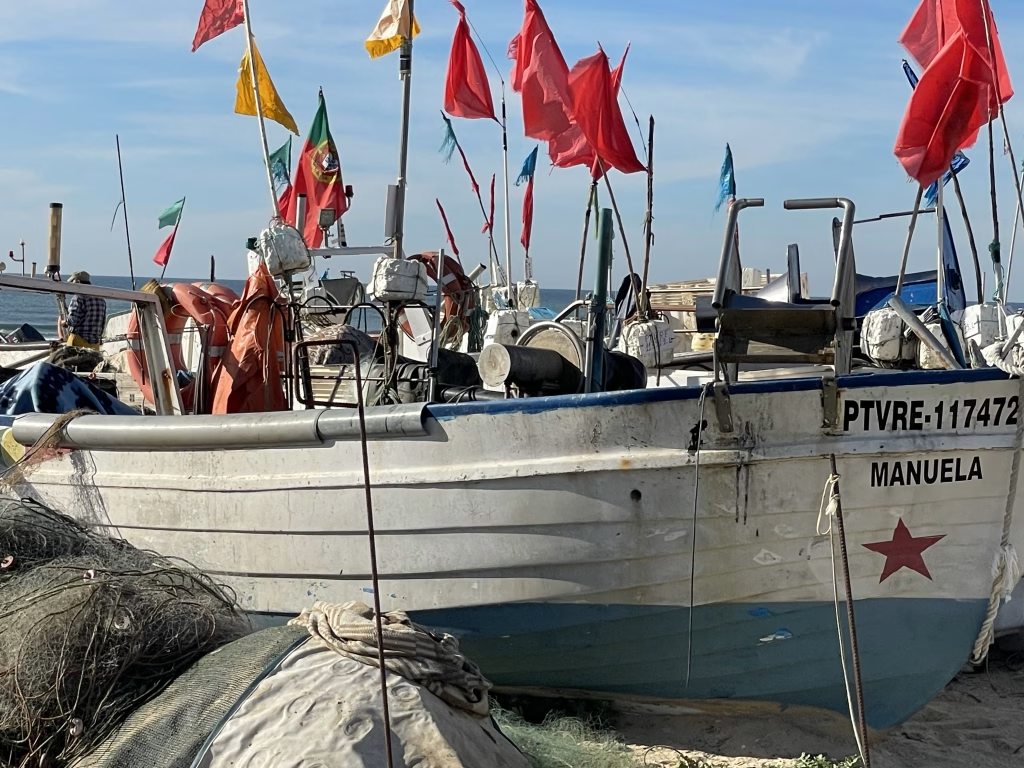
Further along the coast, Monte Gordo blends beach life with a lively, local spirit. Once a small fishing village, it’s now a low-key resort town with a broad promenade, palm trees, and a blend of visitors—many from across the Spanish border. Despite its growth, Monte Gordo still preserves its maritime soul through the Associação de Pesca Artesanal de Monte Gordo . Each morning, traditional arte xávega boats are pulled onto the beach by tractors, nets full of the day’s fresh catch. It’s a rare and wonderful sight: artisanal fishing as it has been done for generations.

Together, these three villages create a stretch of coast that feels genuine, spacious, and welcoming. Whether you’re cycling from beach to beach, enjoying a quiet seafood lunch, or watching fishermen at work, Manta Rota, Altura, and Monte Gordo reveal the Algarve’s eastern shore at its most grounded and golden.